
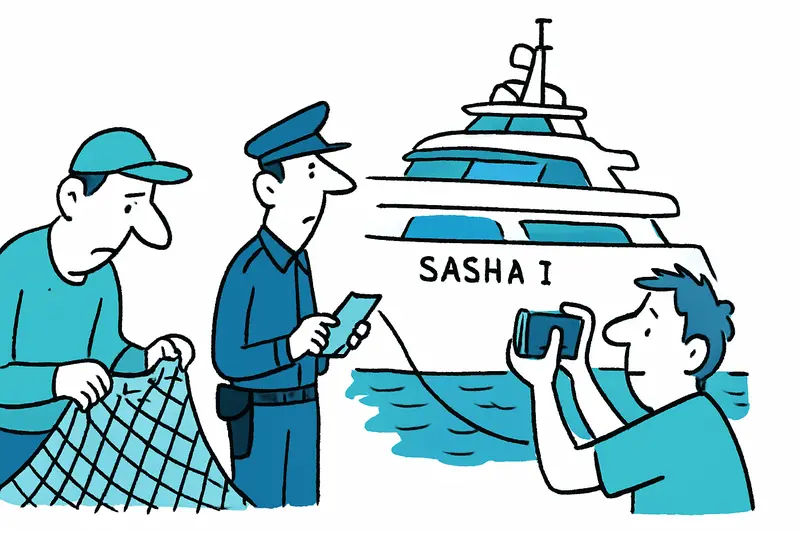
Why the yacht "Sasha I" remains in Palma — a reality check
Cross-border yacht ownership disputes and sanctions: who decides?
Explore how EU courts determine ownership in cross-border yacht cases with sanctions, focusing on evidence and economic reality.
Answer
Who decides ownership of a yacht when cross-border disputes and sanctions are involved?
More questions on this topic
Related follow-up questions from the same article, collected in one place.
Why does the yacht in Palma stay moored even though ownership decisions are still pending?
Because sanctions and ongoing legal decisions keep the vessel in port until ownership is decided.
What is daily life like around Palma harbor when a yacht dispute dominates the scene?
Harbor life goes on; the yacht is part of the scenery and conversations in Palma.
What counts as proof of ownership in international yacht disputes?
Real, verifiable evidence of ownership, not just foreign documents, is required.
How could EU-wide rules help speed up resolving yacht ownership disputes?
EU-wide transparency, verification standards, secured upkeep, and better cooperation could speed things up.
How are private ownership rights weighed against sanctions in these cases?
Ownership claims must reflect real economic control, while sanctions can override or restrict assets.
What misconceptions surround cases like Sasha I in Mallorca?
It’s about proving actual ownership and costs, not sensational arrests.
If I’m visiting Palma, how should I view the Sasha I at the harbor?
Treat it as part of Palma’s harbor life and focus on the atmosphere rather than the legal claim.
Similar notes
Discover more interesting content

Can Cap de Bou

Townhouse Lleo 72
