
Who Shapes Mallorca's Streets? A Reality Check on Island Demographics
Why Mallorca’s Streets Sound More Multilingual
Mallorca’s population is becoming more international, changing daily life, language use and the feel of local streets.
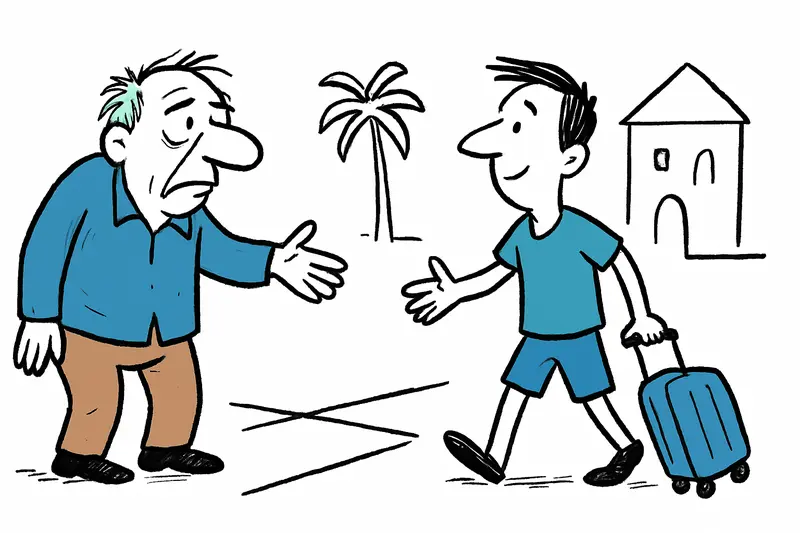
Answer
Why do the streets of Mallorca sound more multilingual these days?
More questions on this topic
Related follow-up questions from the same article, collected in one place.
Is Mallorca still a place where most residents were born locally?
A little over half of Balearic residents were born in the region, and the share is shrinking.
What is driving population change in Mallorca?
Low birth rates, immigration and high housing costs are reshaping Mallorca’s population.
Why is housing such a big issue for families and workers in Mallorca?
High rents and limited affordable housing are pushing many residents to the edge.
What does the demographic shift mean for everyday life in Palma?
Palma is becoming more international in daily life, with both cultural variety and new pressures.
Which parts of Mallorca still have a strongly local-born population?
Some inland villages still have a much higher locally born share than the island’s urban areas.
Why are language, schools and childcare becoming part of the Mallorca population debate?
Language support, schools and childcare are central to making demographic change manageable.
Can Mallorca manage its population growth without losing its local character?
Mallorca can adapt, but only if housing, integration and family support improve.
Similar notes
Discover more interesting content

Can Cap de Bou

Townhouse Lleo 72
