
Sabotage Handbook: How Mallorca Stands Between Protest and Criminalization
Government’s Role in De-escalating Mallorca’s Protests
Explains how Mallorca's regional government aims to reduce escalation while safeguarding civic participation.
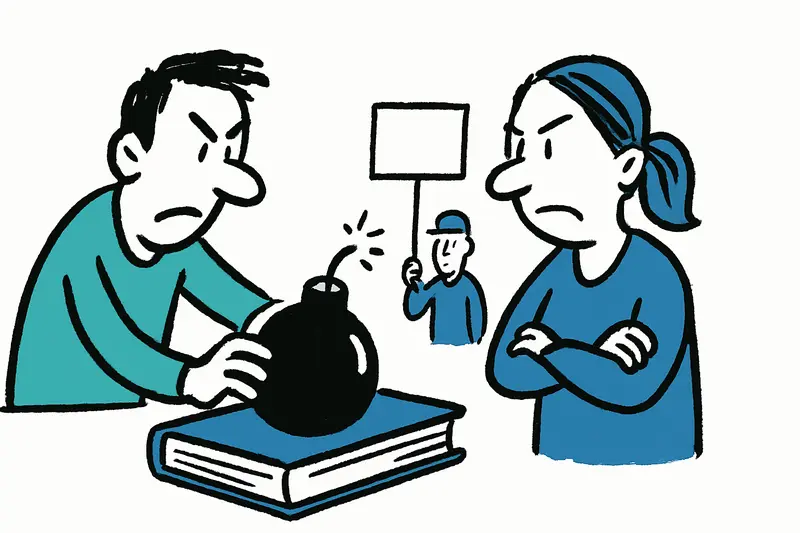
Answer
What role does Mallorca's regional government play in de-escalating protests and preventing criminalization?
More questions on this topic
Related follow-up questions from the same article, collected in one place.
What is the core issue behind Mallorca's debate on protest and criminal law?
It's about where peaceful protest ends and criminal penalties begin, and safeguarding democratic debate in Mallorca.
What safeguards are proposed to separate legitimate protest from criminal incitement in Mallorca?
Clear definitions, independent review, local forums, and prevention measures help keep protest within lawful bounds.
How can residents in Mallorca participate in decisions affecting housing, tourism, and work conditions?
Mallorca would use formal, inclusive forums where residents’ concerns are heard and acted on.
What risks arise if protest is punished too harshly in Mallorca?
Deterrence of valid protest, collateral impacts on researchers, and enforcement challenges.
How would a binding round table work in Mallorca’s larger towns?
Public, recorded round tables with local stakeholders would deliver binding recommendations.
What does the Passeig Mallorca scene reveal about life, work, and tourism on the island?
It highlights how life, work, and tourism collide on Mallorca and why balanced responses matter.
Where should revenue from tourism levies go to ease tensions in Mallorca?
Direct funds into housing, infrastructure, and jobs.
Similar notes
Discover more interesting content

Boat Tour with BBQ along Es Trenc Beach

Private transfer from Mallorca Airport (PMI) to Pollensa
