
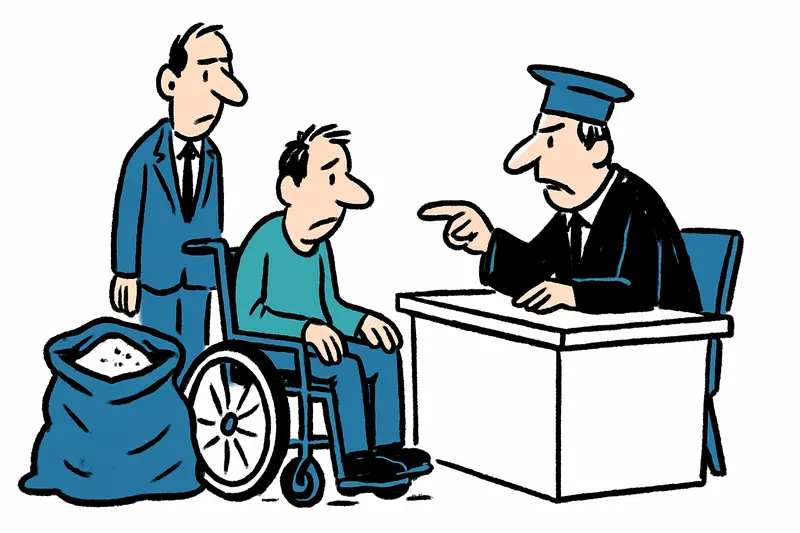
Trial in Palma: Cocaine in Wheelchairs — a Reality Check for Island Controls
What the Palma Trial Suggests About Customs Controls in Mallorca
The wheelchair cocaine case in Palma highlights possible gaps in Mallorca’s customs controls and the need for better coordination.
Answer
What does this Palma trial say about customs checks in Mallorca?
More questions on this topic
Related follow-up questions from the same article, collected in one place.
Why is the Palma cocaine case in wheelchairs raising concern in Mallorca?
It points to possible gaps in transport and customs controls in Mallorca.
How do drug smugglers hide cocaine in everyday objects like wheelchairs?
By using hidden cavities in an object people are unlikely to suspect.
Could used medical equipment be a security risk in Mallorca?
Used medical equipment can become a smuggling channel if controls are too weak.
What happens in a cocaine trafficking trial in Palma?
The court will examine evidence linking the accused to the import and handling of drugs.
How can Mallorca improve checks on parcels and small freight shipments?
By focusing more on parcel flows, couriers and risk-based inspections.
What can care homes and second-hand shops in Mallorca do to spot suspicious wheelchairs?
They should look for unusual alterations and missing paperwork.
Is a cocaine case in Palma a sign that Mallorca is unsafe?
It does not mean Mallorca is unsafe, but it does show why controls matter.
Similar notes
Discover more interesting content

Can Cap de Bou

Townhouse Lleo 72
