
Cave near Llucmajor: What the Discovery Reveals—and What Remains Unresolved
Why Context Matters as Much as the Objects
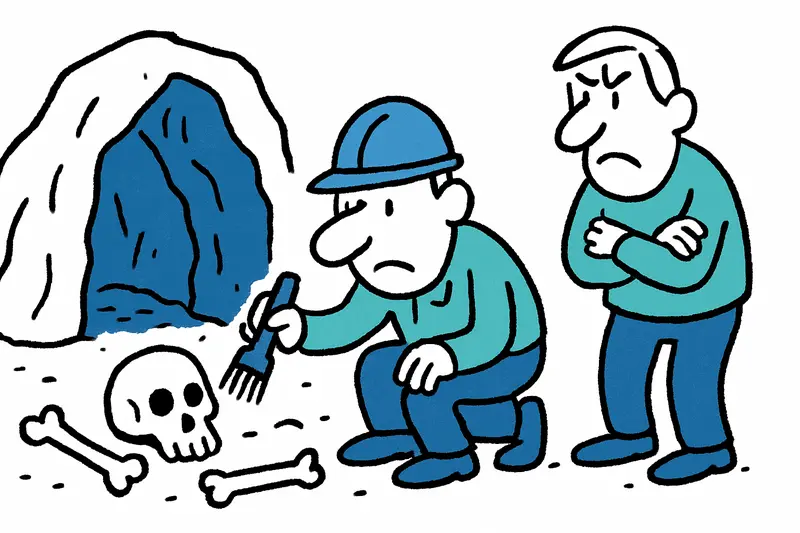
Protecting find locations helps preserve the evidence researchers need to understand Mallorca's archaeological sites.
Answer
Why does protecting the location of archaeological finds matter in Mallorca?
More questions on this topic
Related follow-up questions from the same article, collected in one place.
What has been found at Cova de Son Fosquet near Llucmajor?
The cave holds human remains, pottery and bones of the extinct Myotragus balearicus.
What periods of Mallorca's history are represented by the finds at Cova de Son Fosquet?
The evidence points to use from prehistoric times through the 13th century.
What was Myotragus balearicus, and why is it significant to Mallorca?
Myotragus balearicus was an extinct animal that lived in Mallorca before human settlement.
Is Cova de Son Fosquet near Llucmajor definitely a Bronze Age burial site?
A Bronze Age burial is possible, but it has not been confirmed.
How large is the cave discovered near Llucmajor?
The cave is 124 metres long and reaches 14 metres below ground.
Can visitors explore Cova de Son Fosquet in Mallorca?
Public access has not been confirmed, and the cave needs controlled access.
How do archaeologists work out the age of cave finds in Mallorca?
Detailed analysis of the finds and their context helps establish their age and associations.
Similar notes
Discover more interesting content

Can Cap de Bou

Townhouse Lleo 72
