
Who Owns Palma's Old Town? The Sale of Rialto Living and What's Missing Now
Why a Famous Old-Town Sale Matters to Residents in Mallorca
A sale can change more than ownership in Palma; residents fear losing local use, variety and neighborhood identity.
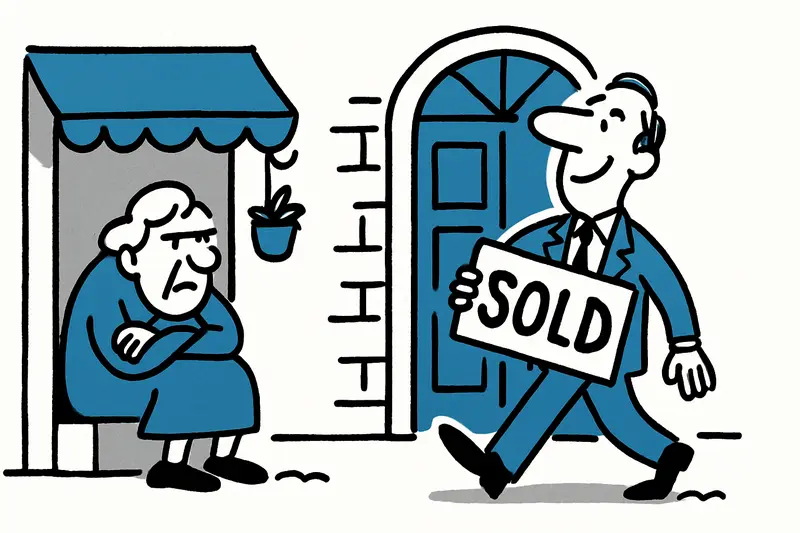
Answer
Why do residents in Mallorca worry when a well-known old-town space changes hands?
More questions on this topic
Related follow-up questions from the same article, collected in one place.
Why are historic shops in Palma's old town changing ownership so often?
Historic spaces in Palma are increasingly being bought as investments, which can change who they serve.
What happens to a historic shop in Mallorca when a new investor buys it?
The building may be preserved, but the use and audience of the space can still change.
Can you still buy local, everyday things in Palma's old town?
Some local shops remain, but everyday shopping is becoming less central in parts of the old town.
What is missing from the debate about ownership in Palma's old town?
The missing topics are transparency, use rules and who really benefits from historic sales.
How can Palma protect historic buildings without pushing out local life?
Clear rules, transparency and use conditions can help keep historic buildings useful for locals.
Is Palma's old town still a place to live, or mostly a visitor area now?
Yes, but rising tourism and investment are making everyday residential life harder to maintain.
What can the city do when a landmark property in Palma is sold?
Palma can use rules, transparency and public funds to protect the public value of key properties.
Similar notes
Discover more interesting content

Can Cap de Bou

Townhouse Lleo 72
