
Fatal accident on the MA-5013 near Sant Jordi: Why does the stretch remain dangerous?
In a head-on collision on the MA-5013, a 28-year-old driver died. The question remains: Is it the road, the mix of vehicles, or missing safety measures?
Fatal accident on the MA-5013 near Sant Jordi: A morning that leaves many questions
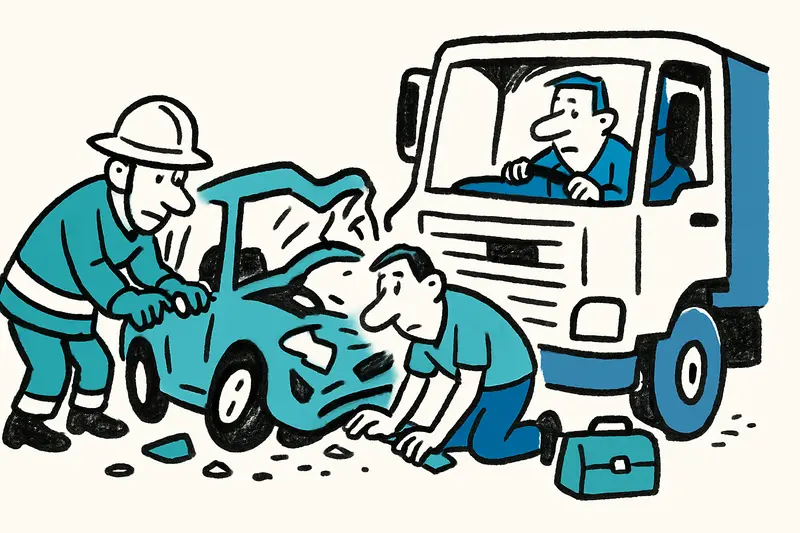
The early morning on the Carrer Principal smelled of warm bread from the bakery and diesel — until blue lights and police tape tore through the familiar calm. At around 6:40 a.m., a car and an oncoming truck collided head-on on the MA-5013. The young car driver died at the scene, and the truck driver had to be freed from the cab with hydraulic equipment and was taken to hospital with serious injuries. Neighbours are in shock; children went to school while the Guardia Civil secured evidence. Local coverage of similar incidents can be found in Fatality in Rear-end Collision on Ma-5013: Could the Crash Have Been Prevented?.
The key question: Why do such accidents happen here?
People in Sant Jordi and others who know the route are asking this. Is it the narrow road layout, the sharp bends, excessive speed, the mix of private and heavy traffic, or simply reduced visibility at certain times when headlights meet the orange lights of the airport and cause confusion? The MA-5013 is not an ordinary stretch: commuters, tourist buses, delivery vans, agricultural machinery and heavy trucks all meet in a confined space here. Concerns about head-on collisions on Mallorca roads have been highlighted before in Fatal head-on crash on the PM-401: Why does the road remain dangerous?.
What is often overlooked: structure instead of blame
When tragedy strikes, people look for causes and those responsible. But beyond individual errors there are structural problems that are often underexposed in public debate. Many country roads in Mallorca developed historically. They were never planned for today's mixed traffic. This leads to abrupt speed changes, tight overtaking opportunities and visibility problems in bends.
There are also passive safety deficits: too few or too narrow guardrails, faded lane markings, missing rumble strips and lighting that dazzles more than it helps at dusk. Asphalt quality and drainage also play a role: after rain, sections become slippery without clear warnings.
Further, rarely discussed factors
Time of day makes a difference. Early morning hours often mean fatigue, fewer witnesses and drivers under time pressure. There is also a lack of reliable data: where exactly do risky overtaking maneuvers occur? How often do cars swerve to avoid oncoming traffic? Without targeted measurements much remains speculative.
The time window for delivery traffic and airport supplies is also relevant. If heavy traffic coincides with rush hour, risks increase. Finally, staff shortages for controls and irregular road inspections exacerbate the problem.
Concrete measures: short-, medium- and long-term
Investigations by the Guardia Civil must clarify whether alcohol, distraction or technical defects played a role, as reporting on other cases shows Serious Head-On Crash in Paguera: Why Does the MA-1 Remain So Dangerous?. Regardless of the accident's cause, the following steps make sense:
Short-term: mobile speed checks at known danger points, more conspicuous signage, reflective posts and refreshed lane markings. Improved, targeted lighting in bends and temporary warning signs can immediately improve visibility at dusk.
Medium-term: rumble strips, reinforced guardrails at the most dangerous sections and targeted widenings where overtaking regularly causes problems. Checking whether heavy trucks can be rerouted at certain times would reduce conflicts with cars. Regular vegetation maintenance to secure sightlines is also necessary.
Long-term: discussions about alternative access routes to the airport and a more attractive public transport offer so commuters rely less on cars. Stricter checks of truck maintenance and driving/rest times could reduce fatigue accidents. Finally, systematic data collection — accident hotspots, times of day, vehicle types — would form the basis for targeted investments.
Rescue and neighbourhood: more than just reaction
Firefighters, SAMU-061 and police worked hand in hand yesterday, despite the chilly morning air and the commotion. But rapid rescue is not enough. Prevention must start locally: clear emergency access routes, coordinated closure plans for the airport to avoid chaos and several-kilometre traffic jams, and better coordination between emergency services are necessary.
Neighbours have drawn closer. One woman said: "Something like this doesn't leave you untouched." For those bereaved, sympathy is only a beginning; they demand answers and measures so that another roadside place does not become a warning.
An appeal to politics and administration
It's not about finding scapegoats but about effective prevention. In Mallorca, where short distances can seem deceptively safe, visible practical measures could help quickly. Trial measures, transparent measurements and a prioritisation of danger spots would be a realistic start. People here want to safely get to the bakery in the morning and return home intact in the evening — that requires more than candles on the night of the accident. It requires planning, enforcement and the political will to act.
Frequently asked questions
Why is the MA-5013 near Sant Jordi considered dangerous?
What makes early-morning driving in Mallorca more risky on rural roads?
What road factors often contribute to head-on crashes in Mallorca?
What safety improvements could reduce accidents on the MA-5013?
Does weather affect driving safety on Mallorca country roads?
Why do heavy trucks make roads like the MA-5013 more dangerous?
What should drivers watch out for near Sant Jordi on Mallorca roads?
Why are Mallorca’s older roads still a safety issue today?
Similar News
First Day, First Consequences: What Palma's Rent Freeze Really Means
A new decree stops a planned eviction in Palma — but what really changes for tenants and landlords? A reality check with...
When Housing Becomes a Matter of Survival: Mallorca Between Rental Frenzy and Everyday Life
The case of 87-year-old Maricarmen showed that on Mallorca many people's lives are poised between affordable and uninhab...
Autumn in Mallorca: When Melancholy Gets a Window
Why autumn quietly tightens here — and how to make use of the mood: walks, culture, candles and the light from Palma to ...
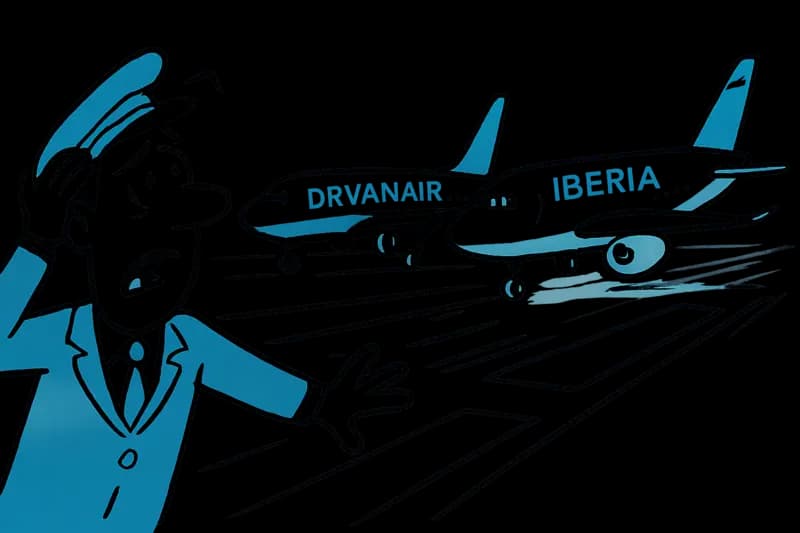
Near-miss on Lanzarote: Landing Ryanair Jet and Iberia Takeoff — what really went wrong
On Lanzarote there was a dangerous incident: A Ryanair flight (FR5910) from Dublin landed on runway 03 while an Iberia E...
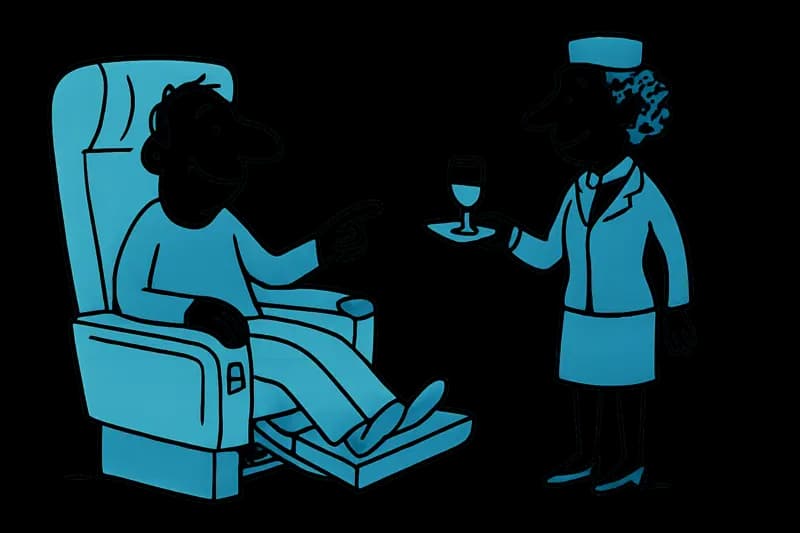
Eurowings introduces new Premium Business seats on Mallorca routes
From December 1, selected Eurowings flights to Palma and other destinations will feature eight particularly generous sea...
More to explore
Discover more interesting content

Can Cap de Bou

Townhouse Lleo 72
