
Fatal head-on crash on the PM-401: Why does the road remain dangerous?
In the night two vehicles collided head-on on the PM-401 near kilometre 7. Two people died and several were injured, some critically. Why do such accidents keep happening on this stretch — and what needs to change?
Fatal head-on crash on the PM-401: Two dead, many questions
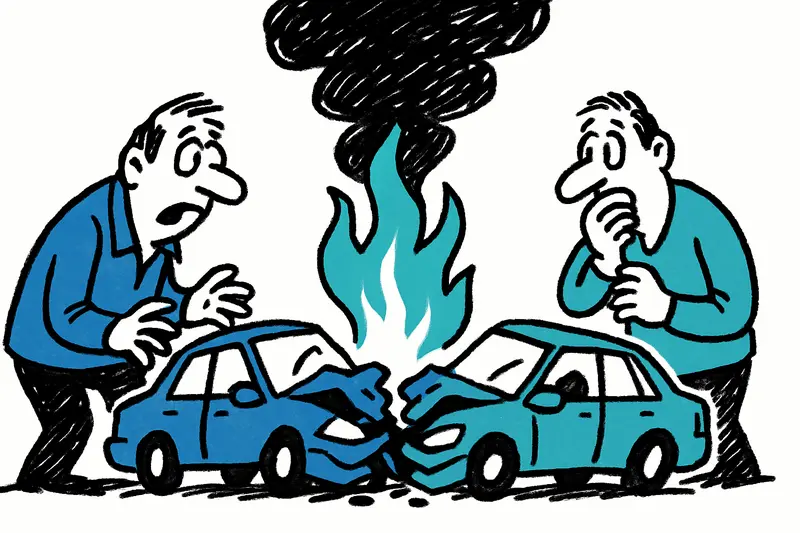
Around 1:20 a.m. on a rainy night: two vehicles collided head-on on the country road between Porto Cristo and Manacor. At the side of the PM-401, near kilometre marker 7, flowers and burning candles were later gathered. Two people died at the scene, and several others were injured — some critically. The Guardia Civil closed the road, and forensic teams collected debris and brake marks. The central question remains: why is this stretch so prone to such tragedies?
What witnesses describe — and what remains unclear
Residents speak of a loud impact, then flames and acrid smoke. A taxi driver who happened to pass by remembers flashing hazard lights in the rain and a slippery road: "All you could hear were screams and the crackling of the car." Firefighters extinguished the blaze wearing breathing apparatus, and rescue teams tended to the injured with blankets and oxygen masks. How the head-on collision occurred is still unclear: overtaking maneuvers, aquaplaning, distraction or fatigue are all possibilities under consideration.
PM-401: a road with nighttime traffic and problems
The PM-401 between Porto Cristo and Manacor is not a small side road. It is used by locals, hotel staff, taxi drivers and delivery drivers — especially late at night and in the early mornings after shift changes. The combination of winding topography, limited lighting and wet road surface makes it vulnerable. Locals have reported for years about excessive speed at this exact spot; on rainy nights the already narrow carriageway quickly becomes a slip road. Related reporting on dangerous stretches includes Fatal accident on the MA-5013 near Sant Jordi: Why does the stretch remain dangerous? and Serious accident near Porto Cristo: Head-on collision on the Ma-4010 – several tourists injured.
Key question: driver errors — or a systemic failure?
The immediate cause will be determined by the Guardia Civil investigation. But the key question should go further: is this a series of individual mistakes — or does the accident reveal structural gaps in traffic planning, enforcement and prevention? Too often the discussion afterwards focuses only on isolated cases. Less attention is paid to road infrastructure, licensing practices for night driving, staffing rules in the tourism sector and the frequency of mobile speed controls.
Often overlooked aspects — and why they matter
1) Shift work and fatigue: hotels and delivery services operate round the clock. Drivers who are tired behind the wheel are particularly at risk at night. 2) Infrastructure deficiencies: missing center markings, inadequate guardrails and poor drainage increase the risk in rain. 3) Enforcement and prevention: mobile speed cameras or increased night patrols by the Guardia Civil are often absent where they are most needed, as discussed after the Serious Head-On Crash in Paguera: Why Does the MA-1 Remain So Dangerous?. 4) Emergency response: the time until rescue teams arrive decides between life and death; response times and the accessibility of rural sections are critical factors.
Concrete proposals — what could help quickly
Some measures can be implemented relatively quickly and would significantly reduce the danger: speed reductions on critical sections of the PM-401 during nighttime hours, installation of mobile or fixed speed cameras near kilometre 7, highly visible reflective road markings and additional guardrails at particularly winding spots. Rumble strips before blind curves could warn inattentive drivers. At the municipal level, the town council and hotel industry should discuss shift schedules and rest periods to avoid extreme fatigue among night drivers.
Longer-term tasks: planning, lighting, emergency concepts
In the long term, funding is needed for better road drainage, intelligent curve-oriented design and road lighting at particularly dangerous sections. A concept for faster medical first response — for example through local first-responder teams or shortened deployment routes for ambulances — can save lives. Information campaigns targeting taxi drivers, delivery services and seasonal staff would also be useful: short refresher courses on night driving and the dangers of wet roads can have an impact.
The community mourns — and demands answers
There is shock in Porto Cristo and Manacor. The mayor's office and emergency pastoral care are involved, and helpers are supporting relatives. Neighbours report a feeling of powerlessness. Authorities are asking witnesses to come forward: every small observation — a licence plate, a brief braking sound, an overtaking vehicle — can help clarify the circumstances.
Conclusion: The nighttime head-on collision on the PM-401 is more than a tragic isolated incident. It exposes weaknesses: from road design to night traffic to prevention and enforcement policies. If Porto Cristo and Manacor want lasting change, it is now necessary not only to investigate, but also to act.
If you saw anything: please contact the Guardia Civil or the local police station. Any observation can shed light on this tragic event.
Frequently asked questions
Why is the PM-401 between Porto Cristo and Manacor considered dangerous at night?
What should drivers do in Mallorca when roads are wet and visibility is poor?
Can aquaplaning happen on Mallorca country roads?
What makes night driving in Mallorca more dangerous for hotel and delivery workers?
What happened on the PM-401 near kilometre marker 7?
Why do local residents in Porto Cristo and Manacor complain about the PM-401?
What road safety measures could help on dangerous Mallorca roads like the PM-401?
Who should witnesses contact after a serious crash on a Mallorca road?
Similar News
First Day, First Consequences: What Palma's Rent Freeze Really Means
A new decree stops a planned eviction in Palma — but what really changes for tenants and landlords? A reality check with...
When Housing Becomes a Matter of Survival: Mallorca Between Rental Frenzy and Everyday Life
The case of 87-year-old Maricarmen showed that on Mallorca many people's lives are poised between affordable and uninhab...
Autumn in Mallorca: When Melancholy Gets a Window
Why autumn quietly tightens here — and how to make use of the mood: walks, culture, candles and the light from Palma to ...
Near-miss on Lanzarote: Landing Ryanair Jet and Iberia Takeoff — what really went wrong
On Lanzarote there was a dangerous incident: A Ryanair flight (FR5910) from Dublin landed on runway 03 while an Iberia E...
Eurowings introduces new Premium Business seats on Mallorca routes
From December 1, selected Eurowings flights to Palma and other destinations will feature eight particularly generous sea...
More to explore
Discover more interesting content

Can Cap de Bou

Townhouse Lleo 72
