
Final end for Germanwings: What this really means for Mallorca
Final end for Germanwings: What this really means for Mallorca
Lufthansa has relinquished the Air Operator Certificate of Germanwings, a brand that was once present on Mallorca. Why the formal end is more than an entry in a corporate balance sheet — and what the island might actually feel as a result.
Final end for Germanwings: What this really means for Mallorca
Key question
What changes for Mallorca when a once-visible airline brand formally disappears from the aviation map — and which gaps remain in the public discourse?
In short
The Lufthansa Group has given up the Air Operator Certificate (AOC) of Germanwings. The last remaining aircraft of the brand, an Airbus A319 with registration D-AKNU, was withdrawn from the fleet and transferred in October to St Athan (Wales), where aircraft are dismantled and recycled. This current end mainly affects the legal shell: Germanwings had remained as a legal entity after the end of scheduled operations, occasionally with use of its callsign. That possibility now ceases to exist.
Critical analysis
At first glance this is a bureaucratic act within a large corporation. At second glance, however, it has effects that are felt locally, much like the regional disruptions documented when Kassel-Calden winds down — what it means for Mallorca. On Mallorca the consequences are encountered not only at airports: when boarding at Palma airport for years one hears callsigns and sees tickets with different brands that actually belong to the same corporate group. For passengers such details are often confusing. For employees, the surrender of an AOC means that previous personnel and training structures must be orderly reorganised. According to statements from the group, many of the affected pilots found follow-up positions. Whether that applies to everyone remains an open question.
What is missing from the public discourse
There is a lot of talk about brands and aircraft, but little about three concrete points: First, transparency towards passengers — which airline is actually behind a flight, and which guarantees apply? Second, the consequences for ground staff and training capacities on Mallorca — were training places, simulator access or maintenance contracts redistributed? Third, the management of flight designators and slot rights at Palma Airport. These topics are usually handled only in specialist circles, yet they affect passengers and service staff on site. Public debate around network changes and capacity shifts, such as reported in More Flights from BER: Eurowings Expands Capacity to Mallorca — A Win for the Island, shows how impactful such adjustments can be.
Everyday scene from the island
On a cool morning in Palma, on the Passeig Mallorca, taxi drivers sit with thermos flasks and swap anecdotes about "hidden" flight operators. On the bus to the airport ramp holidaymakers discuss why the imprint on their ticket names a different airline than the aircraft they board, a confusion that also followed reports when Condor says 'farewell' to Leipzig — what Mallorca makes of it. On the apron service vehicles squeak, and an older chief technician takes notes as he parks a maintenance truck — he knows the names of the aircraft, but not always the brand shells behind them.
Concrete solutions
1) Airports and tourism stakeholders should routinely provide clear information: a small sign at the gate with the operating airline, the callsign and a note when a flight is a codeshare. 2) Airport operators and the authorities responsible for safety should examine whether transitional arrangements for staff and local service providers can be improved when AOCs change hands — for example through mandatory information obligations. 3) For passengers: more visible notices at check-in and on boarding passes so travellers know which airline actually operates the flight and who the contact point is in case of problems.
Conclusion
The formal end of Germanwings is not a turning point for Mallorca, but it is an occasion to take a closer look. It's not just about a logo on the fuselage, but about transparency, employment and the organisational small things that shape everyday life at the airport. Those who arrive in Palma in the morning hear the radio callsigns, see different brands and realise: aviation is ultimately a web of legal facades and very real local work. It would be worthwhile to make these intermediate steps more visible in future — for travellers, for employees and for the island that lives from air traffic.
Frequently asked questions
What does the end of Germanwings mean for flights to Mallorca?
How can I tell which airline is really operating my Mallorca flight?
Why does an airline brand disappearing matter for Mallorca airport staff?
What should passengers in Mallorca check when their flight has a different airline name on it?
Does the end of Germanwings change anything at Palma airport?
Are codeshare flights to Mallorca more confusing for passengers?
What happens to an airline aircraft after it is taken out of service?
Why is transparency about airline ownership important for Mallorca travellers?
Similar News
Injured captain, big plans: Germania Mallorca before the away match in Consell
The newly founded FC Germania Mallorca travels to Consell on Saturday. Captain Bastian Müller is out injured, but coach ...
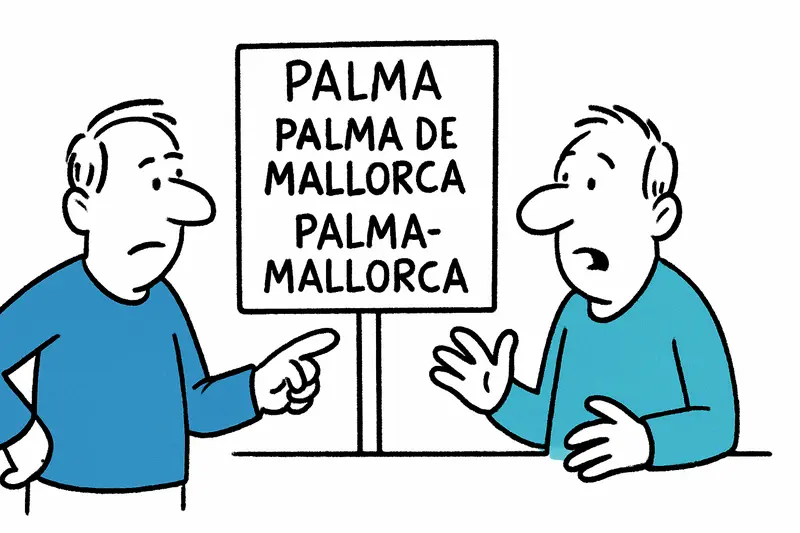
Palma, Palma de Mallorca, Palma‑Mallorca: What is it really about?
The debate over the city's name is more than grammar: it concerns identity, law and branding policy. A sober reality che...

Warning to Bathers: Nipping Fish in Cala Major and Other Coves — a Reality Check
In Cala Major and several beaches around Mallorca, bathers report painful “nips”. Who are the animals, why are they gett...

Rental Car Theft in El Arenal: What This Incident Reveals About Our Gaps
A teenager steals a running rental car in El Arenal, flees on foot, climbs over walls and is caught by the Guardia Civil...

Red Rope in Palma's Library: What Helps Against Selfie Tourism — and What's Missing
Palma's city library cordoned off an area with a red rope to keep selfie tourism away from reading and working activitie...
More to explore
Discover more interesting content

Can Cap de Bou

Townhouse Lleo 72
