
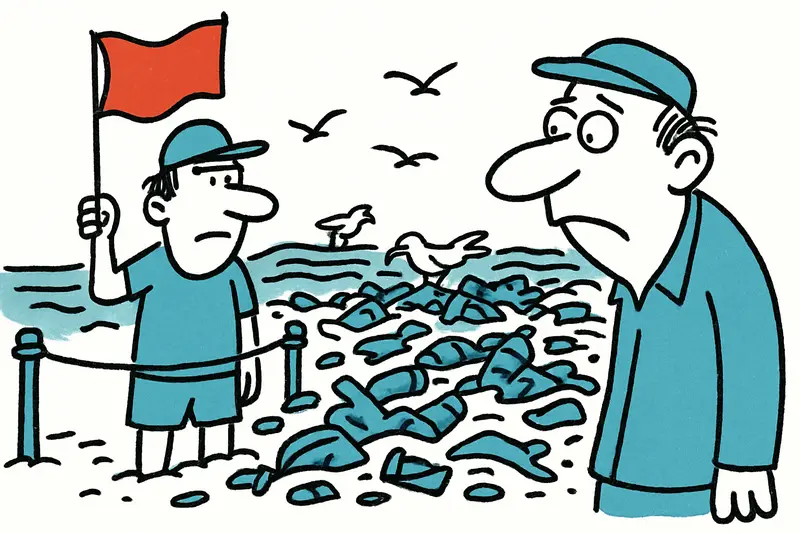
Garbage avalanche after flash flood: S'Arenal section closed — who pays the price?
After heavy rainfall the Torrent Jueus washed tons of household waste and plastic in front of S'Arenal. A beach section was closed — and with it the question of prevention, responsibilities and longer-term solutions.
Trash in the water, red flags on the promenade — S'Arenal looks wounded
Early on Thursday morning lifeguards stood with red flags at the cordoned-off beach, seagulls circled like at a bad buffet, and the wind carried not only salty air but also the pungent smell of washed-up rubbish. After two days of heavy rain the Torrent Jueus washed large amounts of household waste, plastic and pieces of beach furniture directly in front of S'Arenal into the sea, as documented in a report on the storm that dumped rubbish in front of S'Arenal. The municipality of Llucmajor reacted and closed the affected section: the hygienic situation was unacceptable for bathers.
Main question: Will we prevent such garbage avalanches in the future — or will we always just clean up afterwards?
The scene on the Paseo yesterday morning was a cross of excavators, sweepers and workers with shovels, a question explored in a story on who really cleans the promenade at El Arenal. Containers were filled, the clinking of metal mixed with the groan of the machines. Such images are striking in the short term but alarming in the long term: how many more times must we watch floods of rain not only flood streets but also beaches — with what people have carelessly discarded?
Why it looks worse in some places than in others
Sometimes a few meters are enough and the world changes. On the Palma side of the torrent swimming remained permitted, while a few steps away the bathing beach was closed. This shows how locally very different the consequences of flash floods can be: currents, gravel banks and the position of outlets determine where trash and sediments accumulate. For residents these are not just numbers — they are lost mornings by the sea and walks suddenly interrupted by barrier tape and warning signs.
Who is affected — and who has to act?
The affected stretch of coast is not one of the luxurious hotel promenades. Older buildings, simpler hotels and many young guests shape the picture. The municipality reacted at short notice, but responsibility does not end with beach cleaning: it is the municipal infrastructures along the tributaries, the drainage systems, but also people's attitudes that determine how much crap — forgive the image — we find on the shore after a storm.
What the authorities are doing now — and what is missing
The reopening of the bathing area depends on water tests: bacteria levels and potential pollutants must be checked, in line with European bathing water quality standards and testing. That is important, but it takes "a few days", the town hall says. In the short term excavators and containers help; in the medium term technical and organisational measures are needed: retention basins at torrent outlets, permanently installed screens and grates, better trash barriers upstream and regular cleaning along the tributaries. And yes: more bins and stricter controls against illegal dumping would also help.
A few proposals that are not just on paper
Short term: Mobile catchment nets before the mouth, additional cleaning teams in the first 48 hours, clear information signs for tourists and locals.
Medium term: Planning for retention basins and screens in the torrents, annual maintenance cycles for drainage infrastructure, a small monitoring network with simple sensors to provide early warning of increased pollution input.
Long term: Educational campaigns in schools and for visitors — and: sanctions for illegal dumping combined with simple, easily accessible collection points. All of this costs money, but the alternative is repeatedly closed beaches, visitor losses and a damaged image of the coast.
An appeal from everyday life
The authorities ask people not to throw rubbish into torrents and to report danger spots. That sounds banal — and it is — and precisely for that reason urgent. When you stand on the Paseo, smell the seaweed and decay, and see seagulls pecking among plastic bags, you realise: this is not a natural event that alone is to blame. It is also the result of how we handle resources and waste.
The closure may protect in the short term — it should wake us up for the long term. Llucmajor, the islanders and the many visitors: who will not only clear up, but prevent it from happening in the first place?
Frequently asked questions
Why was the beach in S'Arenal closed after the flash flood?
Can you still swim in Mallorca after heavy rain and flash floods?
What happens to Mallorca beaches after a flash flood?
When is it safe to go back to the beach in S'Arenal?
What causes rubbish to end up on the beach in S'Arenal?
What is Llucmajor doing to clean up the S'Arenal beach after the storm?
How can Mallorca reduce flooding and rubbish problems at beach outlets?
What should visitors do if they see flooded or dirty bathing water in Mallorca?
Similar News
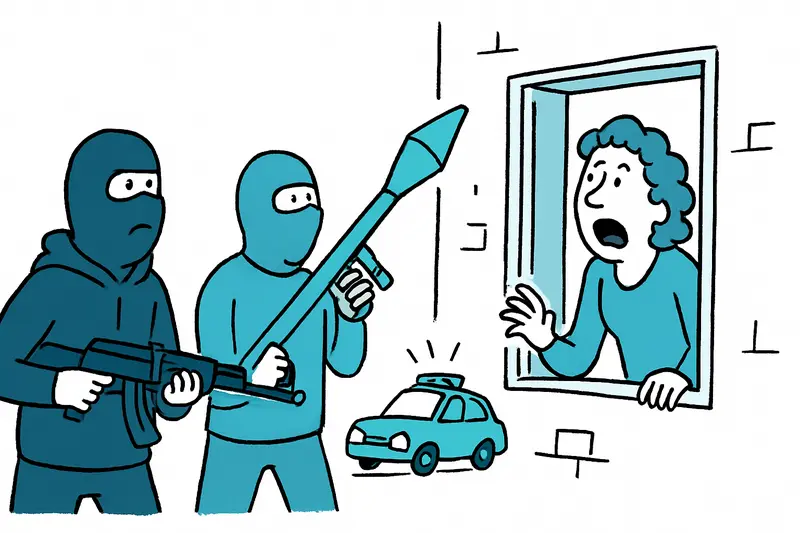
Masked Images, Real Panic: When Social Media Aesthetics Alarm Neighbors
Five German content creators filmed on a recently vacated detention site using deceptively realistic props. The result: ...
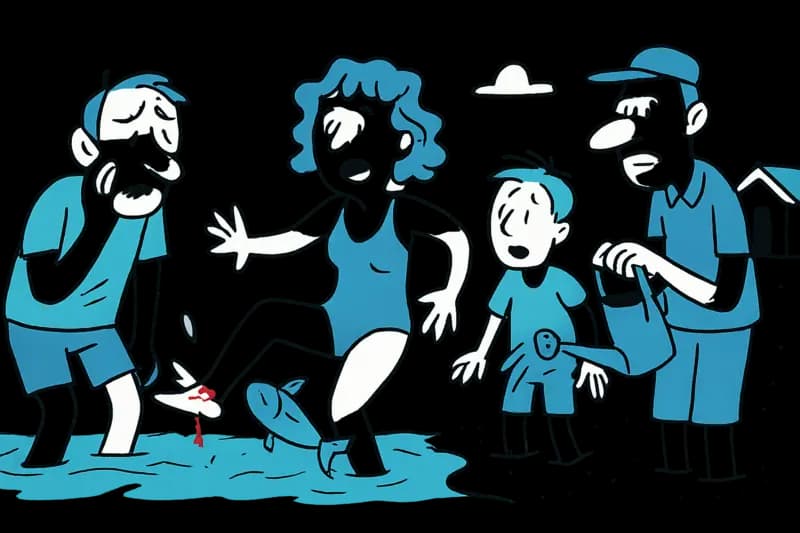
Why the Striped Breams in Cala Pí Should Be a Wake-up Call
Once again bathers in Cala Pí were surrounded while swimming by small, nippy fish — some wounds bled. Time for clear rul...

Daily from New York: How Palma's Air Traffic Is Growing — and What Must Change
United will increase the Newark–Palma service to daily flights in 2027 (Boeing, 231 seats). Strong tourist numbers clash...

When Love Ends in Shards: Destruction in Son Vida and the Questions That Remain
In Son Vida a relationship dispute escalated: a woman destroyed furniture in a luxury villa, later pressed a panic butto...

Who Bears the Burden? Mallorca Between Tenant Protection and Landlord Fears
Madrid's new housing decrees strengthen tenant rights — but on Mallorca concern is growing: will the law drive small lan...
More to explore
Discover more interesting content

Can Cap de Bou

Townhouse Lleo 72
