
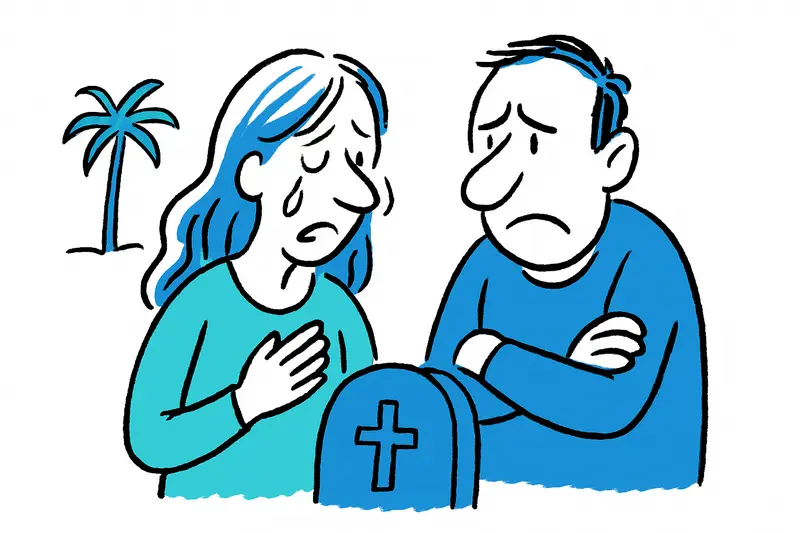
Died at 33: Kim's Loss and the Question of How Mallorca Can Better Help
Kim Flint died at 33 from a rare cancer. Her open journey raises urgent questions: how can island medicine, communities and prevention be better connected on Mallorca?
Suddenly, too soon: a familiar voice falls silent
The morning after the weekend, news spread across the island like a small storm: Kim Flint died at 33 from the consequences of a rare adrenal carcinoma. The family wrote that she 'fell asleep peacefully'. For many here who knew her from images on the Paseo Marítimo, from jogging routes along the sea and from bright café terraces, this is more than just a report. The seagulls still circle, the waves keep rolling, and a voice you thought you knew is suddenly gone. Local coverage included Falleció a los 33 años: por qué la pérdida de Kim nos interpela a todos.
A life between hospital corridors and sea views
Kim made public what often remains behind closed doors: therapy recordings, infusions, hospital corridors — and between them sunrises at the beach, saltwater on the skin, the espresso after a run. Her account was a bridge between pain and zest for life. Those who followed her saw the balancing act: medical uncertainty, trips for specialist treatment, and the everyday attempts to preserve normality.
The central question that goes beyond grief
The island mourns — candles on the beach, quiet posts in expat groups, photos with hashtags. But alongside the remembering stands an urgent question: what needs to change so that people with rare forms of cancer do not have to navigate a system alone, one that is often not designed for such cases? Kim's death is not only a personal loss; it poses a challenge to us as a community to identify and close gaps. Local reporting on recent tragedies includes Death on Lombok: Mourning in Mallorca — and Many Unanswered Questions.
What is often missing in public debate
Looking at Kim's path reveals several less-noticed aspects: first, the information gap about rare tumors — many patients and relatives do not know where to find reliable information. Second, the double burden for expats: treatment on the island is possible, but specialized therapies are often on the mainland or abroad. The result is travel, meticulous appointment planning and cultural hurdles. Third: psychosocial care. The shock of a diagnosis runs deep — and counseling, grief support or interpreters are not always available or affordable.
Concrete steps — what Mallorca can do now
From Kim's openness, practical ideas can be drawn that are realistic for our island:
1. Regular information evenings: Clinics, municipalities and self-help groups could offer monthly meetings — in plain language, with doctors, nurses and those affected. On the Paseo, in community centers or libraries: a place where questions have room, without medical jargon.
2. Patient navigators and checklists: A fixed contact person in hospital administration who coordinates referrals, appointments and travel details. Checklists for expats with required documents, insurance notes and contact addresses would remove a lot of organizational stress.
3. Embed telemedicine: Regular teleconsultations between island physicians and specialized centers on the mainland or internationally, with fixed time slots and translation options — this saves time otherwise lost to transport and waiting rooms.
4. Expand psychosocial services: Low-cost counseling centers in German and English, volunteer programs for transport services, interpreters and companions for appointments. Often practical services — a taxi to a CT scan, help filling out forms — are what ease everyday life.
5. Awareness without alarmism: Small local campaigns at markets, beach entrances and pharmacies that inform about symptoms of rare tumors and encourage preventive check-ups. Not with panic, but with concrete guidance: when to see a doctor, where to find information, who helps with referrals.
Why Mallorca's community can make the difference
The island has a practical advantage: people know each other, neighborhoods are quickly networked. This showed in recent days in local Facebook groups, in spontaneous beach gatherings and in the willingness to offer help. That energy can be channeled: patient companions, volunteer driving services, translation networks. Small, well-organized structures are often enough to alleviate great burdens. This community response has also been visible in coverage such as Mallorca en duelo: artista muere durante actuación en Alemania.
It is easy to get sentimental — the image of Kim jogging along the Passeig, the sound of the surf, the smell of saltwater and espresso. But alongside the remembering we should ask how future families can be better supported through such times. Kim's openness could be the spark that sets things in motion.
Our thoughts are with her husband and the family. Rest in peace, Kim.
Frequently asked questions
What support is available in Mallorca for people with rare cancer diagnoses?
How can expats in Mallorca navigate cancer treatment more easily?
What kind of psychosocial support is available for cancer patients in Mallorca?
When should you seek medical advice for unusual symptoms in Mallorca?
What can Mallorca clinics do better for patients with rare diseases?
Can patients in Mallorca get specialist cancer treatment outside the island?
How can local communities in Mallorca help people facing serious illness?
What are the best places in Mallorca for quiet walks or gentle exercise during recovery?
Similar News
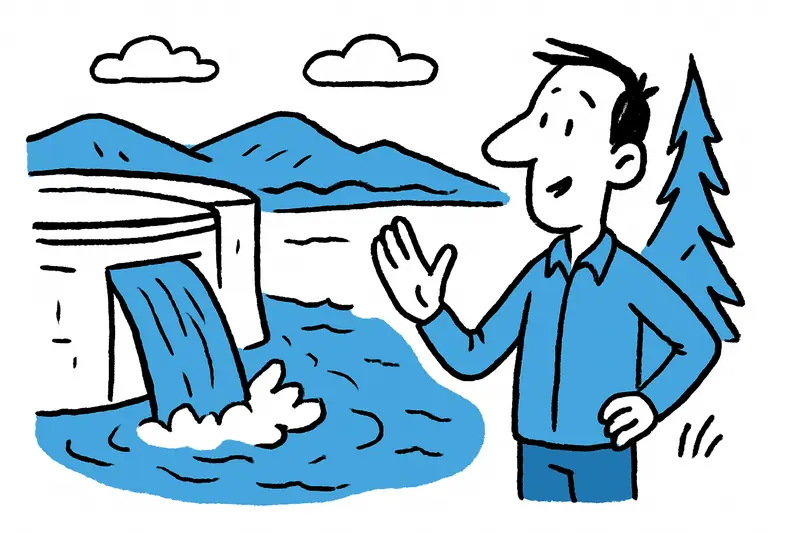
More water than last year: Mallorca's reservoirs breathe easier
September rain refilled the Tramuntana's reserves: overall fill around 35 percent, Cúber at 40.42 percent, Gorg Blau at ...
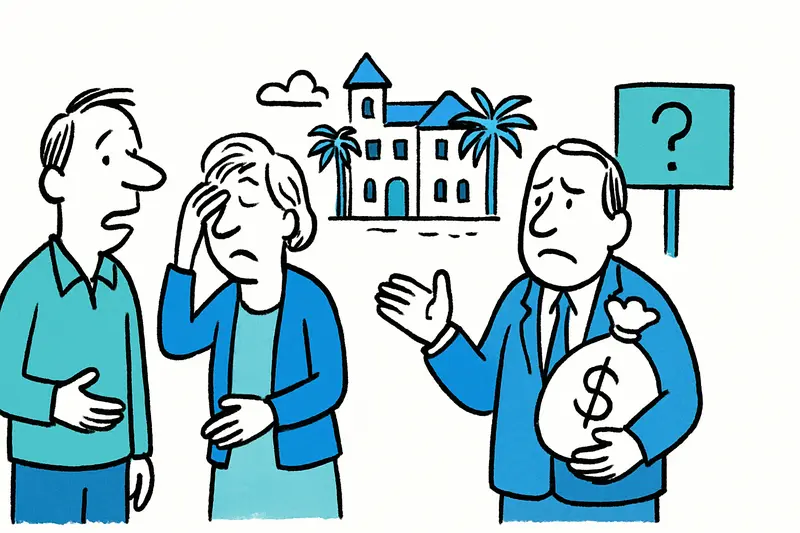
Three Luxury Hotels in Banyalbufar: Lots of Money, Many Questions
A Danish investor plans three exclusive accommodations in Banyalbufar — including the historic Son Valentí. The announce...
2.1 tonnes of cocaine on sailing yacht off Spain's coast – a reality check for the coastguard
A 14-metre yacht was seized with 2.1 tonnes of cocaine. Who monitors the ports, how does the international hunt succeed ...
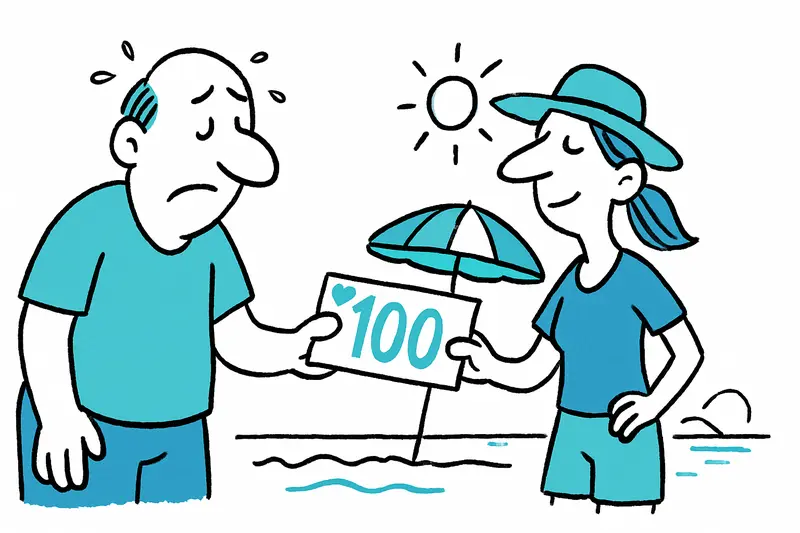
Heat Bonus in Mallorca: 100 Euros Extra for Outdoor Staff at MarSenses
MarSenses pays employees who worked outdoors in August an extra €100 as recognition. Lighter uniforms, reduced hours for...
Renovating in Mallorca: What You Really Can Do Without Neighbour Consent
Many think they can do whatever they want in their apartment. That's partly true — but only as long as structural elemen...
More to explore
Discover more interesting content

Can Cap de Bou

Townhouse Lleo 72
