
When the Golf Swing Aches: Help from Palma for Back, Knee and Shoulder
When the Golf Swing Aches: Help from Palma for Back, Knee and Shoulder
Many people head to the tees in Mallorca – but a sharp pain can end the round. An orthopedic clinic in Palma combines diagnostics and regenerative therapies so golfers can stay pain-free longer.
When the Golf Swing Aches: Help from Palma for Back, Knee and Shoulder
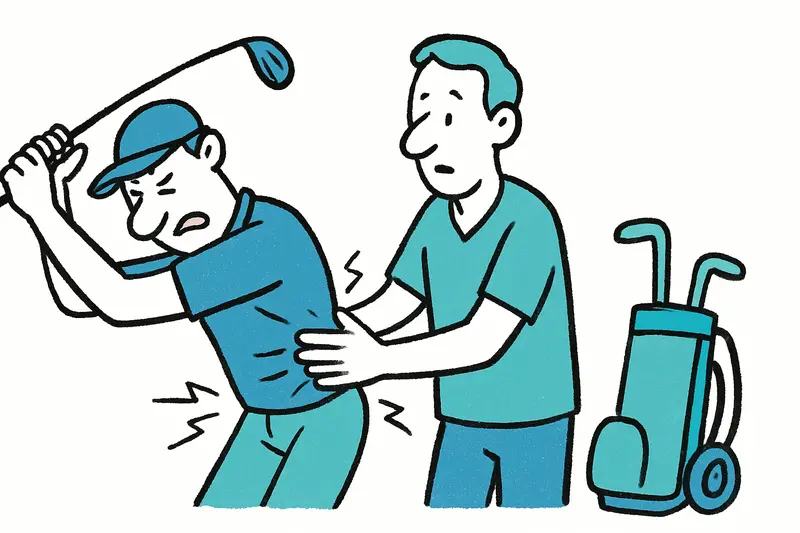
Early in the morning the trolleys roll over still-damp grass, cicadas sing near the pines and the first golfers drive down Avinguda Mèxic toward the club – Mallorca lives to the rhythm of tees and fairways. If you feel a pulling pain in the back, a twinge in the knee or a sharp pain in the shoulder, you should not wait for the next round but take action.
Why golf places such strain
The golf swing combines rotation, flexion and power generation in a single kinetic chain. That combination particularly stresses the junction of the lumbar spine and sacrum; the mid thoracic spine, shoulders and knees are also often involved. Many complaints creep in gradually: you feel them first in the evening, and movement is stiffer the next morning. In Mallorca, high temperatures and longer rounds add to the strain – dehydration amplifies muscle symptoms.
What is offered locally
In Palma there are now clinics specialized in sports orthopedics that specifically try to avoid surgery; a recent report on the German Specialist Center opening on the Paseo Marítimo illustrates this trend. A clinic in the Nou Llevant district relies on a combination of modern diagnostics (on-site direct X-ray, DEXA scan for bone density and a 4D measurement system for posture and movement analysis) and regenerative therapies that have been used for more than ten years. The goal: address causes instead of only numbing symptoms.
The treatment toolbox includes PRP/ACP autologous blood injections, ultrasound-guided placement of regenerative substances, collagen-based injections, shockwave therapy, manual therapy, the SpineMed traction system for disc problems, and complementary TENS applications for pain relief. According to the clinic, the success rate of their own regenerative method is over 90 percent. This approach is part of the broader trend in beauty and medical tourism in Mallorca.
When to see a doctor?
If you are no longer pain-free after a round and symptoms persist or recur for several weeks, you should obtain an orthopedic assessment. A careful medical history with attention to technique, training volume and pre-existing conditions often reveals where the weak spot is. Early action increases the chances of returning to the rhythm without surgery.
Prevention – simple rules for the round
Many problems can be eased with a few measures: five to ten minutes of easy walking to warm up, targeted mobilization for the spine, shoulders and hips, regular core training and technique work at local studios such as Mallorca Mindful Movement in Can Pastilla. Drinking on our courses is not a luxury; electrolyte drinks or bars help during long rounds in the midday heat. Those with previous injuries benefit from specific strengthening and adapted swing technique.
An offer for frequent players
The mentioned clinic in Palma is deliberately patient-friendly: short waiting times, last-minute appointments, open all day on Saturdays and a morning clinic on Sundays – practical when pain occurs between two rounds. There is parking in front of the door, which is a real advantage for people with back or joint problems. Contact details and further information can be found on the clinic website and by phone.
If you don't want to give up the game, listen to your body and react in time. A few minutes of prevention, a targeted examination and, if necessary, regenerative treatment can make everyday life easier again – allowing Mallorca golfers to continue enjoying early tees and late evening rounds.
Clinic address: Avinguda Mèxic 15, 07007 Palma. Phone: 971 68 43 45. Web: traumatologo-palma.es. Opening hours: open all day Saturdays, Sundays 9–12.
Frequently asked questions
What’s the best time of year to visit Mallorca for warm weather and beach days?
Is the sea in Mallorca comfortable for swimming, and are there safe beaches?
What should I pack for a Mallorca trip?
What are good base towns in Mallorca for exploring the island?
What outdoor activities are popular in Mallorca?
What makes Sóller or its surroundings worth a visit?
Are there cultural events or markets to catch in Mallorca?
What should I know about driving or getting around Mallorca?
Similar News

Long Weekend in Mallorca: Sun Returns, Sunday Nearly Summery
After several rainy days, Aemet brings relief: isolated showers on Friday, then milder, sunnier weather — Sunday up to n...
Ketamine, rTMS and Short-Term Intensive Therapy: A Critical Look at the Dr. Scheib Concept
A new treatment package combines ketamine-assisted psychotherapy, rTMS and neurofeedback in a two-week intensive phase. ...

Finally Rain on Mallorca: Lluc and Llucmajor Lead — and Why It's Good for the Island
Heavy rain hit the Tramuntana hinterland around Lluc on Wednesday. Figures, everyday impressions and a pragmatic outlook...
Who wanted to kill Dr. Aslani? The open questions after the attack in Marbella
A 57-year-old German cosmetic surgeon was shot dead in his clinic in Marbella. Investigators are examining a possible co...

Prison Pilgrim Flees on Return: How Safe Are Prison Outings?
After a supervised pilgrimage to Santiago, an inmate ran off along the Carretera de Sóller and was recaptured near the o...
More to explore
Discover more interesting content

Can Cap de Bou

Townhouse Lleo 72
