
Heat shock on the quay: Swiss tourist collapses in Andratx after hike
After a hike from Sant Elm, a Swiss tourist collapsed at the Club Náutico de Andratx. The incident raises questions about heat prevention, first aid and the information available to visitors.
Heat shock on the quay: Swiss tourist collapses in Andratx after hike
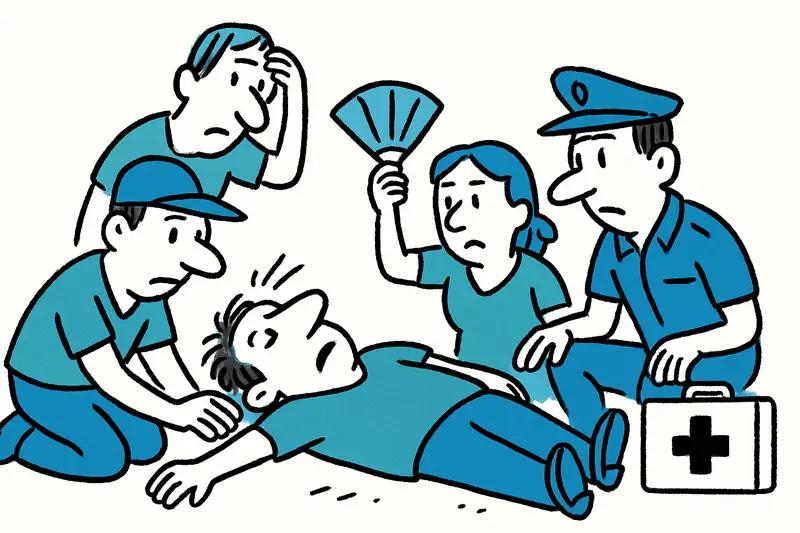
On Monday afternoon the usually tranquil quay of Andratx briefly turned into a place of frantic concern: around 3 p.m. a tourist sank to the ground shortly after returning from the mountain path with his family, as reported by Golpe de calor en Andratx: suizo se desmaya tras una caminata. You could hear the screeching of seagulls, the soft clatter of boat lines and, in the distance, the sirens of an ambulance — and amid it all the voices of people trying to help.
What happened — and what was noticeable on site
Witnesses report that the family had returned from a hike toward Sant Elm when the man suddenly collapsed. Employees of the Club Náutico de Andratx, passers-by and a local police patrol provided first aid until the emergency services arrived. There were momentary convulsive movements followed by unconsciousness; according to on-site statements the affected person suffers from epilepsy, see Epilepsy Foundation overview of epilepsy.
The heat that afternoon was clearly noticeable: hot air, dusty paths, the sun high above the water. People handed over bottles of water, a boat builder held an improvised fan in the shade, others covered the person and ensured clear airways. Such improvised actions can save lives — but they also raise the question of whether adequate preparations were in place.
Key question: Do hikers and tourism infrastructure sufficiently consider heat risks?
The incident brings us to a simple but central question: Are information, infrastructure and precautions for hikers sufficient, especially during peak heat periods? Many holidaymakers underestimate how quickly dehydration or overheating can occur, particularly after strenuous ascents and descents on unshaded paths, as noted in the NHS guide on heat exhaustion and heatstroke. When pre-existing conditions such as epilepsy are added, the combination can become dangerous.
Aspects often overlooked in public discussion
First: language and information barriers. Not all hikers speak Spanish or Catalan, and not all signs are clearly internationally understandable. Second: the availability of drinking water and shade at critical points is often lacking — especially on popular but exposed sections of the Tramuntana. Third: many guests rely on digital maps without local warnings about heat or steep sections.
In addition, the question of medical documentation is important. In an emergency every minute counts: medication plans, emergency contacts and information about chronic conditions are not always readily available. It is human to neglect such details on holiday — but in serious cases they can be decisive.
Concrete opportunities and solutions
Practical measures can be derived from the incident that could prevent or mitigate similar situations:
1. Improved signage and multilingual warnings — Highly frequented routes should feature boards indicating heat risks, recommended times of day and water sources.
2. Drinking stations and shaded spots — Mobile water fountains at key points or simple shelters at viewpoints would help a lot. In small coastal towns such offerings could be installed quickly.
3. Information for hosts and boat clubs — Short information sheets for holiday guests, notes at check-in and training for staff at harbors and clubs about first aid for heat-related incidents.
4. Registration of pre-existing conditions — Voluntary button apps or cards that travelers can carry with medication notes and emergency contacts; this saves time for rescue personnel.
5. More first-aid equipment at tourist spots — American Heart Association guidance on AEDs, cooling packs and clearly visible first-aid stations should be available not only in hotels but also at maritime meeting points.
The quick response — a positive detail
What stood out that afternoon was the quick, calm intervention by club staff, passers-by and the local police. Such small community actions are typical of places like Andratx, where neighbors and boat people often work closely together. A similar rapid intervention was described in Port d'Andratx: turista reanimado por transeúntes y policía tras paro cardíaco. They showed how important local presence and practiced procedures are — a glimmer of hope in a serious situation.
Practical tips for hikers
For anyone planning to explore the coastal paths or the Tramuntana soon: go early or late, avoid the midday heat, drink regularly, wear a sun hat and inform companions about health particulars. Keep your medications and emergency contacts within easy reach; a small first-aid kit in the backpack can do a lot.
We wish the person affected a speedy and full recovery. The case is a reminder of a simple truth: Mallorca is beautiful, but in summer sun and heat demand respect — from locals as well as visitors. Calm, knowledge and a bit of preparation can achieve a lot.
Frequently asked questions
Is it safe to hike in Mallorca during hot weather?
What should I pack for a summer hike in Mallorca?
How can you avoid heat exhaustion while walking in Mallorca?
What should I do if someone collapses from the heat in Mallorca?
Is the hike toward Sant Elm difficult in hot weather?
Where can hikers in Andratx get help in an emergency?
Are there enough water and shade stops on Mallorca hiking routes?
Can epilepsy become more dangerous in Mallorca’s summer heat?
Similar News
First Day, First Consequences: What Palma's Rent Freeze Really Means
A new decree stops a planned eviction in Palma — but what really changes for tenants and landlords? A reality check with...
When Housing Becomes a Matter of Survival: Mallorca Between Rental Frenzy and Everyday Life
The case of 87-year-old Maricarmen showed that on Mallorca many people's lives are poised between affordable and uninhab...
Autumn in Mallorca: When Melancholy Gets a Window
Why autumn quietly tightens here — and how to make use of the mood: walks, culture, candles and the light from Palma to ...
Near-miss on Lanzarote: Landing Ryanair Jet and Iberia Takeoff — what really went wrong
On Lanzarote there was a dangerous incident: A Ryanair flight (FR5910) from Dublin landed on runway 03 while an Iberia E...
Eurowings introduces new Premium Business seats on Mallorca routes
From December 1, selected Eurowings flights to Palma and other destinations will feature eight particularly generous sea...
More to explore
Discover more interesting content

Can Cap de Bou

Townhouse Lleo 72
