

Hair Matters in Turkey: What Mallorcans Should Know Before a Hair Transplant in Istanbul
Short trips, package deals and low prices make Istanbul attractive for many Mallorcans. But aftercare, contract issues and real quality determine whether it will be a success or a headache.
Is the short trip worth it? The question that is often asked on the Passeig
At the port of Palma, between boat engines and the scent of freshly brewed café con leche, conversations quickly turn to hair loss. In Santa Catalina, where scooters hum after work and the street cafés are full, a report on hair transplants in Turkey and the Vita Technique often sounds tempting: a package with flight, hotel and surgery for significantly less money. But is this short trip really worth it? The simple answer: it depends. The important question is not only "How much?", but "How safe?"
Why Turkey is on the radar
The reasons are prosaic and pragmatic. A three‑hour flight, all‑in packages and low hourly wages make the offer financially attractive. Technical gimmicks like before‑and‑after simulators and precise graft calculations convey professionalism. Under Mallorca's midday sun such figures may seem reassuring — as long as you know which numbers really count; for local context see an analysis of beauty tourism in Mallorca.
Vita Technique: calculation rather than magic
Behind buzzwords like "Vita Technique" there is usually digitally supported planning: graft estimation, hairline visualization, division of donor zones. That is useful because it sets expectations and reduces surprises. It becomes critical when clinics only show their best cases or simulations are overly optimistic. A realistic approach means asking for cases that resemble your age, hair density and stage of hair loss — not just for the most attractive result.
Aftercare and contracts: topics rarely discussed on Mallorca
In the bakery or during a Sunday stroll almost no one talks about possible aftercare problems, complaint procedures or how clearly the treatment contract is worded. Yet these are decisive points: who pays for follow‑up procedures? Is there a written guarantee? How reachable is the clinic after your return to Palma? Without a clear plan, savings can quickly turn into additional costs and trouble — and your limited holiday time may suffer; also note how local businesses handle payments and deposits in related services explaining deposit policies among Mallorca hair and beauty businesses.
Costs are more than just a euro amount
Many offers fall between €2,000 and €4,000 including transfer and hotel. That seems cheap compared with local clinics. What matters, however, are the surgeon's experience, the quality of anesthesia, laboratory standards and aftercare. Expect possible follow‑up treatments, a local dermatologist appointment on Mallorca and perhaps longer recovery time. These items make up the real price.
Safety: What you should look out for
Good clinics document cleanly, explain risks openly and provide a written aftercare plan; for general patient guidance see ISHRS patient resources on hair restoration safety. Important checkpoints:
1. References and genuine photos: Ask for example cases with a similar starting situation. Pay attention to unretouched material and timestamps on the photos.
2. Who actually performs the surgery? Ask for names, qualifications and how many procedures the surgeon has carried out. A short video call can provide clarity.
3. Written cost breakdown: What is included (medications, dressing changes, transfers)? How are costs for follow‑up treatments handled?
4. Contract language: Insist on a copy of the contract in German or Spanish. Language misunderstandings cost nerves later.
5. Coverage for complications: Is there international liability insurance? Who pays if a correction becomes necessary?
6. Travel and health insurance: Check whether your insurance covers medical procedures abroad — and which repatriation costs are covered; official guidance on going abroad for cosmetic surgery can help you assess risks NHS guidance on going abroad for cosmetic surgery.
Practical aftercare: How to organize help in Mallorca
Don't rely on everything being fine after you return. Arrange a check‑up appointment in advance with a dermatologist or a specialized practice on Mallorca for the first two to six weeks. Telemedicine follow‑up with the Turkish clinic can work — but a local examination is invaluable if redness, pain or irregularities occur.
A timeline that works
Plan realistically: two to four days on site are often enough for the operation and the first check, but an extra free day protects against premature return flights. In the first week rest, sleeping with your head elevated and avoiding sun are important; visible results only appear after months. The calm of a late evening on the beach at Cala Major can be twice as enjoyable afterwards — provided the decision was well thought out beforehand.
Conclusion: Choose wisely rather than buy cheap
Turkey offers technically advanced options and many experienced teams — which explains the attraction. But price is not the sole quality marker. Those who want success ask for real cases, demand clear contracts, arrange local aftercare on Mallorca and allow an additional buffer day. That increases the chance of a natural result — and the regained self‑confidence many hope for from the trip.
A final tip: Trust is good, pre‑checks are better. And an extra day by the sea has never hurt.
Frequently asked questions
Is a hair transplant in Istanbul worth it for someone from Mallorca?
What should I check before booking a hair transplant abroad from Mallorca?
What is usually included in hair transplant packages in Turkey?
How important is aftercare after a hair transplant if I return to Mallorca?
Can I swim or go in the sun after a hair transplant in Mallorca?
How long should I stay in Istanbul for a hair transplant?
Are there risks with cheap hair transplant offers from Turkey?
What is the 'Vita Technique' in hair transplant planning?
Similar News

Rental Car Theft in El Arenal: What This Incident Reveals About Our Gaps
A teenager steals a running rental car in El Arenal, flees on foot, climbs over walls and is caught by the Guardia Civil...
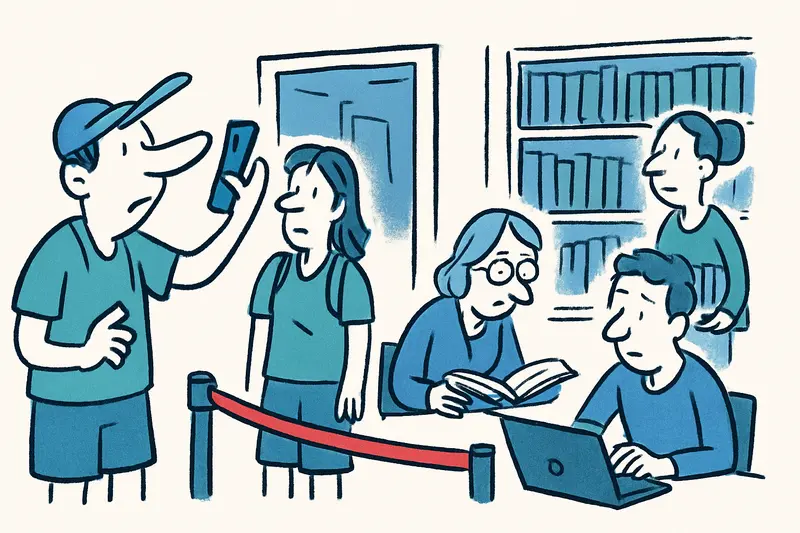
Red Rope in Palma's Library: What Helps Against Selfie Tourism — and What's Missing
Palma's city library cordoned off an area with a red rope to keep selfie tourism away from reading and working activitie...

Fort San Carlos: Museum, Harbor Dispute — and a Conflict That Demands Answers
The military museum at Fort San Carlos sits right on Palma's harbor, with unexpectedly quiet rooms filled with cannons a...
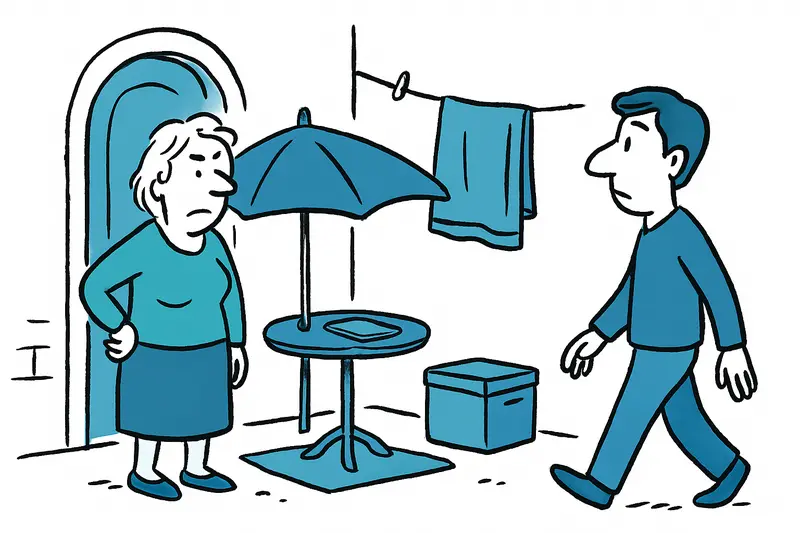
Old Town Under Pressure: When a Doorway Becomes a Sleeping and Shower Place
For months a woman has been living with a parasol, a clothes rack and personal belongings next to the social welfare off...
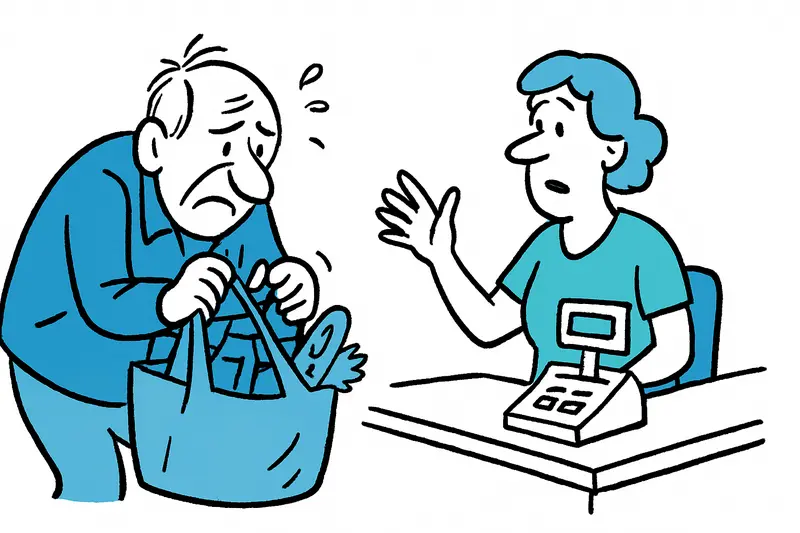
When Shopping Weighs Heavier: Mallorca Demands a Tax Pause on Food and Fuel
Rising prices are putting pressure on households and agriculture. The Balearic Islands are calling for temporary tax rel...
More to explore
Discover more interesting content

Can Cap de Bou

Townhouse Lleo 72
