
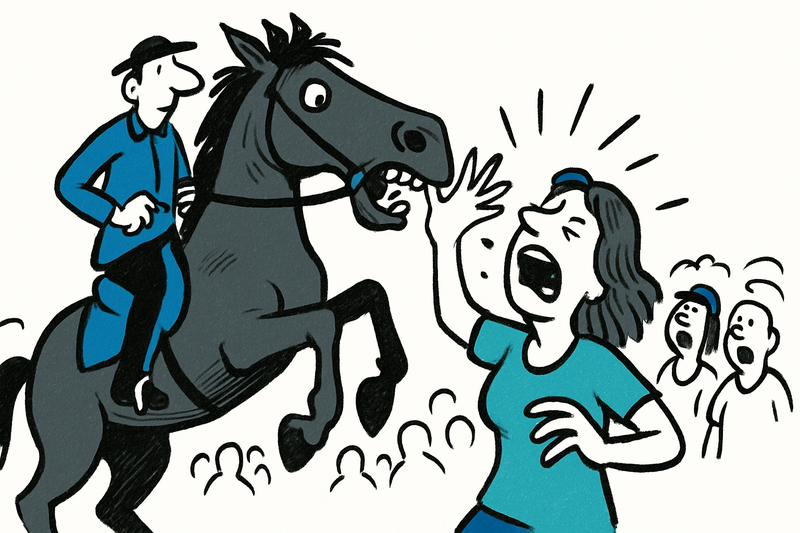
Serious Accident at the Jaleo in Es Migjorn Gran: Between Tradition and Responsibility
During the traditional Jaleo in Es Migjorn Gran a tourist was seriously injured. The incident raises the question of how proximity to culture and safety can be reconciled — without stripping the festivals of their essence.
A Celebration, a Shock: Accident at the Jaleo in Es Migjorn Gran
Late on Sunday morning the small plaza of Es Migjorn Gran, usually filled with the clatter of hooves and the call of trumpets, turned into a place of sharp concern. A young woman was so seriously injured by a horse during the Jaleo that a finger could not be saved; this echoes a report of a tourist whose finger was bitten by a horse at a Menorca festival. Paramedics and emergency doctors worked quickly; the affected person underwent emergency surgery; her condition is stable, but the consequences are life-changing.
The Central Question
How do you preserve a centuries-old, identity-defining tradition while protecting spectators, animals and organizers? This question now hangs over the island community like a heavy sailcloth.
Why the Jaleo Brings People So Close
The Jaleo lives from intimacy. Not a cordoned-off stadium, but alleys, low walls and an open arena — here you smell leather and horse sweat, you hear the hoofbeats just centimetres away. Children push forward, visitors hold up their phones, and longtime Menorquins shout commands. This intimacy is part of the magic and also part of the risk: noise, excitement and sudden movements can stress animals and trigger unexpected reactions.
Why the Debate Stayed Quiet for So Long
Many on the island think: there has almost always been a Jaleo, and incidents are rare. This experience-based complacency meant that safety issues were often improvised. Other recent incidents, such as a crash on the Camí dels Reis where the driver fled into a crowd, have raised similar questions about public safety. But a single serious accident is enough to shake those quiet assumptions. The balance between preservation and modernization has so far been more background noise than a topic in the middle of the plaza.
Often Overlooked Aspects
Away from the immediate injury there are three areas that quickly get lost in discussions:
1) Animal welfare: Agitated horses are not only potential sources of danger, they are also sufferers. Stress, overload and injuries often remain invisible. Increased veterinary presence and standardized rest breaks could help and align with animal welfare principles.
2) Liability and communication: Many tourists do not know the rules. Language barriers, missing signage and unsafe photo zones increase the risk; these factors were relevant in a nighttime incident on the Paseo Marítimo where a tourist was seriously injured. Clear, visible information in several languages is not a luxury but a necessity.
3) Psychological aftercare: An accident leaves traces — with those affected, children, and eyewitnesses. Medical first aid is not always enough. Psychological support should be part of the emergency plan, including psychological first aid approaches.
Concrete, Realistic Measures
The discussion must move out of the outrage bubble into concrete planning. Proposals that could work without major cultural uprooting:
Discrete boundaries: Mobile, low barriers or marked zones that clearly guide spectators without completely removing closeness. Visible lines, not concrete walls.
More trained staff: Trained stewards who master crowd management, and multilingual information points that warn visitors of dangers — also at hotel receptions before arrival.
Medical and veterinary presence: First-aid stations with trauma equipment, tourniquets and fixed procedures for rapid transport. On site: a veterinary team that can recognise stress symptoms and intervene.
Qualification for riders: Regular training and certificates for riders in emergency management and animal-friendly behaviour. Those who appear in public carry added responsibility.
Education and visibility of rules: Information campaigns in several languages, marked photo zones and notices about behaviour at the Jaleo — online, in hotels and at the plaza itself.
Aftercare and reporting: Protocols to document incidents, support those affected and learn from mistakes. Psychological services should be easily available.
Looking Ahead: Preserve Instead of Prohibit
A blanket ban on audience proximity would tame the Jaleo, but it would also erase part of its identity. The challenge is to keep the pulse of the tradition while integrating modern safety standards. Less risk does not mean less closeness — it means acting with greater responsibility.
An Opportunity for Es Migjorn Gran
This accident is a warning signal, not an argument to end the festivities. With measures tailored locally, Es Migjorn Gran can lead the way: when the plaza is again filled with the sound of hooves, one should hear the rhythm and at the same time feel reassured that people and animals are protected. That would be progress that brings tradition and responsibility together.
Frequently asked questions
What is the Jaleo in Es Migjorn Gran?
Is it safe to attend a Jaleo in Mallorca or Menorca?
What should visitors wear and bring to a horse festival in Mallorca?
What kind of safety measures should be in place at the Jaleo?
Why are horses at the Jaleo so close to the crowd in Es Migjorn Gran?
Do tourists need special rules or information before going to a Jaleo in Mallorca?
What happens after a serious accident at a festival like the Jaleo?
Can the Jaleo in Es Migjorn Gran keep its tradition and still become safer?
Similar News
Injured captain, big plans: Germania Mallorca before the away match in Consell
The newly founded FC Germania Mallorca travels to Consell on Saturday. Captain Bastian Müller is out injured, but coach ...
Palma, Palma de Mallorca, Palma‑Mallorca: What is it really about?
The debate over the city's name is more than grammar: it concerns identity, law and branding policy. A sober reality che...
Warning to Bathers: Nipping Fish in Cala Major and Other Coves — a Reality Check
In Cala Major and several beaches around Mallorca, bathers report painful “nips”. Who are the animals, why are they gett...
Rental Car Theft in El Arenal: What This Incident Reveals About Our Gaps
A teenager steals a running rental car in El Arenal, flees on foot, climbs over walls and is caught by the Guardia Civil...
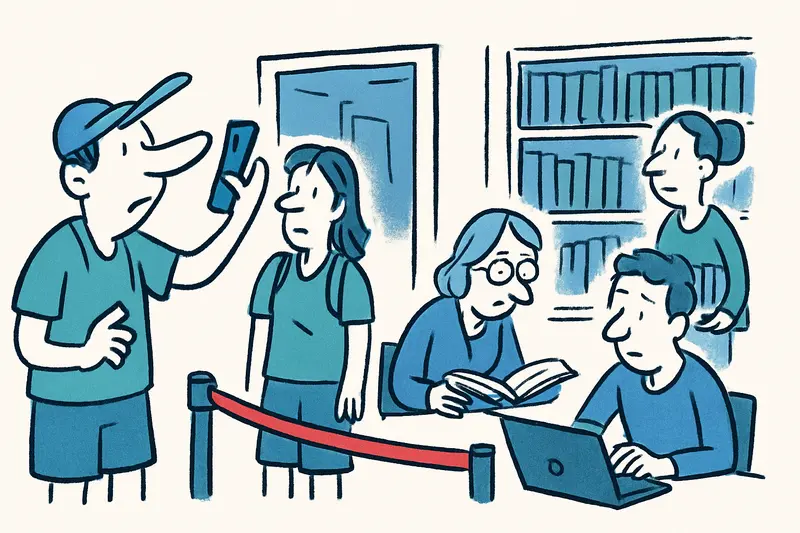
Red Rope in Palma's Library: What Helps Against Selfie Tourism — and What's Missing
Palma's city library cordoned off an area with a red rope to keep selfie tourism away from reading and working activitie...
More to explore
Discover more interesting content

Can Cap de Bou

Townhouse Lleo 72
