
Why Housing Construction in Mallorca Is Stalling: A Reality Check
Construction plans gather dust, investors hesitate: A look at approval backlogs, cost drivers and concrete steps that could get housing construction moving again in Mallorca.
Why Housing Construction in Mallorca Is Stalling: A Reality Check
Key question: Is the problem really money—or our administration and planning?
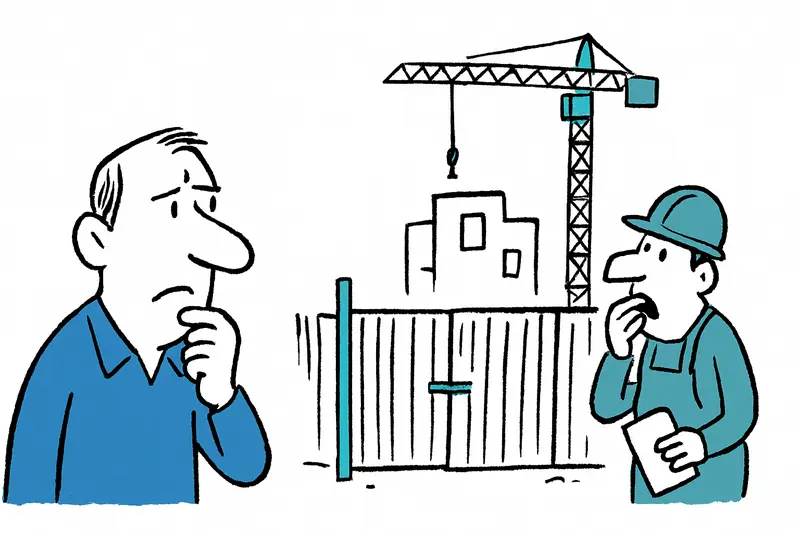
Early morning on the Passeig Mallorca: a coffee, the cough of a bus driver, the clatter of a construction gate somewhere nearby. But on the corner where a building plot has waited for a decision for years, behind a rusty fence, the crane is missing. The scene captures the essence of what experts discussed at a conference at the Castillo Hotel Son Vida: projects do not primarily fail for lack of capital. It is approval processes, a shortage of suitable land and island-specific costs that stall initiatives.
What exactly is at stake? Representatives from banks, developers and investment firms all reported lengthy administrative procedures—sometimes decades before an idea becomes buildable. At the same time, financial actors said liquidity is basically available. Banks, however, demand proof: experienced project sponsors, pre-sales and associated risk management. Higher procurement costs for imported building materials (industry representatives estimate up to around 30% extra) and limited local production of components also make projects more expensive and unpredictable.
Critical analysis: three bottlenecks stand in the way. First: administrative and planning procedures without fixed deadlines or transparent milestones. A process that takes 20 or 25 years destroys planning certainty. Second: lack of available building land—not just in absolute numbers but in how sites are zoned and developed. Third: financing conditions. Banks are willing to lend, but only if the economic parameters work. If pre-sales or reliable feasibility evidence are missing, capital stays on the sidelines—or flows to mainland projects.
What is often missing from the public debate: the municipal level. Many figures disappear into regional and national discussions, while real decision-making power often rests with municipalities. Town hall staff work with outdated IT systems, planning approval procedures are reopened multiple times, and building departments are understaffed. There is also an everyday effect: young families see vacant luxury flats next to littered brownfields—a contradictory urban picture rarely brought to decision-makers' attention.
Another missing chapter: the supply chain. If materials are 30% more expensive, there is no market-driven concept to promote industrial prefabrication on the islands. Without local production structures, construction times remain long and costs variable. And finally: the factor of labor and social infrastructure. Companies complain they cannot find employees because housing is missing or too expensive. The vicious circle eats into competitiveness.
Concrete solutions—not as a pie-in-the-sky mantra, but as practical proposals: First, binding approval timelines with penalties for disproportionate delays and a central digital platform that makes every step transparent. Second, municipal land pools: municipalities could jointly keep a list of available or re-zonable sites and create shared development plans instead of acting alone. Third, targeted incentives for prefabrication and modular construction—grants, test halls or tax breaks to foster local producers. Fourth, hybrid financing vehicles: mezzanine capital, housing development funds with partial public guarantees or green bonds for social housing projects to lower investor entry barriers without relying solely on bank loans. Fifth, binding incentives for pre-sales and for projects that create local jobs.
An everyday example: in a small café in Santa Catalina, an architect tells of a project that has been stalled for years because a municipal consent procedure was missing. The family that wanted to build there has since bought elsewhere. Stories like this show: delays not only postpone concrete, they postpone lives and incomes.
What is needed now: more dialogue on equal terms between municipalities, developers, banks and residents. Transparent deadlines, standardized review paths and locally anchored financial products could keep capital on the islands while creating affordable housing. It's not an easy task, but without these steps Mallorca will remain a great place to plan—not necessarily a great place to build.
Conclusion: Mallorca has capital and demand, but the machine jams at organizational and structural points. If we truly want people to live here long-term and companies to offer jobs here, we must synchronize administration, planning and financing. Otherwise the rusty gate on the Passeig corner will remain a symbol of missed opportunities.
Frequently asked questions
Why is housing construction stalling in Mallorca?
What are the three main bottlenecks slowing Mallorca's housing projects?
How do municipalities influence housing decisions in Mallorca?
What practical measures could help speed up building in Mallorca?
How do rising material costs affect Mallorca construction?
What alternative financing options exist for Mallorca housing projects?
Why is pre-sales evidence important for financing Mallorca projects?
What everyday stories show how delays affect Mallorca construction?
Similar News

FC Germania: Coach Poker in Mallorca — Coup or Blind Gamble?
Negotiations with a former national-team player, an interim coach after a 9:0 win and several new signings — yet FC Germ...

Bomb threats in Europe: Why airlines and airports are in a frenzy — a reality check for Mallorca
A wave of bomb threats grounded flights at the end of the week and led to evacuations and military jet escorts. What doe...

Watch Robbery at Playa de Palma: The Ruse That Targets Tourists
Two alleged robberies at Playa de Palma: A man is said to have taken luxury watches worth a total of €34,000 from touris...
Bitter legal battle over Air Berlin assets: Mallorcan employees continue fighting
Almost nine years after the collapse of the German airline, 43 former employees in Mallorca are still claiming €924,760....
From Van to Gyros: The Repede Family Builds a New Life in Mallorca
A Romanian-Greek cook, an Italian partner, three children — and two beach venues: how the Repede family is shaping their...
More to explore
Discover more interesting content

Can Cap de Bou

Townhouse Lleo 72
