
Impressioning in Mallorca: How burglars silently break into second homes — and what to do now
A new burglary technique called impressioning leaves locks intact and unsettles owners of second homes. A critical assessment, practical protective measures and a call to action.
Impressioning in Mallorca: How burglars silently break into second homes — and what to do now
Key question: How does the method work, why does it particularly affect owners of second homes — and which concrete steps help now?
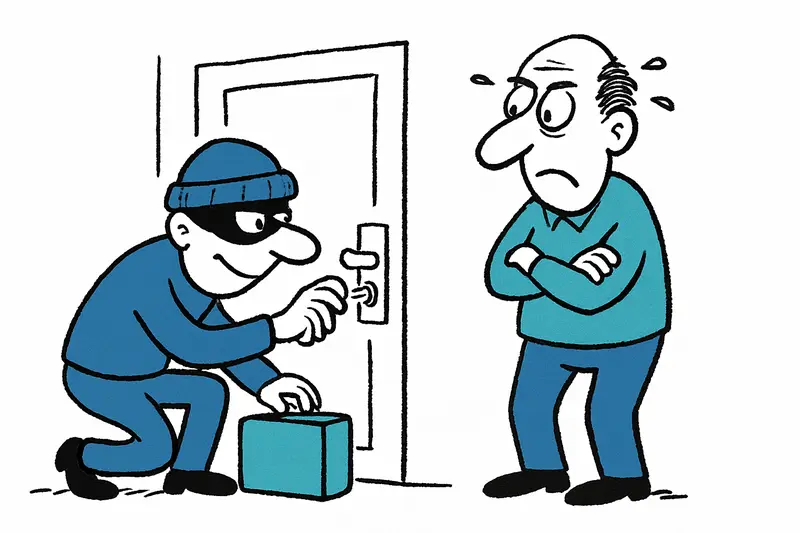
When the afternoon heat rises from the stone walls in Cala Major and the cicadas begin their continuous drone, a homeowner often only sees what is visible: closed shutters, an empty driveway, the mailbox with dust. It is precisely these quiet moments that criminals exploit, who no longer work with crowbars and noise but with techniques that leave hardly any traces. Experts call it "impressioning" — a method in which a key is reproduced by manipulating the lock cylinder without breaking the lock, a technique linked to recent cases such as Raid in Palma: Specialized keys, disguises — and many unanswered questions.
It sounds technical, but in essence it is a problem of the idea of 'visible security': a broken window is obvious, a quietly and cleanly opened door is not. This makes properties that are only occasionally occupied particularly vulnerable — holiday homes in the rural surroundings of Santanyí or villas in Son Vida often remain empty for months, gardeners and cleaners work in shifts, and neighbors only realize late when something is missing.
Critical analysis: Why we need to rethink alarm thinking. Much of the public discussion revolves around indoor alarm systems and cameras in the living room. That is important, but it does not address the problem when attackers are working on the lock from the outside. The security industry is therefore seeing growing interest in measures that take effect before entry: outdoor detectors, motion sensors on access paths, camera-based detection at driveways and networked alarm systems that send a pre-alarm to a control center or the owner — some systems, according to manufacturers, allow a response within seconds before the door is opened. Local incidents underline the urgency, for example Palma on edge: Seven arrests after daytime burglary spree – what now?.
What is often missing from the debate: clear responsibility and communication. Who monitors vacant properties? Who checks whether the neighbor around the corner actually empties the trash and moves the shutters? And how quickly can the police respond if there is suspicion? Recent official figures reflected an increase in crime: 84,895 offenses were registered in the Balearic Islands (+5.6% compared with the previous year), 66,712 cases were recorded on Mallorca (+6.6%) and Palma alone reported 38,001 offenses (+6.9%). These figures show not only frequency but also weight: the likelihood of something happening increases where houses are often unattended, and organized groups also target the islands, as reported in Organized watch robbers in the Balearics: Why Mallorca must also stay vigilant.
Everyday scene: Tuesday morning on Avenida Jaime III. A delivery van is parked, the garbage collectors rumble by, an older woman feeds the pigeons. This is what a neighborhood looks like — and this is precisely where prevention begins. A quick look from the balcony, a photo of the driveway shared in a neighborhood group, a call to the property manager: small things that together create a quiet but effective presence.
Concrete, practical solutions for owners and municipalities:
For owners: 1) Visual check when buying: change the lock cylinder or have it evaluated by a certified locksmith; simple cylinders can be vulnerable — see The 'Defective Key' Trick: How a Hotel Thief Exploited Palma, Ibiza and Madrid. 2) Strengthen the exterior: motion-activated lighting on paths and driveways, sensitive outdoor detectors not only on the house but along the property. 3) Networking: cameras and alarm systems that send push notifications to the smartphone and to a control center; systems with a pre-alarm function increase the chance of a response. 4) Simulate regular presence: timers for lights and shutters, a reliable caretaker or neighbor who gives the impression of occupancy. 5) Documentation: inventory lists and photos of important items, keep insurance up to date.
For municipalities and police: 1) Information campaigns for owners of second homes, clear and local (e.g. Ciudadela, Andratx, Palma); 2) promote coordinated neighborhood networks — no long deliberations, but simple reporting channels; 3) increased patrols during typical vacancy periods and rapid response protocols for alarm reports in residential areas with many holiday properties.
What does not help: pure scaremongering or expensive full surveillance without a concept. Those who invest in alarm systems should know which signals have priority and how the chain of response works. An expensive device that nobody monitors is as useful as a lock without a cylinder.
In summary: the danger of impressioning requires a new perspective. Not only secure the interior, but understand the perimeter as the first line of defense. Owners should now check whether neighborhood structures work and whether the technical safeguards provide early warning signs. Authorities must make preventive offerings more visible and strengthen local networks. Only then will Mallorca remain not just a travel destination, but a place where houses are protected even when the shutters are down.
Conclusion: Caution instead of despair. A quieter, brighter property, a reliable local contact and a networked alarm concept significantly reduce the risk. Those who take this seriously do not need fear — but planning, neighborhood cooperation and technology that work together.
Frequently asked questions
What is the best time of year to visit Mallorca for beach days and swimming?
What should I pack for a Mallorca trip in summer?
Is Mallorca good for families, and what activities suit kids?
What are the must-see spots in Palma de Mallorca?
What foods should I try in Mallorca?
Do I need rain gear for Mallorca?
What’s the best way to get around Mallorca?
Are there good beaches near Palma for a day trip?
Similar News

More water than last year: Mallorca's reservoirs breathe easier
September rain refilled the Tramuntana's reserves: overall fill around 35 percent, Cúber at 40.42 percent, Gorg Blau at ...

Three Luxury Hotels in Banyalbufar: Lots of Money, Many Questions
A Danish investor plans three exclusive accommodations in Banyalbufar — including the historic Son Valentí. The announce...
2.1 tonnes of cocaine on sailing yacht off Spain's coast – a reality check for the coastguard
A 14-metre yacht was seized with 2.1 tonnes of cocaine. Who monitors the ports, how does the international hunt succeed ...

Heat Bonus in Mallorca: 100 Euros Extra for Outdoor Staff at MarSenses
MarSenses pays employees who worked outdoors in August an extra €100 as recognition. Lighter uniforms, reduced hours for...
Renovating in Mallorca: What You Really Can Do Without Neighbour Consent
Many think they can do whatever they want in their apartment. That's partly true — but only as long as structural elemen...
More to explore
Discover more interesting content

Can Cap de Bou

Townhouse Lleo 72
