
Inca Adds 133 New Parking Spaces—but Less Traffic Won’t Happen Automatically
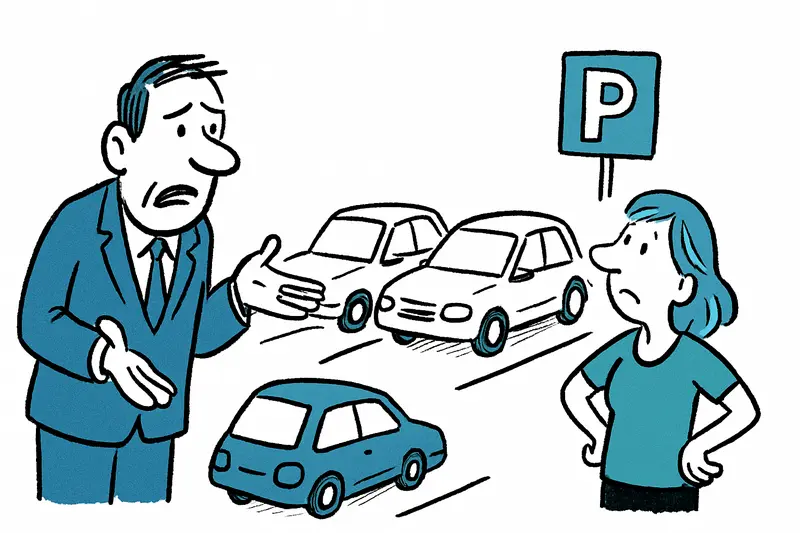
Three additional parking areas are intended to ease pressure in Inca. Two are already open, and a third has been announced. The key question is whether they will actually keep cars out of the town centre.
Inca Adds 133 New Parking Spaces—but Less Traffic Won’t Happen Automatically
Anyone getting around Inca on a Thursday knows the little routine: circle the block, try one more street, then perhaps park on the edge of town and walk the rest of the way. On market day in particular, many journeys converge. New parking areas can help. But the key question is: Will the additional spaces actually keep cars out of the centre—or simply make driving to Inca more convenient?
The town has announced three new parking areas with a combined total of 133 spaces. Two have been open since Dijous Bo: there are 60 spaces by the Sallista sports ground and another 30 in the Son Bernassar area, near the ITV inspection centre. A third site on Avenida Jaume I, opposite the Bon Foc restaurant, is due to follow, with 43 spaces. The area by a new petrol station on General Luque Street is also expected to become available soon; the information provided does not specify how many spaces it will have.
According to the town’s figures, Inca now has around 1,200 parking spaces at various locations across the municipality. The new areas are not intended exclusively for tourists: they will be open to residents and visitors alike. The underlying idea makes sense. If people can leave their cars on the outskirts and run errands on foot, they may not need to drive into the narrower streets.
The number alone doesn’t tell us much
Another 133 spaces is a concrete figure. But it doesn’t show whether they will noticeably improve traffic flow. To assess that, it would be important to know how far each site is from the centre and the train station, how easy it is to continue on foot from there, and whether spaces are available at the times they are needed. Prices, signage, lighting and accessible routes also matter in everyday use. The information provided gives no details on these points.
It all comes down to how the spaces are used. A car park on the edge of town can work well as a place to leave the car if the route into the centre is pleasant and clearly marked. Without that connection, it may simply become another place to park, while other drivers continue looking for a space closer to their destination. And someone carrying shopping, pushing a stroller or with limited mobility will make a different choice from someone stopping briefly for a coffee.
The claim of “less traffic” also deserves a reality check. New parking spaces won’t reduce the number of cars in the town centre by themselves. That requires a change in behaviour: people need to find the outer parking areas, want to use them and be able to complete the final stretch without a major detour. Additional spaces can also attract new car journeys if driving starts to seem easier. That is not an argument against parking; it is a reminder that infrastructure and transport planning need to work together.
What still needs to be clarified in everyday use
Inca is more than a destination for day trips. The town serves the surrounding area with shops, services and public offices. Many people drive there not simply for convenience, but because they have an appointment or a job there. Thursday also brings the weekly market, and the crowds grow considerably during Dijous Bo. A solution that works on a quiet morning may not be enough on market day or during an event.
Public discussion of new parking spaces quickly turns to the overall number. Less visible are questions about who actually uses the sites, how long cars stay there, and whether the spaces merely shift demand to a different time or location. A simple occupancy report, published regularly and broken down by location and time of day, could help, along with information on fees and available capacity. After a few months, it would then be possible to assess whether the new areas are having the desired effect.
Practical next steps for the town would be straightforward. Clear signs could direct drivers to the parking areas early, rather than leaving them to search once they reach the centre. Safe, well-lit pavements and clear connections to buses and trains would make parking outside the narrow streets more appealing. Where useful, information about available spaces could be displayed both digitally and on site. And if certain areas are regularly full, the town should clearly explain what alternatives are available instead of hoping that traffic will distribute itself.
More space, but also a measure of success
For people shopping, working or attending appointments in Inca, every additional option can make finding a parking space less stressful. Visitors with rental cars can also benefit if they no longer have to circle unfamiliar streets. That is a tangible benefit. At the same time, the town should measure more than the number of new spaces: it should also monitor whether fewer cars are entering the central streets and whether walking routes work well for everyone.
The 133 spaces are a start, not proof of less traffic. If they are paired with clear directions, good walking routes and useful connections, they could ease pressure in Inca. If the town stops at the number on paper, people will probably still be searching on Thursdays—just perhaps on a different edge of town.
Frequently asked questions
How many new parking spaces are being added in Inca, Mallorca?
Where can I park in Inca on Thursday market day?
Will Inca’s new parking areas reduce traffic in the town centre?
Can I park outside central Inca and walk to the shops?
Can visitors use the new parking areas in Inca, or are they for residents?
How many parking spaces are there in Inca altogether?
Are Inca’s new parking areas accessible for people with limited mobility?
Is parking at Inca’s new car parks free?
Similar News

Water Main Break in Palma: 5,000 Households Without Water—and Many Unanswered Questions
A damaged pipe near Parc de sa Feixina disrupted water service in Santa Catalina, Es Jonquet and Son Armadans. The incid...

Mallorca Flight and Seat Lottery: What We Can Really Confirm About the Ryanair Report
A circulating report claims that free Ryanair seats will be assigned only a few hours before departure. Without confirma...

Formentor After the Fire: Under Control Doesn’t Mean Over
A major wildfire on Formentor has been contained. Around 268 hectares have been affected, and emergency crews remain on ...

Port d’Andratx: When a Wage Dispute Turns Violent
A former employee describes an alleged assault after a dispute over unpaid wages. What is known so far—and why important...

Fog over Formentor: Mallorca’s Weather Photography Takes the International Stage
An image from northern Mallorca is bringing the island’s weather into the spotlight: Francisco Bailón has received an in...
More to explore
Discover more interesting content

Can Cap de Bou

Townhouse Lleo 72
