
Inside Airbnb: Reality Check — Did the big decline really happen?
Inside Airbnb: Reality Check — Did the big decline really happen?
The island council speaks of thousands of deleted listings. Public data, seasonal effects and technical causes suggest: the picture is more complicated than the headlines.
Inside Airbnb: Reality Check — Did the big decline really happen?
Key question: Has the agreement between the island council and the platform really made thousands of illegal holiday rentals disappear — or is there something else behind the numbers?
On Passeig Mallorca in the early morning the air is still humid, delivery vans rattle by, and in a corner bar neighbors talk about the new holiday apartment next door: "Last year there was constant key turnover," says a woman who has lived in the neighborhood for decades. These everyday scenes shape the debate. At first glance the recent figures sound dramatic: politicians speak of several thousand removed listings, as reported by More Controls Against Illegal Vacation Rentals – What the Numbers Really Say, the analysis portal Inside Airbnb currently lists around 14,500 active offers on the island. But on closer inspection the calculation is not so simple.
Critical analysis: an inside view of the data situation. Inside Airbnb reports that just over 90 percent of the listings are entire apartments or houses, while single rooms make up only a small fraction. More than 80 percent of the offers come from accounts that list multiple properties; over 11,700 entries are attributed to hosts operating commercially. This structure explains the pressure on the housing market better than buzzwords about "individual hosts."
Politics and statistics clash. The president of the island council reported that, under the agreement with the platform, over 8,000 illegal listings had been removed, a claim also covered in Airbnb Cleans Up: What the October Removal Means for Mallorca. Other voices in the political arena, however, estimate a decline of around 3,600 listings since June 2025, a discrepancy examined in More Controls Against Illegal Holiday Rentals – Enough or Just Window Dressing?. Public counts show platform numbers dropped from about 17,000 in June 2025 to just under 13,500. That does not automatically explain where the difference comes from: enforcement actions are only part of the picture.
What is often missing in the debate: seasonal fluctuations, technical deletions, voluntary exits and double counts. Listings disappear in summer mode just as in winter — sometimes because hosts stop renting, sometimes because the platform merges entries or temporarily deactivates them. Different counting methods also mean that authorities and analysts do not always start from the same baseline. Those who rely only on headlines miss these nuances.
What is hardly discussed publicly: checking actual use on-site. An address may have vanished from the platform, but whether the accommodation has ever been permanently removed from tourist circulation is hard to verify from remote data. For neighbors in areas like Santa Catalina or Portixol the number of deleted listings is not what matters; what counts is whether guests still arrive at night, whether there are constant key changes and whether long-term rental offers become rarer, a reality discussed in Airbnb Puts the Balearic Islands Under Pressure: Deleting Illegal Listings — What It Means for Mallorca.
Concrete solutions: more transparency, better data and local presence. First, authorities should provide a public, auditable dashboard solution that discloses data sources, counting methods and time windows. If the island council, municipalities and the platform use the same metrics, political claims can be verified. Second, reporting systems in the municipalities must be strengthened: neighborhood complaints should be recorded digitally and linked to defined inspection intervals, instead of disappearing as isolated cases. Third, automated cross-checks between tourism registration numbers (VUT-like IDs), electricity and water connections and tax records are needed to expose sham registrations.
Furthermore: targeted inspections of operators with large portfolios, tougher sanctions for repeat offenders and incentives to return properties to the long-term market — for example through support programs, tax breaks for conversion to regular rental housing or time-limited subsidies for owners who switch to long-term letting. Smaller measures also help: local advisory centers for owners, clear rules for subletting in homeowners associations and mandatory information duties when tenants change.
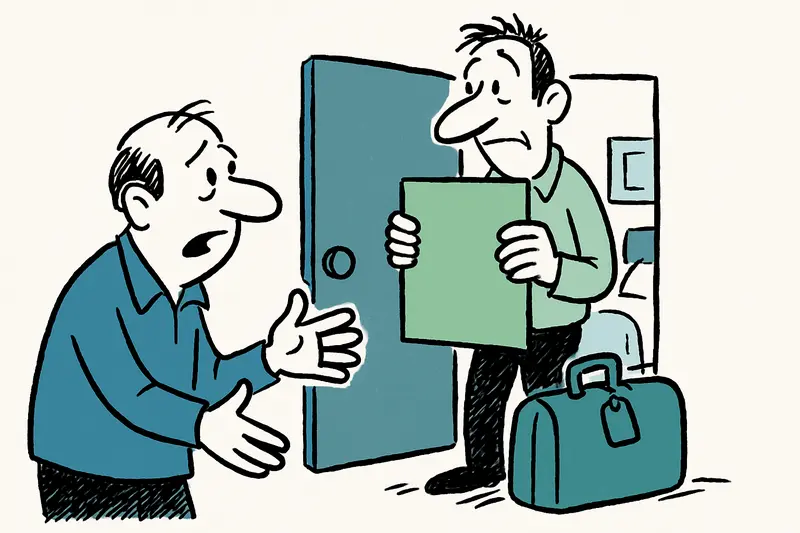
The perspective of neighbors is often missing from public discourse. I recently stood at Plaça Olivar, heard the clatter of a trash bag and saw a young man with a travel bag climb the stairs of a building — maybe a tourist, maybe a friend. People on site experience housing pressure in the form of rising rents, empty days in the neighborhood and longer commutes to work. This everyday reality must serve as a touchstone: politicians, analysts and platforms need to show how measures actually change life on the streets.
Concise conclusion: The number of deleted listings alone does not indicate whether holiday rentals are shrinking overall. Political success stories based on raw numbers must be questioned. What matters is a transparent data basis, consistent local enforcement and measures that change real usage patterns, not just listings. Without these steps much remains symbolic politics — and the neighbor on the corner will keep asking why the apartment next door is still rebooked every month.
Frequently asked questions
Did holiday rentals in Mallorca really drop sharply after the platform agreement?
Why are there still so many holiday apartment listings in Mallorca?
How can you tell if a holiday rental in Mallorca has really been removed?
What do neighbors in Santa Catalina or Portixol notice when holiday rentals increase?
Why do Mallorca politicians and analysts report different numbers for removed listings?
What would make holiday rental control in Mallorca more transparent?
What are the main signs that a Mallorca holiday rental market is still under pressure?
What should Mallorca owners consider if they want to switch from holiday lets to long-term rental?
Similar News

More water than last year: Mallorca's reservoirs breathe easier
September rain refilled the Tramuntana's reserves: overall fill around 35 percent, Cúber at 40.42 percent, Gorg Blau at ...
Three Luxury Hotels in Banyalbufar: Lots of Money, Many Questions
A Danish investor plans three exclusive accommodations in Banyalbufar — including the historic Son Valentí. The announce...
2.1 tonnes of cocaine on sailing yacht off Spain's coast – a reality check for the coastguard
A 14-metre yacht was seized with 2.1 tonnes of cocaine. Who monitors the ports, how does the international hunt succeed ...

Heat Bonus in Mallorca: 100 Euros Extra for Outdoor Staff at MarSenses
MarSenses pays employees who worked outdoors in August an extra €100 as recognition. Lighter uniforms, reduced hours for...
Renovating in Mallorca: What You Really Can Do Without Neighbour Consent
Many think they can do whatever they want in their apartment. That's partly true — but only as long as structural elemen...
More to explore
Discover more interesting content

Can Cap de Bou

Townhouse Lleo 72
