
What do investors want with the upper Passeig del Born?
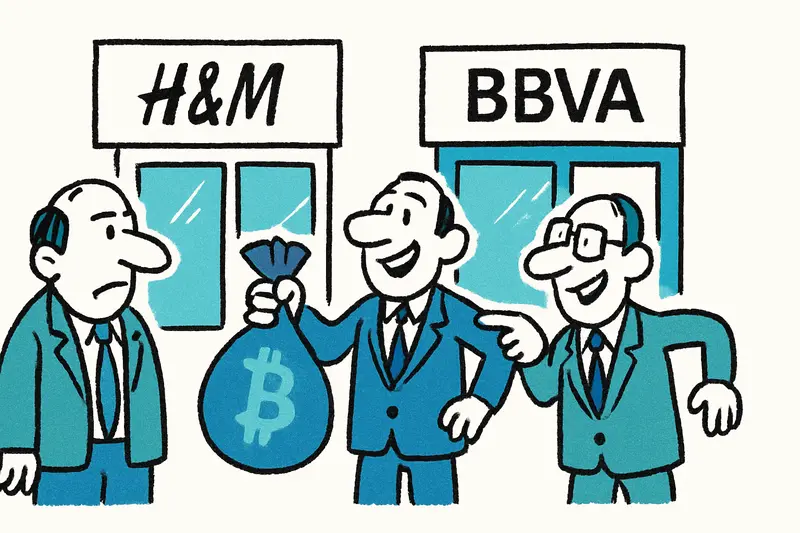
At the upper Passeig del Born investors have taken over the spaces of H&M and BBVA. For residents and small shops the big question remains: Will the street's appearance change — and how can Palma steer it?
What are the investors planning for the upper Passeig del Born?
In the late morning, when the sun lies low over the plane trees on the Passeig del Born and the clatter of espresso cups grows louder, a change of ownership is noticeable there, even if H&M and BBVA continue to keep their doors open. A capital group has bought the two large retail spaces at the top of the Born, as reported in Inversores adquieren locales de H&M y BBVA en la parte alta del Paseo del Born – a moment that raises more questions than it immediately brings visible changes.
Which spaces are affected — and why size matters
The fashion store occupies more than 1,800 square meters over two floors, the bank about 500 square meters. Together these are spaces that shape the look of the upper street: generous shop windows, long facades, passing trade from cruise tourists and locals. A sale on this scale is not an ordinary real estate transaction but an intervention in the structure of one of Mallorca's most expensive shopping addresses.
The central question: threat to diversity or chance for new ideas?
Talking in the bookstore on the corner with Carrer de Sant Miquel you hear the same concern many share here: "This is not a normal shop, this is a piece of the city." The question is whether the new owners will focus on returns through large tenants and flagship stores — or whether they will pursue a usage concept that leaves room for smaller businesses, local gastronomy and cultural interim uses. This consideration echoes recent local coverage such as 300.000 euros en el Born: el Grupo Cappuccino reactiva el bar del Casal Solleric — oportunidades, riesgos y preguntas abiertas.
What is often missing in the public debate
There is much talk about rents and tourist flows; four concrete aspects that can shape the Born in the long term are hardly noted: the role of banks as stable anchors, the effects of large retail spaces on the footfall of small shops, the impact on night- and daytime economies, and the potential for energy-modernizing historic buildings. If investors acquire several such units, they can strongly homogenize the offering — or, conversely, deliberately promote a diverse mix of uses.
Concrete opportunities and risks
Risk: a homogeneous retail landscape reduces the quality of stay. Fewer independent shops mean less identity, fewer locally rooted jobs and a more tourist-oriented profile. Opportunities: with attentive management the spaces could serve as a platform for cultural pop-ups, seasonal markets or cooperative retail concepts — thereby increasing dwell time. Energy renovations also offer the chance to combine historical substance with modern standards.
What levers does the city have?
The city administration has so far raised no objections. That does not mean there are no instruments. Concrete options would be:
- Use restrictions: Requirements for a minimum share of local businesses or cultural uses in larger conversions.
- Rent protection models: Promotion of long-term, indexed leases instead of purely market-based prices.
- Temporary interim use: Subsidized pop-up spaces for young entrepreneurs and cultural makers to maintain diversity.
- Transparency obligations: Disclosure of ownership structures in strategically important locations to make speculative consolidations visible.
What shop owners and residents can do
The traders on the Born have experienced similar changes before: change comes gradually. Forming local interest groups, regular dialogue with the city and transparent complaint mechanisms can reduce pressure in the short term. In the long term, alliances between owners, businesses and cultural actors are sensible — for example joint marketing strategies that spread tourist flows and equally appeal to locals.
Conclusion: measured change would be best
The sale of the H&M and BBVA spaces is a significant step — still without immediate consequences for passersby who continue to stroll along the cobbles of Plaça de Cort. What will be decisive is how the new owner group uses their spaces and whether the city and civil society respond with clear rules and creative offers. A Born that continues to smell of identity rather than just profit would be worth its weight in gold for Palma.
Outlook: In a year we will see more clearly whether flagship-store logic dominates here or a lively mix of uses emerges. Until then: an espresso in hand, the plane trees in view and an open ear for the everyday murmur of this street.
Frequently asked questions
What is changing at the upper Passeig del Born in Palma?
Could the new ownership on Palma’s Passeig del Born change the type of shops there?
Why does the sale of large premises on the Born matter for Palma’s city centre?
What can Palma’s city council do if large investors change the Born too much?
What risks do residents and shop owners see on the Passeig del Born?
Can the upper Passeig del Born in Palma still host smaller businesses?
How large are the retail spaces sold at the upper Passeig del Born?
Is there any immediate change for people walking along the Passeig del Born?
Similar News

After Being Admitted to Hospital Again: Heinz Hoenig and the Questions We Should Ask in Mallorca
Long-time Mallorca resident Heinz Hoenig was admitted to hospital again. A clear “what next?” is missing from the covera...
Yellow Alert: Is Mallorca Prepared for the Next Rain Band?
Aemet has issued a yellow alert for the south, southwest and the island's interior. Thunderstorms and heavy rain are for...
Kegel brothers trial postponed: Why Mallorca must wait for a verdict
The trial of 13 German holidaymakers will not begin until May 2028. The long wait raises questions — for victims, defend...

Chaos on Palma's Runway: Why the Summer at the Airport Was So Disrupted
This summer laid bare where Palma airport is faltering: only just over half of departures were on time and seven percent...

Cocaine Offer on Ham Street: Why the Open Trade Should Ring Alarm Bells
In the middle of Pare Bartomeu Salvà a tourist was offered a packet of cocaine as part of a sunglasses deal. A short int...
More to explore
Discover more interesting content

Can Cap de Bou

Townhouse Lleo 72
