
ITV sticker manipulated in Mallorca: How a hole extended validity by almost a year
ITV sticker manipulated in Mallorca: How a hole extended validity by almost a year
In August 2024 police on Avenida Argentina discovered a manipulated ITV sticker and a misused disabled parking permit. The court handed down a nine-month prison sentence. Why was the forgery possible — and what is missing from the public debate?
ITV sticker manipulated in Mallorca: How a hole extended validity by almost a year
Key question: How could a technical inspection sticker in Palma be altered so easily — and what does that say about checks and prevention?
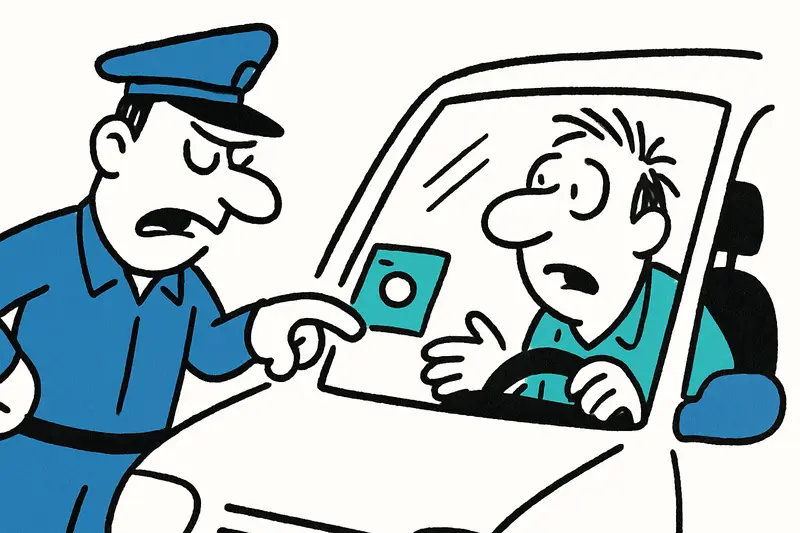
On a mild August day in 2024, the air on Avenida Argentina still smelling of sea and motor oil, a parked car did not go unnoticed by officers. The screech of seagulls, the hum of delivery vans, a police radio in the background — and a sticker on the windshield that did not fit, reminiscent of reports on Fake TÜV stickers in Mallorca: Harmless Bargain or Costly Risk?. What began as a routine check because of a misleadingly used disabled parking permit turned into a case that has now ended up in court: the vehicle inspection sticker (ITV) had been manipulated so that the expiry date was concealed and the validity was effectively extended by almost a year.
The court sentenced the driver to nine months in prison. During the visual inspection the officers found a hole in the sticker that had been used to obscure the actual year. There was also a disabled parking permit visible in the vehicle whose expiry date was January 2004 and which had been issued not to the driver but to her mother, who died in 2011. During the check the driver apparently tried to partially hide the permit with a pair of glasses.
The defendant told the court that the hole was the result of poor application of the sticker and was related to a shoulder injury. The court found this explanation not credible, not least because the vehicle should already have been presented for ITV in January and had not been by the time of discovery in August.
Critical analysis: The facts are clear, but the discussion remains incomplete. First, the technical aspect: stickers that can be manipulated with simple means are a weak point. Second, the inspection practice: the manipulation was only noticed because another violation drew the police's attention to the car. If checks are only random or triggered by incidents, forged or altered stickers can remain unnoticed on the roads for months.
What is missing from public debate: an open look at the vulnerability of visual inspection proofs and at the procedures at inspection stations. It is rarely discussed how many stickers are issued annually, how their security is standardized, or to what extent digital alternatives already exist, for example efforts to reduce waiting times by adding special shifts and 4,000 extra TÜV appointments. Also underexamined are the social motives behind such manipulations. Is it financial pressure, lack of time, or ignorance? In this case there was a medical history, but the court did not consider it a sufficient excuse.
Everyday scene: Anyone strolling down Avenida Argentina in the morning knows the picture: taxi drivers, commuters, delivery workers, the smell of fresh coffee from the bakery on the corner. Hardly anyone looks closely at windshields — a sticker is easy to overlook until an inspection or a police officer asks. That is how a manipulation attempt that endangers other road users nearly reached the point of criminal prosecution unnoticed.
Concrete solutions: First: technical improvements to inspection stickers — materials that are hard to tamper with, hidden security features, or personalized codes; second: digital linkage of ITV data with vehicle registration and accessibility for police officers via tablet or app; third: regular training and targeted routine checks in parking zones where disabled permits are more often misused; fourth: public information campaigns with clear information about expiry dates and the consequences of failing the ITV, so fewer people postpone inspections; fifth: stricter controls on the issuance of special parking authorizations and recurring checks to reduce abuse, especially in light of cases of When the padrón lies: Identity theft in Mallorca and the system's vulnerabilities.
Practical measures could also start where technology reaches its limits: local police patrols could send standardized short reports to ITV stations when violations occur, and workshops could be better integrated into the reporting process. It is important that solutions are not only punitive but also offer ways for vehicle owners to meet deadlines — for example mobile inspection services or reminder systems.
Concise conclusion: This case is not just a lone incident but a reminder that visible proof alone is not enough. A small manipulation of a sticker is enough to circumvent legal obligations and create potential risks for other road users. Mallorca therefore needs more robust technical solutions, better digital networking and measures to counteract the misuse of special parking permits. Otherwise the lasting image will be: a parked car, a hole in the sticker and the question of how much trust a pane of glass can hold.
Frequently asked questions
What is an ITV sticker in Mallorca, and why does it matter?
Can a manipulated ITV sticker in Mallorca lead to prison?
How do police in Mallorca detect a fake or altered ITV sticker?
Why is a disabled parking permit checked during a traffic stop in Mallorca?
What should drivers in Mallorca do if their ITV inspection is overdue?
Are ITV stickers in Mallorca easy to tamper with?
What are the rules for ITV checks in Palma de Mallorca?
How can Mallorca improve control of overdue ITV inspections?
Similar News
Who Benefits from the Half‑Hourly Flight on the Edge? Aena, Investments and the Island's Interests
Almost one billion euros is flowing into Son Sant Joan. The figures show the scale of investment and expected beneficiar...
Are the Balearic Islands the Southern Border of Europe? A Reality Check on Immigration
The Balearic Islands are again calling for EU aid after a sharp rise in arrivals by sea. Conflicting priorities between ...

"Expensive chaos" and many open questions: What clients can do when a lawyer suddenly stops responding
Several clients complain that a well-known German lawyer in Mallorca has been unreachable for months. Key question: What...
TV tip: 'The Last Problem' — Mallorca as the setting of a classic crime
A classic whodunit on Mallorca: A new miniseries set in spring 1959 brings storm, an isolated hotel and a dense web of s...
Nipping Sea Creatures: Why Bathers in Cala Major and Elsewhere Should Be Cautious
In Cala Major, bathers have reported being nipped by small fish. What is behind it, how can problems be avoided — and wh...
More to explore
Discover more interesting content

Can Cap de Bou

Townhouse Lleo 72
