
After accident with Jaume Anglada: How safe is Avenida Joan Miró?
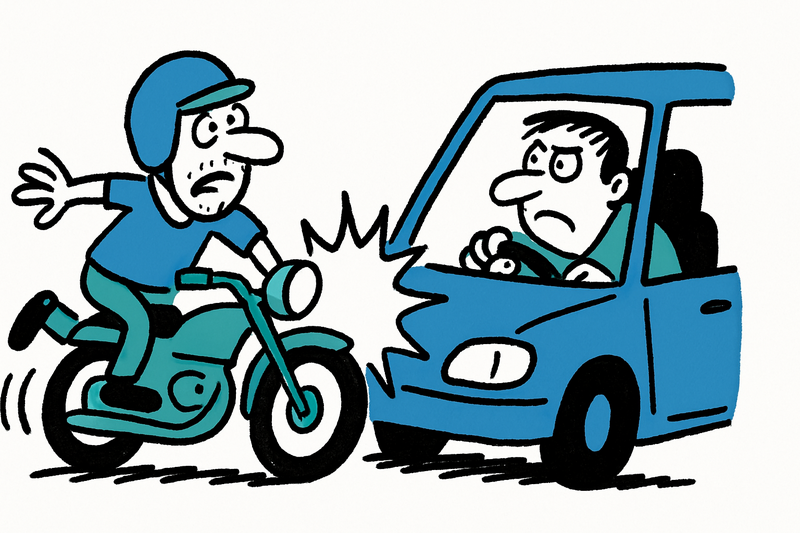
The well-known singer Jaume Anglada was seriously injured on Avenida Joan Miró after a car crashed head-on into his moped. The driver fled and was later arrested. The incident raises urgent questions about road safety in Palma.
A shock in the night: Jaume Anglada seriously injured
In the night leading into Thursday the familiar soundscape on Avenida Joan Miró changed: instead of the usual car noise and the distant bass from the bars, blue lights, sirens and the muffled rattling of an ambulance suddenly cut through the air. On this heavily used arterial road there was a serious accident in which the well-known Mallorcan singer Jaume Anglada after serious accident in Palma: Why Joan Miró is facing renewed criticism was seriously injured. The 52-year-old was riding his moped when a car collided head-on with him. The driver initially fled the scene but was apprehended by the police shortly afterwards and taken into custody. More on the case is available in Bail for Jaume Anglada's Accident Suspect: Too Much Trust in the Justice System?.
The key question: Is Avenida Joan Miró still safe?
This is the question occupying many residents, commuters and tourists now: how can a main traffic artery in the middle of Palma remain so vulnerable to serious accidents? Avenida Joan Miró is not a back road but a daily lifeline – vans, taxis, scooters and private cars share the lanes. Yet reports of dangerous situations, especially at night, have been increasing for years. Is it due to speed, confusing intersections, inadequate lighting or a lack of protective measures for two-wheeled vehicles such as traffic calming measures?
What is known so far — and what is missing
The police investigation continues. It is clear that hit-and-run has been reported, a classic offense that often carries serious legal consequences. Concrete causes of the accident are so far speculative: eyewitnesses report high speed, others mention poor visibility at night. No concrete information about alcohol or drug impairment has been published yet. Important to note: many of these factors can be influenced individually — and together they can be fatal.
A look behind the numbers and everyday reality
Avenida Joan Miró has sections with narrow lanes and only sporadic lighting. At peak times the road becomes a stream of metal waves; at night headlights stack up. Two-wheel riders are particularly vulnerable here: a brief jolt, a driver's misstep — and a person lies seriously injured on the asphalt. The island culture that long romanticized motorcycling now faces a moment where practical measures must take precedence: safe infrastructure instead of romantic images.
What is often missing in the discussion
Public debate often focuses on questions of blame and the fate of a celebrity. Less attention is paid to structural solutions: why aren't there more separate lanes for scooters and mopeds? Why are there not consistent speed controls during nighttime hours? The role of urban planning is also seldom seriously debated — for example, whether traffic calming compatible with the city or redirecting through traffic would be an option. Additionally: tracking down hit-and-run drivers would be easier with comprehensive, legally approved camera infrastructure.
Concrete measures that should be tackled now
In the short term, police presence on Avenida Joan Miró must be increased, especially at night. Mobile speed controls, alcohol and drug checks and intensified checks against hit-and-run send a clear signal and should align with official DGT road safety guidelines. In the medium term, firm lines should be drawn: physical separation of two-wheeler and car lanes, better street lighting, reflective markings and additional speed bumps at danger points. In the long term, a redesign is unavoidable: less through traffic in the city center, safe crossings for pedestrians and a well-thought-out network for bicycles and mopeds.
Social responsibility and small steps
Road safety is not only the responsibility of the authorities but also of society. Campaigns for defensive driving, local workshops that check helmets and lights, training for delivery drivers — all of this can save lives and should follow international best practices such as the WHO road safety recommendations. The culture of looking away must also change: videos from the accident scene, phone recordings or observations are often crucial for investigations. The police explicitly ask witnesses to come forward; every small detail — a horn, a blink of an indicator, a stomp on the brake — can help reconstruct the sequence of events.
Solidarity and a sober look ahead
Majorca stands with Jaume Anglada. The sympathy is great: fans lay candles, bars play his songs, and phone calls between musicians and friends are circulating. But demonstrations of sympathy alone are not enough. The accident must be a starting point — for an honest debate about traffic planning, tougher measures against hit-and-run and quickly implementable protections for the vulnerable on two and four wheels. If the island wants to learn from this tragedy, concrete steps are needed now, not just conversations.
The investigation is ongoing, and we wish Jaume Anglada above all one thing in these hours: recovery. For Palma the question remains whether Avenida Joan Miró will become safer in the future — or whether we will continue as before until the next alarm pierces the night.
Frequently asked questions
Is Avenida Joan Miró in Palma safe for drivers and scooters at night?
Why are accidents on Avenida Joan Miró in Mallorca a concern?
What makes scooters and mopeds especially vulnerable in Palma traffic?
What should I know if I drive along Avenida Joan Miró at night?
Has hit-and-run become a problem in Mallorca road accidents?
What safety improvements could help Avenida Joan Miró in Palma?
Should Mallorca residents report what they saw after a serious traffic accident?
What can Mallorca riders do to stay safer on busy city roads?
Similar News
Dog caught on MA-19 near Llucmajor — Police take animal into custody
A large, unmarked dog was roaming the MA-19 near Llucmajor on Sunday morning. Motorcycle units of the Policía Local clos...
Holiday in Mallorca: Where you can still shop on Monday, October 12
The Spanish National Day on Monday, October 12: many shops remain closed, but some supermarket branches and outlet store...
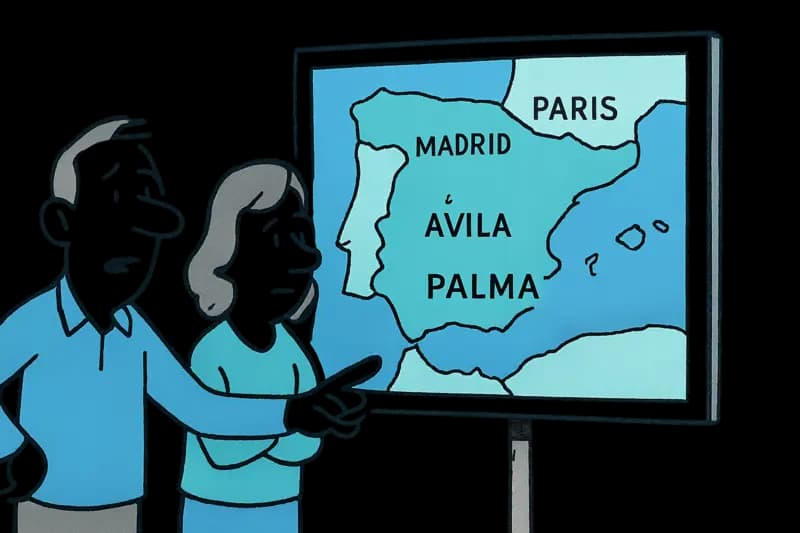
Advertising poster relocates Palma to the mainland - what the mistake says about us
An advertising poster for flights from Andorra shows Palma on the Spanish mainland. Why such an error occurs, what is mi...
Who Protects Valldemossa's Charterhouse? A Construction Site That Leaves More Questions Than It Opens
Two new entrances in the Claustre de les Murteres have pitted the administration against the opposition. Who authorized ...
Between Runway and Keel: How Boatbuilding Lives in Son Bonet, Mallorca
In the small Son Bonet airport, craftsmen preserve the island's boatbuilding tradition: restoration work, woodworking gu...
More to explore
Discover more interesting content

Can Cap de Bou

Townhouse Lleo 72
