
New Jungle Drama from Mallorca: Who Benefits from a Replacement?
New Jungle Drama from Mallorca: Who Benefits from a Replacement?
Peter Klein, known on Mallorca as a singer and tradesman, is reportedly on standby as a replacement for the jungle camp. An Instagram post by his ex-wife Iris has stirred attention again. A review with a critical question: What is missing from the public discourse about such castings and the consequences for people on the island?
New Jungle Drama from Mallorca: Who Benefits from a Replacement?
Key question: What are the consequences of the spectacle for those affected — and for Mallorca as the stage for the accompanying stories?
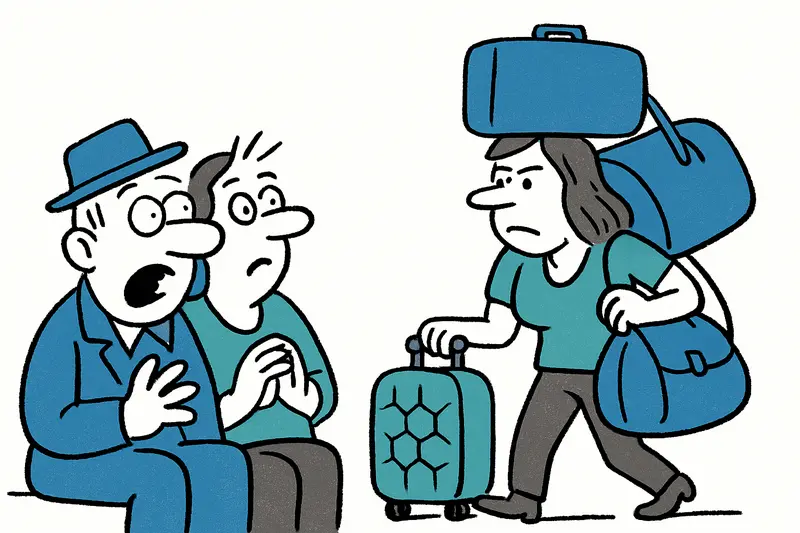
The facts are simple: Peter Klein, 58, lives on Mallorca, works as a tradesman and performs as a singer. He is said to be on standby as a possible replacement for the Australian jungle camp. His ex-wife Iris posted a photo from the airport — heavily laden, next to her new partner — and once again attracted attention. From such fragments, a whole soap-bubble island quickly forms and washes across the island.
Critical analysis: Reality TV thrives on unpredictability and personal drama. A replacement contestant is by definition there to step into the media theatre at short notice. For Peter Klein that means: to publicly jump into a format within hours that relies on stress tests, provocations and intense observation. For the people around him — ex-partners, new relationships, the family on Mallorca — this means unwanted spotlights, rumours and press access that no one controls.
Who benefits? The production company and the format, which advertise with maximum tension. The contestants, if they gain campaigns, reach or short-term income. And the tabloid machinery that weaves continuous narratives from single images, as described in When Old Feuds Become Mallorca Fodder: What 'The Reckoning' Does to the Island. Losers are often the people whose private headlines collide without them being really asked how far they want to play along.
What is missing from the public discourse: transparency. There is a lack of clear information on contract terms for replacements: How long are the gaps between signing a contract and departure? What health and psychological support is guaranteed? Who pays for reputational damage when private accusations are used as "material" in the show? In Mallorca, where neighbours, pub owners and local event organisers know the actors, people often only laugh about the headlines — not about the system that produces such constellations.
Everyday scene from Mallorca: In the morning on Passeig Mallorca 9A the café bar smells of fresh espresso, a bus rattles by, a tradesman pushes a toolbox up the street. Such small images on the coast are quickly drowned out by the loud sirens of tabloid attention — and yet they are the same people: singers, tradesmen, ex-partners who sit in the same bars in the evening and continue the conversation quietly. The island is stage and living room at the same time.
Concrete solutions: 1) Clear information obligations: production teams should make transparent before contract signing which scenarios are possible (e.g. short-notice deployment as a replacement) and what support exists in emergencies. 2) Psychological care: mandatory pre- and post-support by independent psychologists for all participants, including replacements. 3) Reputation management rules: mechanisms that regulate the handling of private accusations — for example, an offer of mediation before publication. 4) Local awareness: formats should respect the local ties of participants and instruct producers to consider families and partners who are not part of the show.
Why this matters for Mallorca: People know names, faces and stories here. Stories like Why Jan Hofer is staying in Mallorca — and declining the Jungle Camp show how personal choices become public topics. A "TV incident" does not remain only on the screen; it becomes a topic in the supermarket, at the town café, at the bus stop. When production decisions put people into bright spotlights at short notice, it affects the social neighbourhood. Responsible casting would reduce the risk that an entire island becomes a sideshow in a foreign entertainment show.
Punchy conclusion: Fame and private life are not separated on Mallorca — they share the same streets. A replacement like Peter Klein is more than a "spare part" for television; he is a person in a web of relationships. If we continue to celebrate only the headline, we overlook the mechanics behind it. A bit more transparency, binding support and respect for the surrounding community would not take the spice out of the spectacle — but it would reduce the risk of collateral damage.
One practical tip for the neighbourhood: When the hype comes, the local bar at Plaza de Cort or the small music stage in El Terreno will be back in the spotlight. Local performers and figures, sometimes covered in pieces such as From the Harbor to the Penance Camp: Jörg Dahlmann's Next TV Chapter, can amplify attention. A calm chat with those affected, an invitation for coffee instead of premature memes — sometimes the human reaction is more effective than any media critique.
Frequently asked questions
How does reality TV drama affect people living in Mallorca?
What is a replacement contestant in reality TV?
Why do Mallorca celebrities end up in the tabloids so often?
What should contestants know before joining a jungle camp show?
How can reality TV affect families in Mallorca?
Is Mallorca just a backdrop for celebrity news?
What kind of support should reality TV participants receive?
Why do small details from Mallorca become big media stories?
Similar News
Injured captain, big plans: Germania Mallorca before the away match in Consell
The newly founded FC Germania Mallorca travels to Consell on Saturday. Captain Bastian Müller is out injured, but coach ...
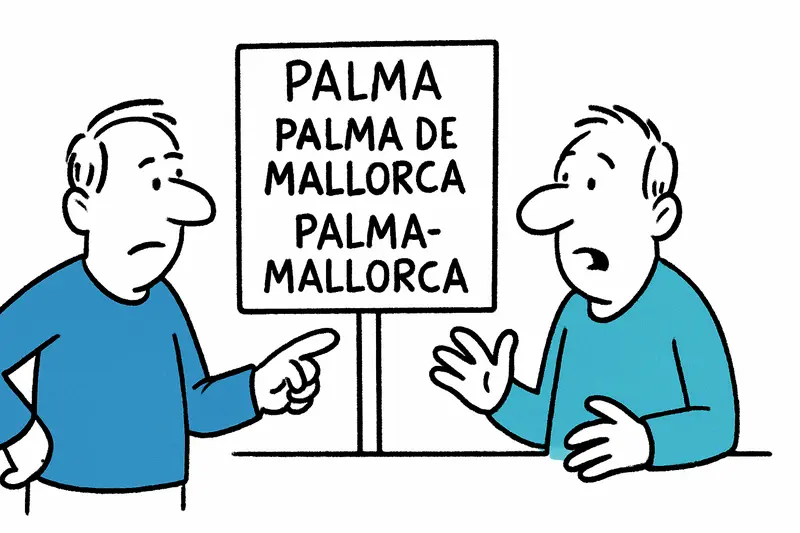
Palma, Palma de Mallorca, Palma‑Mallorca: What is it really about?
The debate over the city's name is more than grammar: it concerns identity, law and branding policy. A sober reality che...
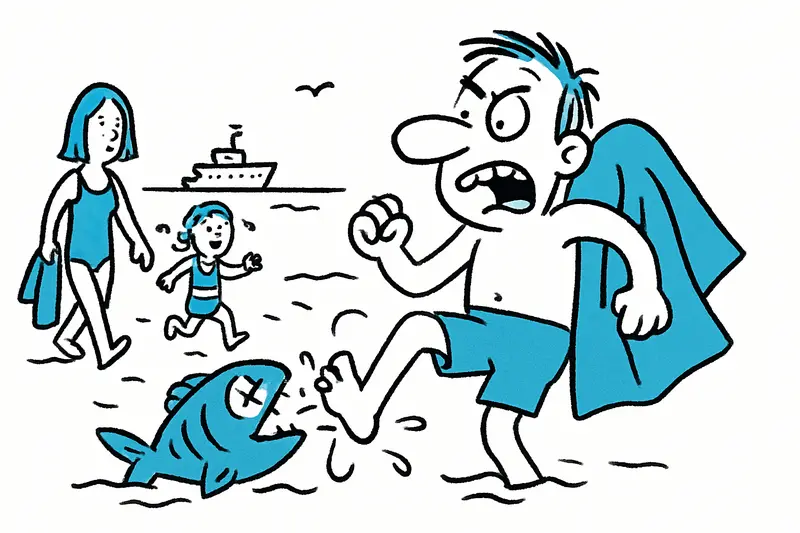
Warning to Bathers: Nipping Fish in Cala Major and Other Coves — a Reality Check
In Cala Major and several beaches around Mallorca, bathers report painful “nips”. Who are the animals, why are they gett...

Rental Car Theft in El Arenal: What This Incident Reveals About Our Gaps
A teenager steals a running rental car in El Arenal, flees on foot, climbs over walls and is caught by the Guardia Civil...
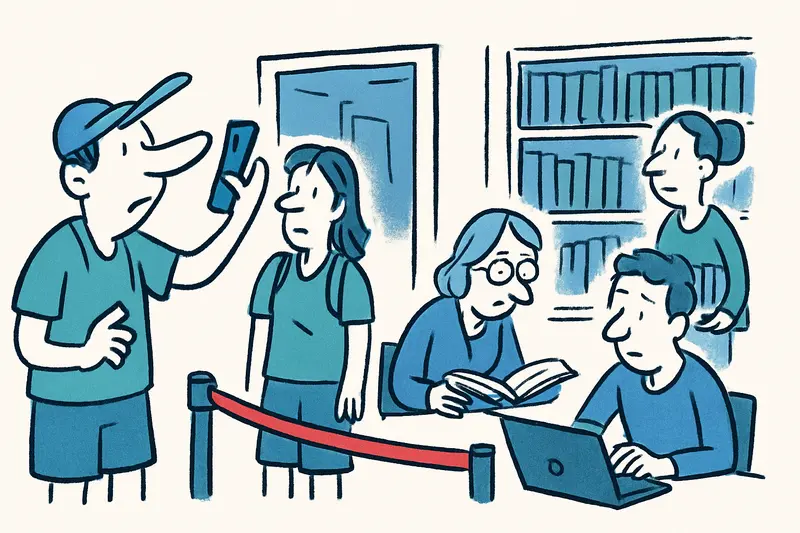
Red Rope in Palma's Library: What Helps Against Selfie Tourism — and What's Missing
Palma's city library cordoned off an area with a red rope to keep selfie tourism away from reading and working activitie...
More to explore
Discover more interesting content

Can Cap de Bou

Townhouse Lleo 72
