
When the Kiosk Disappears: Palma's Little Kiosks Between Tradition and Planning
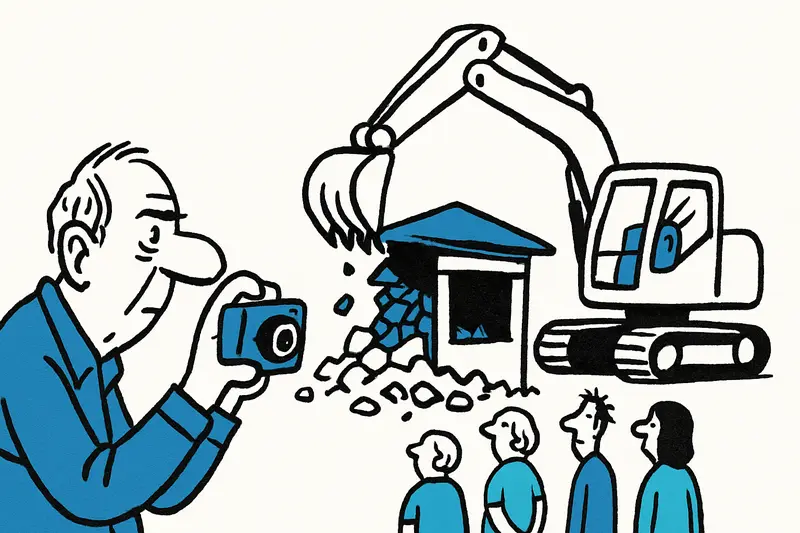
An excavator digs a hole where the morning murmur of a kiosk used to be. Is Palma's modernization a gain for public space — or a loss of everyday culture?
Excavators Instead of Morning Coffee: A Morning at Plaça Alexandre Jaume
Around eight o'clock it sounded like staccato: metal on stone, the regular snap of a chisel, mixed with the scent of freshly brewed coffee and the scuffle of sandals on the Passeig. Where a small kiosk stood for years — newspapers, collectible cards, a quick chat — there is now a gap in the paving. Residents stopped, took out their phones as if someone were ripping up an old family photo; many consulted local news about Palma kiosks. For many, that is exactly what happened: a piece of everyday life disappears.
The Key Question: Modernization — Gain or Loss of Identity?
The city administration argues for more space, better order, and a more modern design. But the central question remains: what price is Palma paying for this new face? Kiosks here are not just sales booths; they are small social hubs that have helped shape the rhythm of neighborhoods for decades. If the quality of public space is measured only in square meters and materials, the invisible infrastructure — conversations, small acts of help, glances that stay on the street — risks being run over.
More Than Newspapers: The Underestimated Role of Kiosks
Anyone walking along the Passeig in the morning sees more than a little hut: a pensioner picking up her paper, teenagers with Panini packets, commuters stopping for a quick milky coffee. These routines connect people; they create presence and habit. Modernization by operators can bring benefits — clean facades, uniform designs — but also rules that limit offerings. A hot coffee? Often banned to avoid competition with nearby cafés. Yet that small coffee is often part of the daily encounter, an issue echoed in coverage about Palma kiosks and municipal standards.
What Planning Often Misses: Diversity, Accessibility, Informal Safety
Architects and planners like to talk about benches, lighting, and planting islands. Rarely on the agenda, however, is how small businesses reach older people, how an open kiosk window enlivens the street, or how the presence of a vendor at night puts more eyes on the square. This informal safety is produced by people, not design alone. If it is missing, places can become more photogenic but emptier and less lively.
Economic Pressure and the Risk of Homogenization
Behind the aesthetics often lies an economic calculation: operators expect returns, rents rise, concession conditions become stricter. Small, independent owners come under pressure. The result is a loss of entrepreneurial diversity — in favor of homogeneous, well-styled but soulless urban aesthetics. The consequence: fewer spontaneous purchases, fewer side incomes for families, and fewer places to pause briefly.
Little Noticed: Barriers for Older and Mobility-Impaired People
When kiosks disappear or are moved to centralized, less accessible locations, the consequences often hit older and mobility-impaired people first. A quick chat with the vendor, help handing over change, or asking for directions — all of that disappears. Wheelchair-friendly access, low counters, and clear routes are often not priorities in image-focused planning concepts but are part of lived accessibility.
Concrete Opportunities: How Palma Can Combine Modernization and Everyday Culture
There are practical ways out of the dilemma. Pilot permits for mixed operations could, for example, allow kiosks to offer limited hot drinks and small snacks at certain times — preserving the morning routine without permanently harming cafés. Protection categories for “everyday objects worth preserving” could legally secure individual huts, similar to how small monuments are protected. More modular kiosk systems that can be moved and adapted to needs would create flexibility.
Other building blocks: real citizen participation before demolition or relocation decisions, financial support for modernization costs, flexible concession models that favor local initiatives and cooperatives. A simple but effective model: cooperations with neighborhood associations — one association runs the kiosk on a morning, local youth groups in the afternoon. This keeps the place a meeting point and a social anchor, as noted in Spanish-language reporting on Palma kiosks.
What Remains — and What We Risk
The hole in the paving at Plaça Alexandre Jaume is more than a construction site. It is a warning sign: if planning focuses only on appearance, Palma risks becoming quieter. Beautiful squares, yes — but without the people who bring them to life, they are just scenery. The challenge for the city is to combine aesthetics with everyday function and to recognize the ordinary as worth protecting.
Conclusion: Modernize, yes — but with restraint. Whoever reorganizes public space must keep an eye on the invisible services that truly make it livable.
Frequently asked questions
Why are some kiosks disappearing in Palma?
Are kiosks in Mallorca still allowed to sell coffee or snacks?
What do kiosks add to daily life in Palma?
Is Palma becoming less lively when kiosks close?
What happened at Plaça Alexandre Jaume in Palma?
Why are kiosks important for older people in Mallorca?
Can Palma modernize public spaces without losing local character?
What is the future of small kiosks in Palma?
Similar News
When Housing Becomes a Matter of Survival: Mallorca Between Rental Frenzy and Everyday Life
The case of 87-year-old Maricarmen showed that on Mallorca many people's lives are poised between affordable and uninhab...
Autumn in Mallorca: When Melancholy Gets a Window
Why autumn quietly tightens here — and how to make use of the mood: walks, culture, candles and the light from Palma to ...
Near-miss on Lanzarote: Landing Ryanair Jet and Iberia Takeoff — what really went wrong
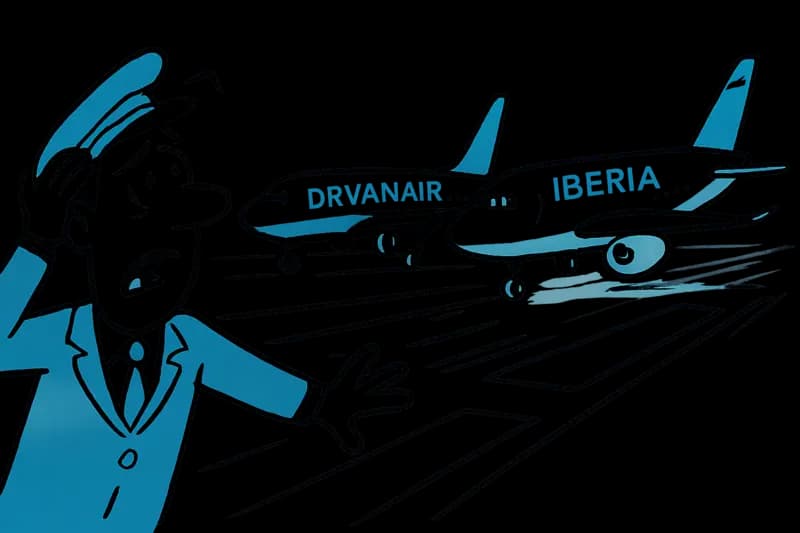
On Lanzarote there was a dangerous incident: A Ryanair flight (FR5910) from Dublin landed on runway 03 while an Iberia E...
Eurowings introduces new Premium Business seats on Mallorca routes
From December 1, selected Eurowings flights to Palma and other destinations will feature eight particularly generous sea...
Car on MA-13 near Inca in flames – a safety check for the island
A vehicle caught fire on the MA-13 towards Alcúdia on Tuesday afternoon. The driver was uninjured, the car was destroyed...
More to explore
Discover more interesting content

Can Cap de Bou

Townhouse Lleo 72
