
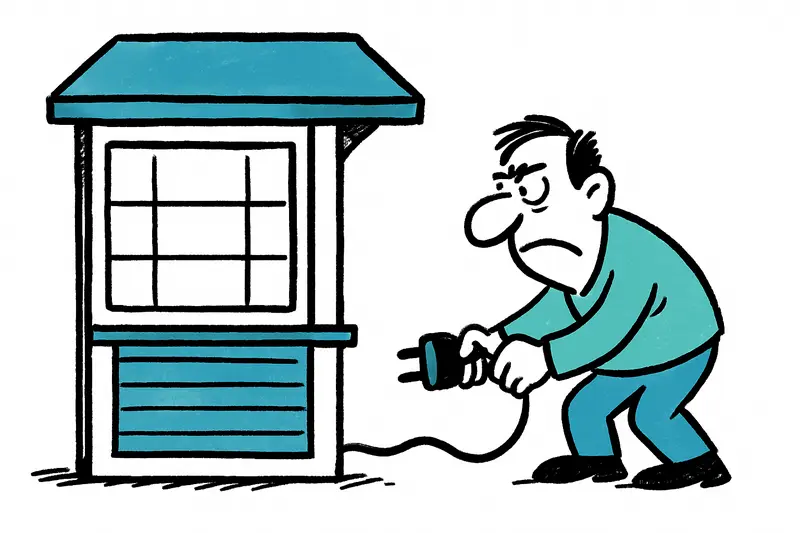
Palma's new kiosks closed again: When city standards override neighborhood life
Five newly renovated kiosks in Palma close after only one year. A conflict between municipal regulations and small-business pragmatism is causing a piece of everyday culture to disappear. What went wrong — and how could the city respond?
Palma's freshly renovated kiosks close after only one year
A year ago the stalls shone like in a brochure: new colours, modern display cases, photos for the city's leaflet. Now Five municipal kiosks in Palma, reinstalled in 2024, are set to close at the end of September 2025. The tenants announced they will not renew their leases and will clear the stalls at the end of this month. For the neighbourhood this means not just the loss of a business but of a small daily meeting point.
The central question: social service or revenue source?
At the core lies a guiding question that has so far not been debated loudly enough in Palma: should municipal kiosks be understood and supported as social meeting places — or must they behave like ordinary shops and generate rental income? The answer determines how strict public procurement rules are drawn up and what economic leeway operators receive.
Why the project failed: rules that choke off revenue
The operators report a bitter balance sheet: months of red figures, own capital exhausted, an expected total loss in the mid six-figure range. Particularly problematic were the conditions: hot drinks like cappuccino or hot chocolate were banned so as not to disadvantage nearby cafés. ATMs or parcel lockers, which had promised additional income, were not installed. And practically: some stalls had no running water — a simple obstacle that makes a snack offer de facto impossible, as documented in When the Kiosk Disappears: Palma's Little Kiosks Between Tradition and Planning.
Ignored realities: operating costs, seasonality, customer behaviour
What is rarely visible in tender documents: operating costs are not just rent and electricity, but also staff, cleaning, insurance and the creeping seasonality of customers. In summer tourists may briefly boost turnover, but many kiosks live off regulars: pensioners, market women, gardeners who stop by the square in the morning for a chat. If these steady revenues are insufficient, a smart display case helps little.
The places that will be missed: Bar Bosch, Plaça Mercat, Olivar, Plaça Progrés
The affected stalls stood on familiar corners: in front of Bar Bosch, at Plaça Mercat, by Mercat de l'Olivar and at Plaça Progrés. Anyone walking there in the morning knows the soft clatter of newspaper stacks and the smell of wet pavement after a short autumn rain. For many these kiosks are more than mere points of sale — a quick chat, cash in a handbag for the market, a frequent meeting place for neighbours.
Who is hit? Small entrepreneurs and neighbourhoods
Small operators had hardly any room to manoeuvre. The rules are understandable when it comes to fairness towards cafés; yet they feel rigid when they completely undermine a business concept. A local café owner at the square dryly commented that life for cafés will not become easier because of the closures — but kiosk operators also need breathing space. The balance was missing.
Suggestions instead of resignation: How Palma could respond
The current situation offers the chance to rethink tendering and management models, as illustrated by initiatives like When Offices Go to Sleep: Palma's Plan to Revive the Old Town.
1. Flexible operating concepts: Instead of rigid bans, time-limited exceptions could be tested — for example, restricted coffee service only during certain hours.
2. Hybrid financing: Promote kiosks as social infrastructure with a lower base rent and a performance-based revenue share. This way the city would take on part of the risk.
3. Technical upgrades: Investments in water connections, electricity and modular attachments could enable higher revenues in the long term.
4. Experimental concessions: Short-term models for local initiatives, weekend markets or cultural pop-ups to test new uses.
5. More citizen participation: Residents, market traders and older users know everyday needs — their voice should count more in future tenders.
A quiet lesson
The farewell of the kiosks is quieter than their reopening a year ago. Perhaps Palma now needs less concrete and more conversation — with operators, residents and café owners. The cityscape is not just a facade; it is the voices in the early morning, the rustle of the newspaper, the smile before work begins. If the administration wants such places to remain, it must be willing to relax rules where they stifle life and treat local meeting points as a service, not just a source of income.
Anyone who walks past the square in the morning and sees the empty plinth in front of Bar Bosch will notice that a small step in daily life is missing. Whether Palma learns from this will show how the city handles the coming winter.
Frequently asked questions
Why are the municipal kiosks in Palma closing again?
What makes a kiosk in Mallorca hard to run as a small business?
Can you buy hot drinks at Palma kiosks like cappuccino or hot chocolate?
Which kiosk locations in Palma are affected by the closures?
Why do Palma kiosks matter to neighbourhood life?
What practical problems can make a kiosk in Mallorca unworkable?
What could Palma do differently to keep municipal kiosks open?
Are Palma kiosks mainly meant to make money for the city?
Similar News
When Housing Becomes a Matter of Survival: Mallorca Between Rental Frenzy and Everyday Life
The case of 87-year-old Maricarmen showed that on Mallorca many people's lives are poised between affordable and uninhab...
Autumn in Mallorca: When Melancholy Gets a Window
Why autumn quietly tightens here — and how to make use of the mood: walks, culture, candles and the light from Palma to ...
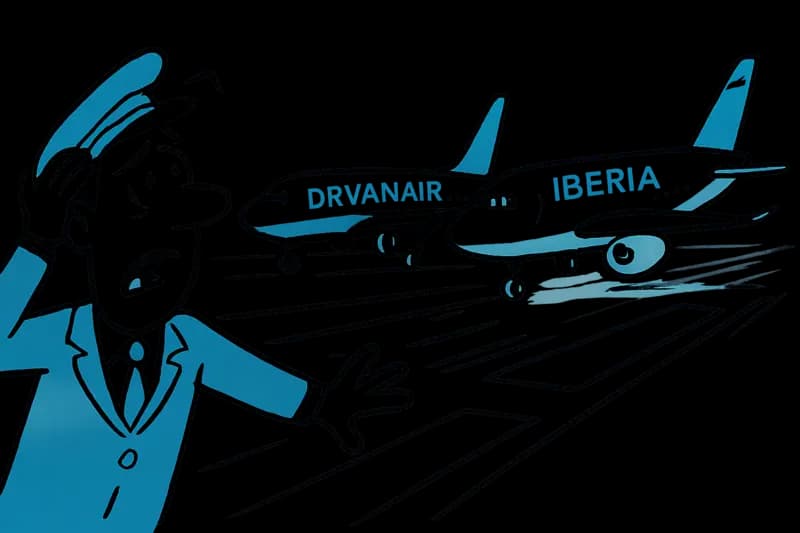
Near-miss on Lanzarote: Landing Ryanair Jet and Iberia Takeoff — what really went wrong
On Lanzarote there was a dangerous incident: A Ryanair flight (FR5910) from Dublin landed on runway 03 while an Iberia E...
Eurowings introduces new Premium Business seats on Mallorca routes
From December 1, selected Eurowings flights to Palma and other destinations will feature eight particularly generous sea...
Car on MA-13 near Inca in flames – a safety check for the island
A vehicle caught fire on the MA-13 towards Alcúdia on Tuesday afternoon. The driver was uninjured, the car was destroyed...
More to explore
Discover more interesting content

Can Cap de Bou

Townhouse Lleo 72
