
When Locals Shop Cheaper: Who Bears the Tourist Surcharge in Palma?
When Locals Shop Cheaper: Who Bears the Tourist Surcharge in Palma?
In Palma, more and more shops offer discounts exclusively to residents. Is this fair neighborhood support or covert two-tier pricing? A reality check from the old town.
When Locals Shop Cheaper: Who Bears the Tourist Surcharge in Palma?
Leading question
Is the practice of offering residents in Palma deliberately lower prices a legitimate means to counter displacement — or does it violate EU rules and, ultimately, basic principles of consumer fairness?
Critical analysis
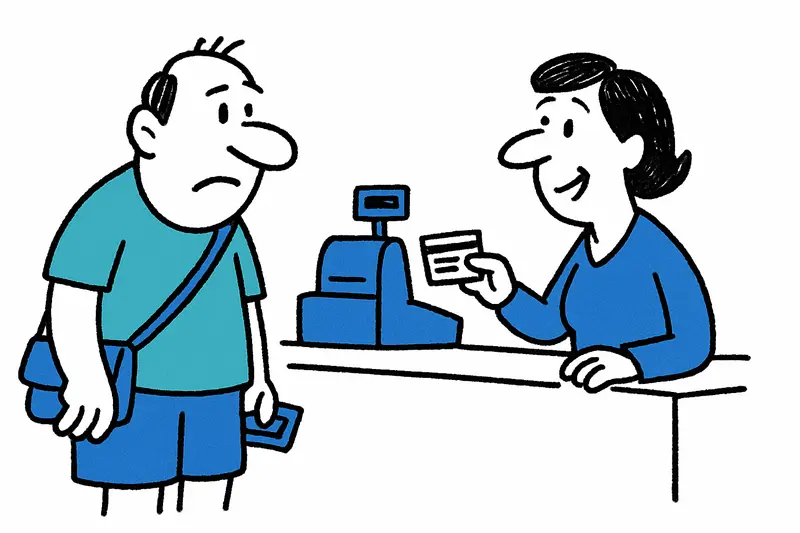
In the alleyways of the old town a pattern has emerged: cafés, restaurants and small shops openly advertise discounts for people who live here. Some businesses write the discount directly on the shop window, others grant it only on a fixed "neighborhood day", and still others discreetly address customers at checkout. Concrete examples from the city center range from small patisseries to a barbecue kitchen, sweet shops and wellness services; discounts are usually between five and twenty percent.
At first glance this seems sensible: businesses under price pressure from tourism try to win back regular customers. But the implementation raises problems. If a discount depends solely on a casual declaration — "I'm from here" — it creates room for arbitrariness and discretion. Those who speak fluent Spanish often appear more familiar; those who look conspicuously touristy automatically pay more. Thus the problem of rising prices shifts from transparent measures to informal selection at the till.
What is missing from the public debate
The debate so far has focused mainly on describing symptoms: prices rise, locals feel excluded, as discussed in Why Palma is raising beach prices — who ultimately pays the surcharge?.
Much less discussed is how such resident discounts must be designed in order to be legally and socially acceptable. There is a lack of public discussion about proof models, about metrics for "local need", and about the role of the city administration, which could regulate or make this practice transparent. Also rarely debated are the consequences for visitors' trust and the long-term reputation of Palma as a shopping destination, an issue reflected in reporting on local beach pricing pressures in Price shock at Playa de Palma: Who pays for the beach?.
Everyday scene from Palma
Imagine the corner of Carrer de Sant Miquel just after nine in the morning: delivery bikes buzz by, the smell of freshly brewed coffee mixes with sweet pastries. A regular customer slips her ID through the open cashier window — six percent is deducted. Two tables over, tourists loudly complain about an expensive breakfast bill. Such small scenes repeat: a quiet doubt here, a wink-and-explain there, and the bustling, bright old town becomes a test of everyday fairness.
Concrete solutions
Transparency is the first step: discounts for residents must be clearly signposted, explained in writing and tied to objective criteria. Suitable proofs could include documents such as the empadronamiento certificate; the city or the chamber of commerce could introduce a small, tamper-resistant resident badge that is updated seasonally. Second, there should be a simple reporting office at the municipality's Consumer Office (Oficina de Consumo) where both visitors and locals can raise disputes. Third, discount systems should be limited in time and scope — for example as a temporary measure for businesses in streets particularly frequented by tourists.
In addition, the administration could tie tax incentives or grants to businesses making their pricing public. Finally, a code of conduct for tourist shopping areas would be useful, developed by the city administration, trade associations and consumer groups. It could set minimum standards for transparency, proof requirements and complaint procedures — and thereby restore a degree of fairness, following proposals similar to the temporary resident campaigns described in Palma per tú: Who really benefits from the winter offer?.
Why this matters
It is not just about a few percentage points. If price differences between "local" and "tourist" create loopholes for arbitrariness, they undermine the sense of equal treatment in a public space that belongs to the whole city community. Tourism is a major economic factor, but it must not become a free pass for non-transparent pricing policies.
Key takeaway
Resident discounts are understandable — but without clear rules they turn the checkout into a divider between "those who live here" and "those who are visiting." The city can ensure that solidarity with neighbors is not sold at the expense of fairness for all by introducing clear guidelines, proof systems and an easy complaint mechanism.
Frequently asked questions
Why do some shops in Palma give locals cheaper prices than tourists?
Are resident discounts in Mallorca legal if tourists pay more?
How can locals in Mallorca prove they qualify for a resident discount?
What should tourists in Palma expect if a shop offers local-only discounts?
What can I do if I think a Palma discount policy is unfair or unclear?
How do resident discounts affect shopping in Palma’s old town?
What kind of proof system would make local discounts in Mallorca fairer?
Can Palma regulate tourist-area discounts to make pricing more transparent?
Similar News

When the Wallet Becomes a Danger: Attack in Peguera and Lessons for Mallorca
In Peguera, two women are said to have stolen the wallet from a 75-year-old German couple. When the victim intervened, t...
Plata stays Plata: Young people take over, Llonguets remain
A small bar on Carrer de l'Argenteria will continue: Tolo Serra hands the place over to young Mallorcans at the end of t...
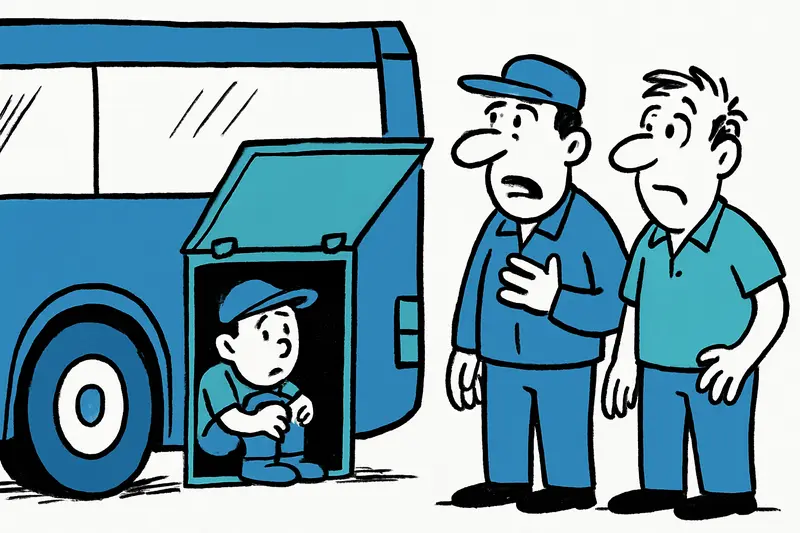
Unnoticed in the Luggage Compartment: How a Boy Traveled More Than 100 Kilometers in a Team Bus
A minor traveled in the undercarriage of a team bus for more than 100 kilometers until his cries for help were heard. A ...

Cap Vermell Grand: Second Michelin Key – a Gift for the East
The Cap Vermell Grand in Capdepera has been awarded its second Michelin key. For the region this elevates the luxury off...
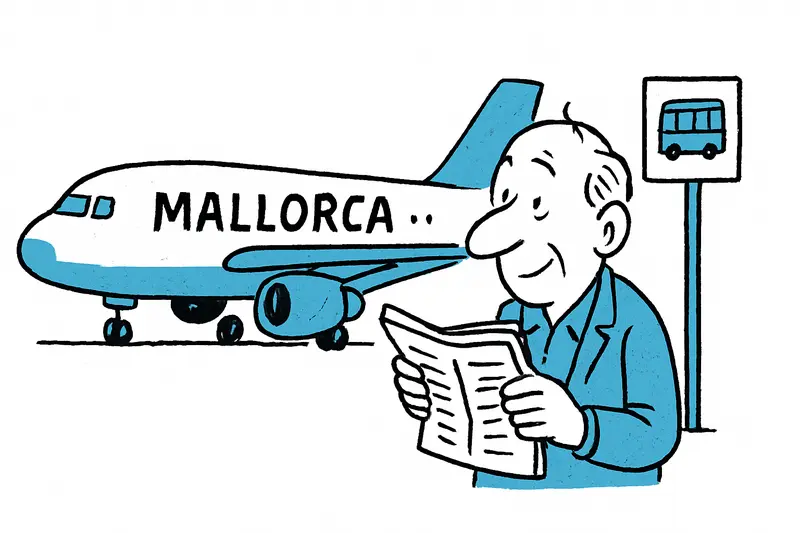
Eurowings lets four aircraft carry names – a friendly idea that also reaches Mallorca
Eurowings is launching a campaign: four Airbus A320s are to carry the first names of people who help others in everyday ...
More to explore
Discover more interesting content

Can Cap de Bou

Townhouse Lleo 72
