
Rapid Help Instead of Helplessness: Hotel Association and Consulates Strengthen Psychological Support in Mallorca
Rapid Help Instead of Helplessness: Hotel Association and Consulates Strengthen Psychological Support in Mallorca
Hoteliers, 29 consulates and the Balearic psychologists' association are networking in Playa de Palma to act more quickly, clearly and humanely in cases of psychological emergencies involving guests and international staff.
Rapid Help Instead of Helplessness: Hotel Association and Consulates Strengthen Psychological Support in Mallorca
A new cooperation at the holiday destination should offer concrete support to tourists and international employees
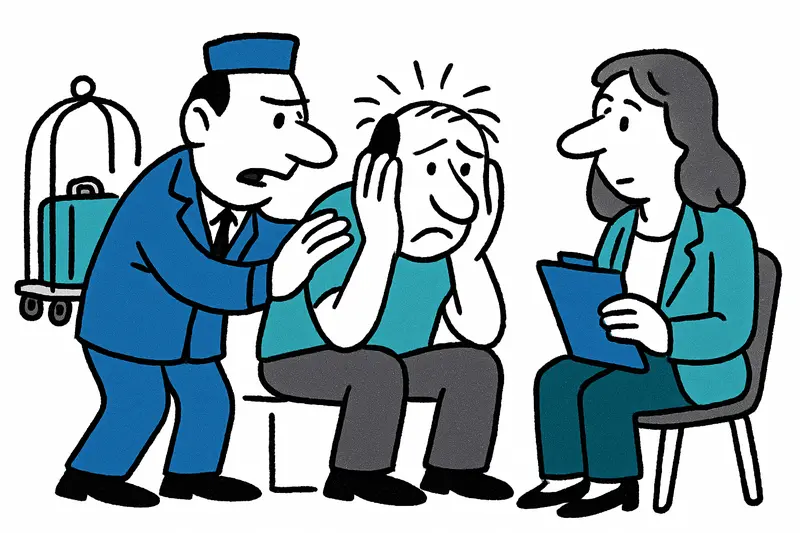
At the Aubamar Congress Center at Playa de Palma this week a practical problem was addressed that many here have experienced before: an unsettled guest, a speechless employee, an emergency in which no one quite knows who should help first. Amid the clinking of espresso cups and the wheels of luggage trolleys, representatives from the hotel industry, consulates and the official psychologists' association of the Balearics met to change exactly that.
Background: 29 consulates were represented, plus 23 local hotel associations, which together represent almost 870 establishments and around 202,000 beds. In the Balearics a total of 41 consulates are active; the hotel structure accommodates around 70 percent of visitors — that is about 13 million people per year. Such dimensions make clear how often personnel-intensive, sensitive moments can occur.
FEHM president Javier Vich described the intention thus: instead of individual contacts there should in future be coordinated procedures. That is a sober but important shift — away from the improvised "Who calls whom?" toward clearer responsibilities. The vice president of the association structure, María José Aguiló, brought up everyday cases: from lost documents to medical emergencies to situations in which staff from abroad need support, which ties into a practical guide for expats settling in Mallorca. This practical focus helped make the discussions tangible.
A central point: the psychological component in crisis management. Iraïs Seguí from the official psychologists' association and a member of the intervention groups for psychological emergencies (GIPEC) reminded those present that immediate psychosocial care, transparent follow-up and humane accompaniment often make the difference — not only for tourists but also for staff who must remain professional in these moments, and this aligns with the Balearic plan to place 25 psychologists in primary care.
What is concretely good about this round: first, it emphasizes networking. Consulates, which know legal and consular pathways, sit at the table with hoteliers who manage procedures on site. Second, it identifies concrete problem areas: documents, vulnerability, medical coordination, foreign workforce. And third, it plans for sustainability: the meeting is to be repeated annually and accompanied by a steering committee that evaluates results after the season.
An observation from everyday life: at a hotel reception in Portixol, a flyer in several languages, a phone number and a clear procedure are often enough — that calms guests immediately. Such small tools, coupled with a reliable network structure between hotels and consulates, quickly have an effect. In many establishments a short, targeted action is enough to turn panic into coordinated help.
And why is this good for Mallorca? Because safety and care are part of the visitor offering. When guests know that someone is reachable in an emergency, not only does immediate well-being improve but also the island's image as a reliable travel destination. Such preparedness can prevent or mitigate incidents like the Nuremberg Airport incident where a passenger became physical. For employees it means: less uncertainty, clearer reporting chains and better support for burdens that arise from working in an international environment.
Looking ahead: the participants discussed practical steps that can now be implemented — joint guidelines for receptions, multilingual information materials, quick access to psychological first interventions and fixed contact channels to consulates. Such measures do not require large investments; above all they need some organization and regular practice.
At the end of the day, when the sun sets behind the hotels on Playa de Palma and the buses pick up the last guests, one feeling remains: not only was there talk, but a foundation was laid so that people in difficult moments do not fall into the void. This is not a spectacular headline, but precisely what counts on the ground — reliable help that arrives.
Outlook: The annual repetition of the meetings and the work of an accompanying committee can bring very concrete improvements in the long run. Those working at reception, visiting Mallorca or employed here can expect simpler procedures and clearer points of contact in the coming months.
Frequently asked questions
What should I do in Mallorca if a hotel guest has a medical or psychological emergency?
How are Mallorca hotels improving support for stressed or frightened guests?
Why are consulates working more closely with hotels in Mallorca?
What kind of psychological support is available in Mallorca during a crisis?
What should expat staff in Mallorca do if they need help at work?
Is there a clear emergency contact system for hotels in Playa de Palma?
How many hotels and beds are involved in Mallorca’s new support network?
Will Mallorca hotels have clearer procedures for emergencies in the future?
Similar News

When the Wallet Becomes a Danger: Attack in Peguera and Lessons for Mallorca
In Peguera, two women are said to have stolen the wallet from a 75-year-old German couple. When the victim intervened, t...
Plata stays Plata: Young people take over, Llonguets remain
A small bar on Carrer de l'Argenteria will continue: Tolo Serra hands the place over to young Mallorcans at the end of t...
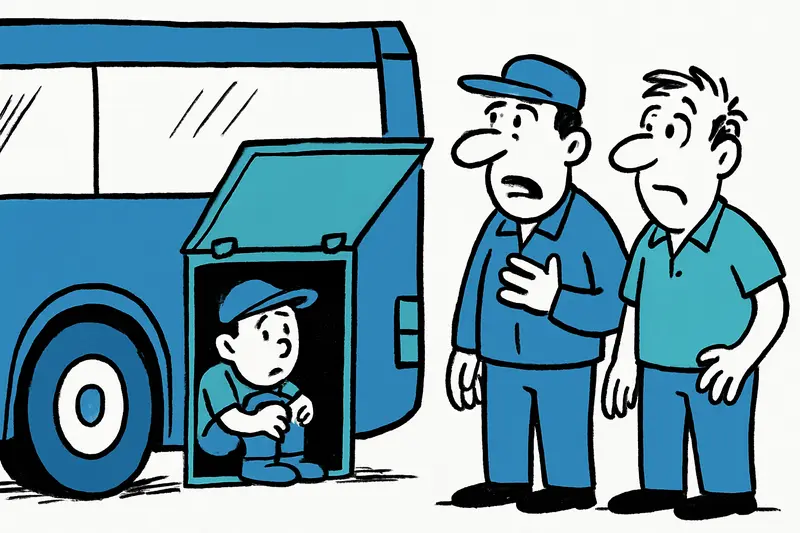
Unnoticed in the Luggage Compartment: How a Boy Traveled More Than 100 Kilometers in a Team Bus
A minor traveled in the undercarriage of a team bus for more than 100 kilometers until his cries for help were heard. A ...

Cap Vermell Grand: Second Michelin Key – a Gift for the East
The Cap Vermell Grand in Capdepera has been awarded its second Michelin key. For the region this elevates the luxury off...
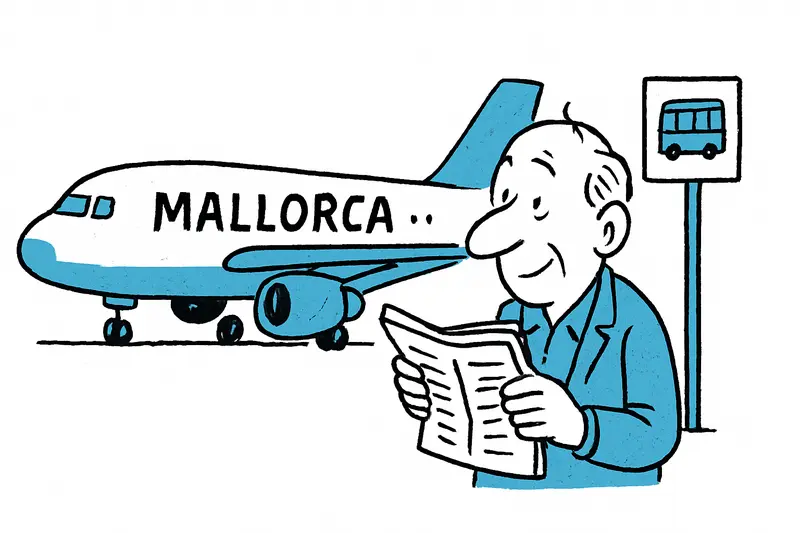
Eurowings lets four aircraft carry names – a friendly idea that also reaches Mallorca
Eurowings is launching a campaign: four Airbus A320s are to carry the first names of people who help others in everyday ...
More to explore
Discover more interesting content

Can Cap de Bou

Townhouse Lleo 72
