
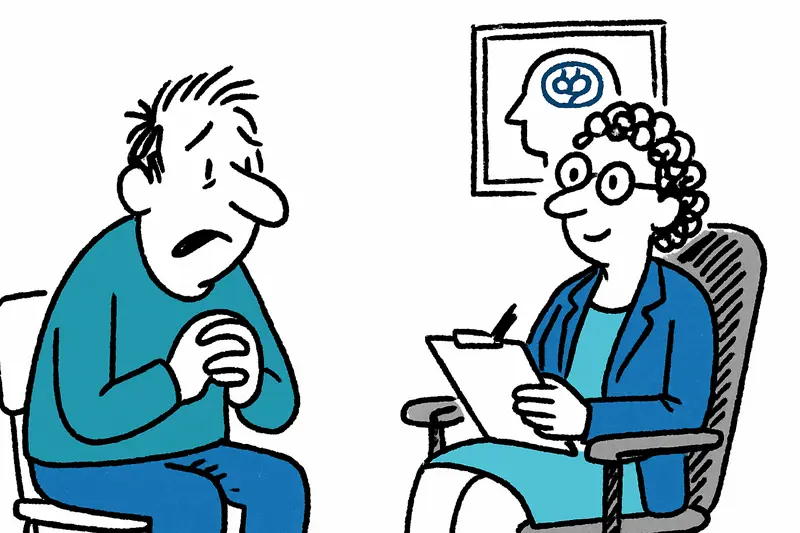
More psychological help — but is it enough for Mallorca?
The Balearic Islands plan to place 25 psychologists in primary care — nine for Mallorca. Good news, but is the service sufficient for villages, seasonal workers and aftercare?
More psychological help — but is it enough for Mallorca?
In the early morning, when the first café con leche in front of the Plaça de Cort is still steaming and the buses quietly puff along the Passeig, the announcement sounds like a small sigh of relief: From mid-October, more psychologists are to work in the Balearic health centers. In total, 25 specialists are to be active in primary care, and the regional government is providing around €16 million, as reported in Las Baleares refuerzan la atención psicológica en los centros de salud — 16 nuevos profesionales, nueve de ellos en Mallorca.
What exactly is planned?
The goal sounds clear: By 2026, psychological support should be offered in all health centers. In cities like Palma, Manacor or Alcúdia, appointments should become easier to obtain — provided the distribution of positions, opening hours and organizational processes are appropriate. The smell of coffee in the waiting room at the cathedral square suddenly feels more optimistic. Whether the queues on the bulletin board will actually get shorter remains to be seen — a development that follows other health expansions such as the approval of 35 new pharmacies in the Balearic Islands.
Key question: Does this model serve the islands fairly?
The simple answer is: not automatically. Mallorca is more than the old town and the promenade. Behind the mountain ranges lie villages where the routes to the Centro de Salud are longer and bus connections scarcer. Nine additional staff for the whole island sounds good — but spread across dozens of centers, each location often gets very little time. In places like Campos or Sencelles, this can quickly mean reduced consultation hours, morning appointments that are hard to reconcile with work schedules or school obligations. The clock may be running, but not at the right time for many people.
Which problems are often overlooked?
First: language and culture. Mallorca is international: tourists, seasonal workers, older residents who speak German — psychological help must be accessible in multiple languages. Second: integration with general practitioners, hospitals and social services. Without clear interfaces, duplicate assessments or gaps in aftercare threaten. Third: spatial and data privacy issues. Are the rooms in the centers quiet and discreet enough for sensitive conversations? Can a conversation really be confidential if prescriptions are being handed out in the same corridor?
Underestimated consequences
If these aspects are not considered, the help often remains effective on paper but fragmented in reality. In the short term there may be fewer referrals to specialist clinics — but in the long run rising follow-up costs may occur if patients are not consistently monitored afterwards or if language barriers prevent therapy. Staff retention also plays a role: those who come on fixed-term contracts and without incentives leave the island again as soon as the contract ends. Similar strains were visible when Balearic clinics prepared by mobilizing additional beds during pressure on services.
How could the concept be concretely improved?
A few pragmatic proposals from everyday island life:
Flexible opening hours — evening appointments and Saturday slots would accommodate working people and would be practical both in Palma and in rural areas. Telemedicine can better connect remote places like Deià or Fornalutx; video sessions do not always replace face-to-face meetings but are a sensible complementary offer. Central appointment platform — a transparent online platform with waiting-time indicators prevents unnecessary phone chains and guessing games on the health center bulletin board.
Fill positions locally — incentives for psychologists living on Mallorca (housing subsidies, continuing education, career prospects) increase the chance that specialists stay longer. Language and intercultural training should be mandatory, not an extra. And clear interfaces between GPs, psychologists and hospitals (case conferences, shared records) reduce information loss.
What does this bring to patients?
In the short term it means: fewer referrals, faster initial assessments and often a stabilizing point of contact in crises. In the long term, a well-organized primary care system can ease the burden on hospitals and ensure continuity of therapy, as recommended in the WHO mental health fact sheet. While waiting in the Centro de Salud you already hear the occasional relieved “Finally” — a hint of what might be possible if planning and implementation align.
What should we watch as a community?
Transparency is crucial. Distribution of positions, concrete timetables for each municipality and a public evaluation of effectiveness must follow. Metrics like reduced waiting times, fewer crisis admissions or the accessibility of vulnerable groups should be reported regularly. Without these control mechanisms, the new structure may look better on paper while in reality only a few centers are genuinely relieved.
If you are looking for an appointment soon: ask at the Centro de Salud, check online offerings, read the notices — and keep at it. Psychological help is getting closer. Whether it reaches everyone equally will be decided here locally: in clinic corridors, on bus routes and in conversations at the café.
Frequently asked questions
Will psychological support become easier to access in Mallorca's health centers?
Is the new mental health plan enough for people living in rural Mallorca?
What kind of psychological help can patients expect at a Centro de Salud in Mallorca?
Will psychological appointments in Mallorca be available outside normal working hours?
How important are language skills in psychological care in Mallorca?
Could telemedicine help with psychological support in remote parts of Mallorca?
What could psychological support in Palma look like under the new plan?
What should patients in Mallorca do if they need psychological help soon?
Similar News
Rats in Llucmajor: Who clears the streets, who stops the infestation?
In Llucmajor rat sightings and uncollected waste have increased after rain. A local check reveals gaps in cleaning, sewe...

Who will clean up? Illegal rubbish heaps on the highway near Son Gual drive residents onto the streets
For months, construction debris and household waste have piled up along the highway between Palma and Manacor near Son G...

Amundi takes over Bikini Island & Mountain Port in Sóller – many questions remain open
The French asset manager Amundi has acquired the four-star Bikini Island & Mountain Port hotel in Sóller from an Austria...
Silvia was allowed to see the sea once more – a small farewell in Port de Soller
A team from the Balearic health service IB-Salut fulfilled a terminally ill woman's wish: one last trip to the water in ...
Magaluf: Imprisonment for Beach Club Employee after Theft of a Bag — What the Ruling Overlooks
A former dishwasher received a one-year prison sentence for stealing a Louis‑Vuitton bag. The appellate court upheld the...
More to explore
Discover more interesting content

Can Cap de Bou

Townhouse Lleo 72
