
Rental madness in Mallorca: Shed in the field for €695 — Who owns the island?
Rental madness in Mallorca: Shed in the field for €695 — Who owns the island?
A 25-square-meter shed in Maria de la Salut is listed on Idealista for €695. The uproar shows one thing: the island's housing crisis has produced absurd excesses. What can be done?
Rental madness in Mallorca: Shed in the field for €695 — Who owns the island?
Can a tool shed on a field really be offered as living space for almost €700 — and what does that say about Mallorca's housing market?
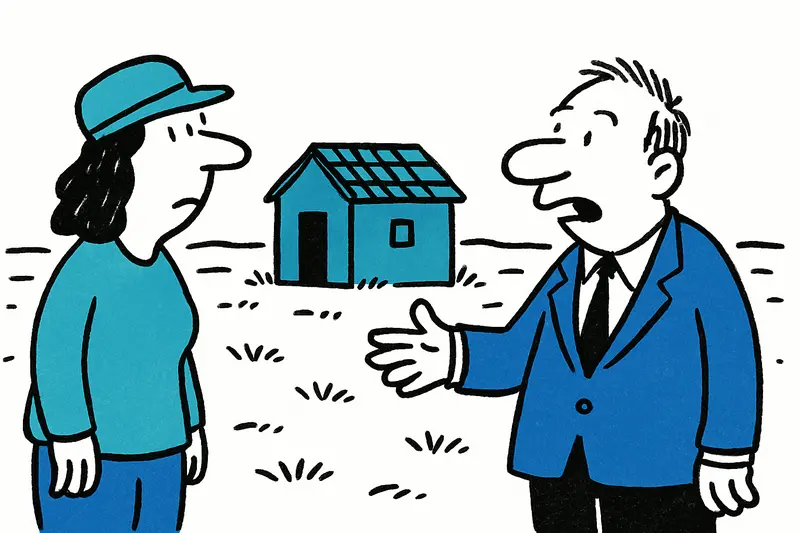
Several days ago an ad appeared on Idealista that caused head-shakes in timelines on X and in conversations on the Plaça Major of Maria de la Salut: a 25-square-meter shed, in the middle of a plot of more than 7,000 square meters, offered for €695 rent per month. Electricity via solar panels, water from the well, a wood stove, a butane-gas stove, a shower, a sofa bed — and according to the text, "garage space included."
The pictures show a small structure standing alone in the field. Some users found the listing amusing, others were angry: all this while young families at the weekly market in Inca ask whether they can still afford an apartment. You hear tractors in the streets, in the morning the air smells of freshly brewed coffee, and yet the number of absurd listings continues to rise.
Key question: How did it come to pass that a building that looks more like a tool shed is offered at a price that is unaffordable for many people on the island?
Critical analysis: First, it is clear that individual listings do not explain the market by themselves. But they are a symptom of a system in which demand, tourism interests, limited supply and ownership behavior converge. Mallorca has limited land for housing construction, high demand from abroad, massive investments in holiday apartments and a strong short-term rental economy. That drives prices — and creates conditions where every square meter suddenly seems profitable. This dynamic is also highlighted in Rent-price shock 2026: How Mallorca is heading toward a social crisis.
Another factor: the grey areas in permitted uses. A small house on rural land can, depending on its classification as agricultural use or residential property, have very different legal and tax consequences. Such loopholes allow inadequately equipped units to appear in listings and push market logic even higher; similar issues are visible in the Shadow Market in the Island Paradise: Occupied Houses in Mallorca Sold at Premium Prices.
What is often missing in public debate is concrete enforcement and control of existing rules: Who systematically checks whether a listing meets minimum habitability requirements? How transparent is the data on actual ownership structures, vacancies and changes of use? Conversations with neighbors in Maria de la Salut show that many local authorities struggle with limited staff resources; inspections are rare and often reactive rather than preventive, as recent clearance actions suggest in Manacor clears settlement: When rental profits push people into shacks.
Everyday scene: On a Tuesday morning in Palma, Passeig Mallorca, a young woman with a shopping bag from the Mercado de Pere Garau sits on a bench. She works part-time in a café, her partner is waiting for an apprenticeship — and both scroll through listings like the one on Idealista, hoping to find something affordable. Such scenes are repeated everywhere. Cafés, supermarkets and bus stops are places where housing worries become audible.
Concrete solutions: First, more transparency is needed. A publicly accessible register of changes of use, vacancies and short-term rentals would show where space is being blocked. Second, minimum standards for listings should apply: if a property is offered as a long-term rental it must meet certain habitability criteria and be classified as residential space.
Third, targeted municipal measures are important: stronger commitment to social housing at the local level, support for cooperatives and community land trusts that permanently remove land from speculation. Fourth: fiscal signals — higher taxation of vacant holiday homes or of properties withdrawn from the local housing market could ease the situation.
Practical immediate steps are also possible: simple reporting channels for questionable listings, more staff in municipal finance and building departments, and rapid review negotiations between municipalities and the Balearic government. At the same time it should be communicated more clearly which listings are legally permissible and which are not, and examples of problematic rental practices have been reported in Rental chaos in Mallorca: When landlords demand annual rents in advance.
Another often overlooked aspect is mobility: good bus connections and affordable local transport options reduce pressure on expensive town centers. If commuting is affordable and reliable, demand and prices are distributed less unevenly.
Why this matters: a market in which even sheds are rented at residential prices alters the island's social structure. Young people, craftsmen, care workers and teachers are pushed to the margins. Mallorca then loses not only residents but also the everyday culture made up of markets, workshops and small bars. The role of lease terms in driving rapid rent increases is discussed in When €800 Suddenly Becomes €1,300: How Minimum Lease Periods Are Pushing Tenants Out in Mallorca.
Punchy conclusion: The shed listing is not a curious isolated case but a warning sign. Anyone who seriously wants Mallorca to be more than postcard idyll must enforce rules, plan land use sensibly and consider to whom the island should belong — residents or returns on investment. Politics, administrations and civil society must act before ridicule turns into real despair.
We will continue to follow the development. In the meantime, it is worth querying local authorities, scrutinizing listings and supporting neighbours — so the island does not lose piece by piece the people who want to live and work here.
Frequently asked questions
Why are Mallorca rental prices so high right now?
Can a shed in Mallorca legally be rented as a home?
What should I check before renting a rural property in Mallorca?
Why do some Mallorca listings look absurdly cheap or overpriced at the same time?
What does the housing crisis mean for young people in Mallorca?
What can Mallorcan municipalities do about questionable rental ads?
Is Palma affected by the same rental pressure as the rest of Mallorca?
How can better public transport help Mallorca's housing problem?
Similar News

Bendinat as a meeting place: Padel Cup brings together nearly 120 players
Three days of padel at the Bendinat Urban Country Club: organized by El Económico and Borbalán, with around 120 particip...
Large-scale Anti-Tourism Graffiti at Cala Mendia: Protest or Vandalism?
On the morning walkers discovered an approximately 50-meter-long slogan against tourism on the wall above Cala Mendia. W...

Bomb threat before Jet2 flight in Tenerife: A reality check for security protocols
A passenger reported a bomb in luggage shortly before departure in Tenerife. Evacuation, baggage checks, delays — and ma...
Who is stripping Mallorca's coast bare? Why entire slopes are being removed for villas
On Mallorca steep slopes are again being removed to make way for luxury construction sites. Who bears the responsibility...

Robber Falls While Fleeing in Sant Agustí: Who Takes Responsibility?
During a purse-snatching in Sant Agustí, a non-commissioned officer chased the suspect; the man jumped from a bridge and...
More to explore
Discover more interesting content

Can Cap de Bou

Townhouse Lleo 72
