

Balearic clinics prepare — is that enough for the flu wave?
Balearic clinics prepare — is that enough for the flu wave?
IB-Salut is mobilizing up to 215 additional beds, postponing procedures and hiring staff. A reality check: where gaps remain and what concrete measures help now.
Balearic clinics prepare — is that enough for the flu wave?
Key question: Can the announced 215 additional beds and organizational measures really cushion the acute strain from flu and other respiratory infections on the islands?
The Balearic health authority IB-Salut has announced that it can provide up to 215 additional hospital beds at short notice. At the same time, additional staff are to be recruited, non-urgent surgeries postponed and — if necessary — patients transferred between hospitals. At first glance this sounds like a clear logistical script: more beds, more staff, less routine activity. But as is often the case, the devil is in the details.
Critical analysis
215 beds is a tangible number, but without context it remains of limited significance. On Mallorca, certain hospitals such as Son Espases and other central facilities see cases with severe courses — meaning not every additional bed automatically relieves intensive care units or the medical teams that care for critically ill patients around the clock; Flu wave in Mallorca: Son Llàtzer sets up 24 beds — is that enough? provides a local example of how additional beds play out in practice.
Postponing scheduled procedures does relieve OR capacity and staff immediately, but it comes at a price. People with chronic illnesses waiting for joint operations, cataract treatments or chemotherapy end up in a holding pattern. For those on waiting lists, postponed appointments often mean reduced quality of life and additional strain on GPs and families.
What is missing from the public debate
The discussion so far revolves mainly around bed numbers and postponements. Little attention is paid to outpatient structures: GP practices, out-of-hospital emergency clinics and nursing homes. The care of patients who speak other languages, the situation in rural communities and the question of PCR or rapid-test capacities are rarely addressed. Equally invisible are measures to relieve nursing staff, such as flexible working hours, psychosocial support or temporary housing solutions for overburdened personnel; debates about reinstating protective measures in clinics are another dimension worth noting, as discussed in Masks Back in Clinics? A Reality Check for Mallorca.
A scene from everyday life
On a frosty morning along the Passeig Marítim in Palma there is the smell of freshly brewed coffee, delivery vans rumble by, and two elderly women wearing masks stand in front of a pharmacy chatting animatedly about their appointments. One of them mumbles that her GP now only offers telephone appointments because the practice is overcrowded. Small observations like these show: the strain begins long before the hospital gates.
Concrete, practical and immediately implementable solutions
- Priorities by severity: A staged plan with clear indicators (e.g. occupied beds, ICU utilization, staff absence due to illness) decides which measures take effect when. This creates transparency for hospitals, GPs and the public.
- Mobile respiratory centers: Mobile units or temporary tents at strategic points (Palma, Manacor, Inca) for rapid testing, oxygen saturation measurement and initial triage relieve emergency departments.
- Expanded outpatient hours: Practices and emergency outpatient clinics open additional shifts — financially supported, for example by supplements for evening and weekend services.
- Personnel pools and short-term contracts: A coordinated pool of retired specialists, employed foreign staff and young doctors in training who can step in at short notice.
- Protecting nursing homes: Regular testing of staff, visitor rules with a clear focus on communication, and psychosocial support for residents.
- Telemedicine and home visits: More teleconsultations and coordinated home visits for people with limited mobility reduce clinic admissions.
- Public information: Clear, multilingual guidance — when to go to hospital, when to see a GP, how tests work — reduces uncertainty and unnecessary emergency visits; authoritative resources such as WHO information on seasonal influenza can support this guidance.
Why this matters now
The announced measures are a first step; for context on why practical measures beyond bed counts are being urged in the islands, see Flu wave in the Balearic Islands: Why the epidemic classification now demands practical measures. Without complementary actions at the base — in GP practices, pharmacies and care facilities — a bottleneck threatens: beds may be available, but staff, diagnostics and coordinated processes are the real pinch points where the system can tip. It's not just about physical capacity, but about coordination, rapid testing and concrete relief for staff.
Conclusion: IB-Salut's willingness to provide additional beds and personnel resources is important. For the measures to be effective, however, a clear staged concept, stronger support for outpatient care, targeted protection measures in care homes and transparent communication are needed. Otherwise the answer to the original question remains open — and all the while the cough heard on the streets and in the clinics of the islands has already grown louder.
Frequently asked questions
How serious is the flu wave in Mallorca right now?
Are extra hospital beds enough for the flu wave in Mallorca?
Should non-urgent operations be postponed during flu season in Mallorca?
When should I go to hospital for flu symptoms in Mallorca?
Are GP practices in Mallorca getting overloaded during flu season?
What is being done in Mallorca to protect nursing homes from flu?
Do I need a flu test before going to a clinic in Mallorca?
What should people in Mallorca do to prepare for flu season?
Similar News
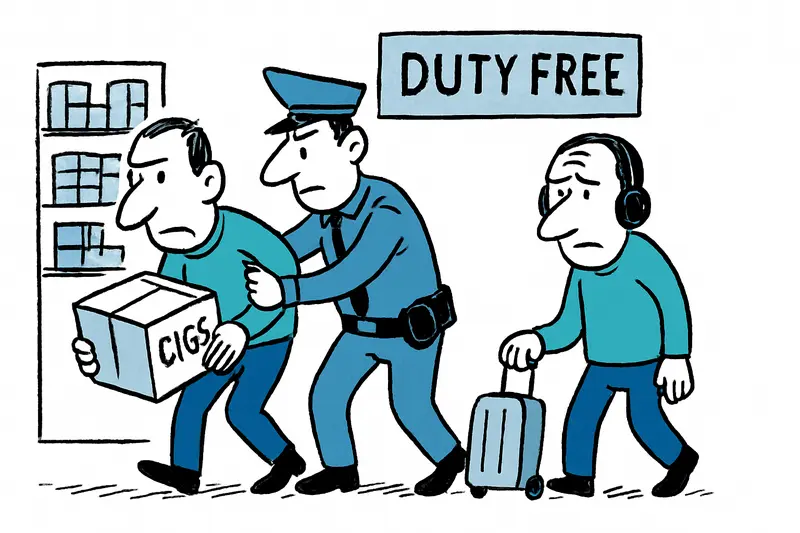
Smuggling in the secured area: How a gang exploited the duty-free zone at the airport
Two further arrests at Son Sant Joan airport: the Guardia Civil stopped a group that used cheap flight tickets to access...

Brawl at Palma Airport: When Competition Turns to Violence
In the arrivals area of Son Sant Joan a dispute between transfer service drivers escalated. One man was arrested, the vi...
77-year-old missing in Llucmajor: Why such cases on the island must not become routine
A 77-year-old German is missing in Llucmajor. SOS Desaparecidos is searching for Reiner Schnell. A critical assessment: ...
Ham Street, Sunglasses, Cocaine: When Sales Tricks Become Dangerous
A vendor at Playa de Palma offered a pair of sunglasses — and apparently hid a small packet of cocaine. The central ques...
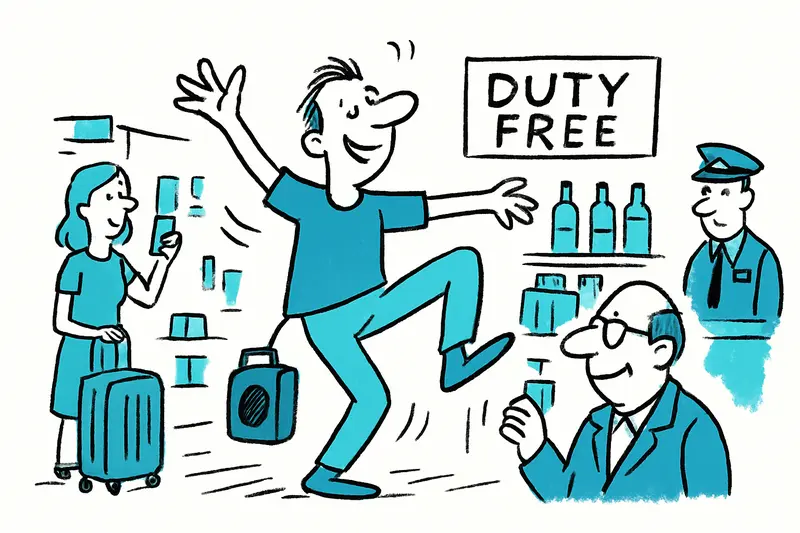
Dancing Instead of Complaining: The Viral Duty‑Free Artist and the Payment Gap at Palma Airport
An actor dances through the duty‑free area in Palma, goes viral — and speaks of unpaid bills. Who is responsible, and wh...
More to explore
Discover more interesting content

Can Cap de Bou

Townhouse Lleo 72
