
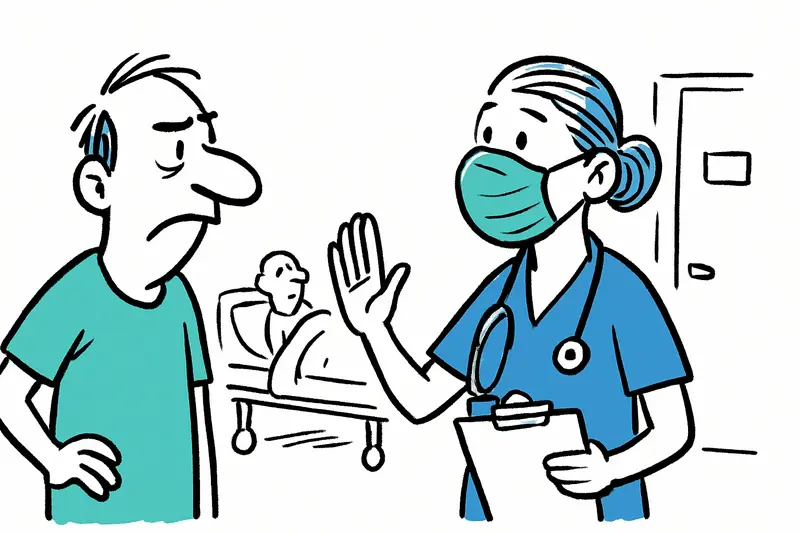
Masks Back in Clinics? A Reality Check for Mallorca
The Ministry of Health plans to reintroduce a mask requirement in hospitals and care homes from December 3 during critical phases of the flu wave. What does this mean specifically for Mallorca — and what is not being said in the debate?
Masks Back in Clinics? A Reality Check for Mallorca
The news was concise and factual: from December 3 a mask mandate could return in Spanish hospitals and care homes, at least during the particularly critical phases of the current flu wave, as reported in Masks Return in Mallorca: What the New Flu Wave Means for Us. Health Minister Mónica García named protection of patients and staff as the objective. On Mallorca this initially sounds familiar — in 2020/21 we all had similar signs before our eyes — and yet the situation today is different.
Key Question
Do hospitals and residencias on Mallorca now need a general mask mandate again, or should protective rules be applied more targeted, locally and for limited times?
Critical Analysis
At first glance the idea seems pragmatic: more protection for people at higher risk, fewer staff absences. But implementation is where the difficulty lies. An island like Mallorca has a mixed hospital structure: large centers like Son Espases in Palma, smaller hospitals in Manacor or Inca and numerous care homes along the east and south coasts. A centrally decided mandate does not automatically mean the same staff, the same number of FFP2 masks or the same level of information are available everywhere. Communication, stock levels and enforcement are not trivial.
One must also consider not only the rule itself but its consequences: will patient conversations again be held behind masks, how will the ward-round culture change? How will visitors, some arriving with winter tourism and different expectations for protective measures, react? The island is also experiencing staff shortages in care; strict rules without accompanying measures can increase pressure on teams rather than reduce it.
What Is Missing from the Public Debate
All too often the discussion is reduced to yes or no. What is lacking are concrete facts: current occupancy figures in island clinics, precise age and risk profiles of the sick, and reliable numbers on nosocomial (hospital-acquired) flu cases, a topic discussed in Flu wave in the Balearic Islands: Why the epidemic classification now demands practical measures. A plan for supplying certified masks is also often missing from the headlines: who will make FFP2 masks available and free of charge? Local advice is covered in Mask Recommendation in the Balearic Islands: Sufficient Caution or Too Vague? And finally: how will the Balearic autonomous authorities practically implement the measures?
An Everyday Scene from Palma
Early in the morning in front of the café at Plaça de les Columnes: a nurse in uniform grabbing a coffee after an early shift, an elderly woman with a walker waiting for the health center to open, and a visitor briefly wrapping his face in a scarf because a cold wind is blowing outside. These small, almost inconspicuous everyday scenes show how personal protective rules feel — they affect conversations, closeness and the routines of many people in the city.
Concrete Solutions for Mallorca
Instead of blanket bans I recommend a combination of pragmatic measures: clear, phase-oriented rules with transparent thresholds (e.g. intensive care occupancy or local positivity rates), free FFP2 masks at the entrances and exits of hospitals and residencias, clearly visible notices in five languages (Spanish, Catalan, German, English, Russian) and designated contacts in every hospital for complaints and questions. More important: incentives instead of penalties — for example support for staff who are absent due to illness, and short trainings on how to communicate politely and effectively while wearing protective masks.
Don't forget technical measures: better ventilation in waiting areas, targeted testing during outbreaks and a clearer reporting concept for nosocomial infections so residents can understand how risky a visit currently is.
Concise Conclusion
A mask mandate in clinics can make sense — if it is not used as a political stopgap but as part of a well-thought-out package: transparent data, reliable supply of protective equipment and clear, locally adapted rules. For Mallorca this means decision-making in partnership with hospital management, care homes and staff on site, rather than by central decree alone. Only then will protection remain practical and honest — and the island community will keep trust in the measures.
Frequently asked questions
Are masks likely to return in Mallorca hospitals and care homes?
When should I wear a mask in Mallorca health facilities?
How cold does it get in Mallorca during flu season?
Should I wear a mask when visiting a hospital in Mallorca?
What should care homes in Mallorca do during a flu wave?
Are hospitals in Mallorca prepared for another mask mandate?
What mask type is best for Mallorca clinics?
How should Mallorca communicate new health rules to visitors?
Similar News
Man Exposes Himself in Front of Café in Palma: Why This Must Not Be Dismissed as an Isolated Case
A man was arrested in Palma after he lowered his trousers in front of a café and exposed himself to minors. What does th...

Brawl at the Airport: Who Is Responsible for the Escalation Among Transfer Drivers?
A dispute between two transfer drivers escalated on Saturday morning in the arrivals area of Son Sant Joan. One man was ...
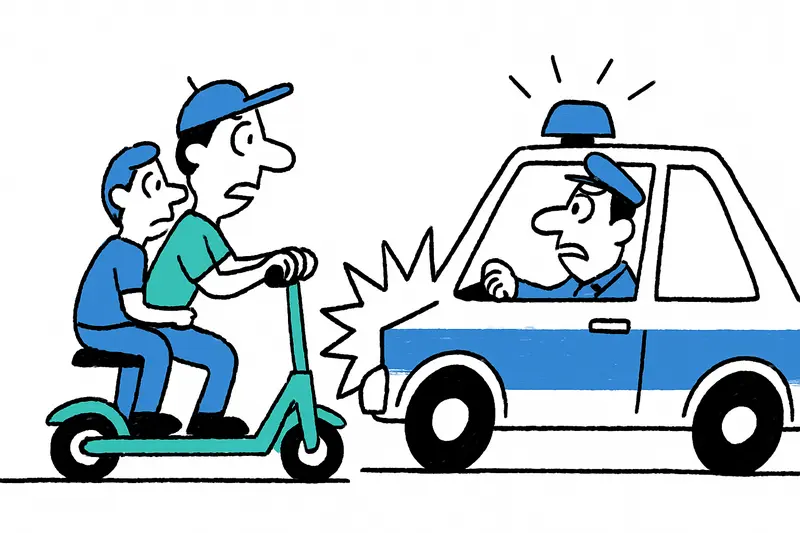
Collision in Palma: Why an E-scooter and a Patrol Car Ended Up on a Collision Course
At an intersection in Palma in early September a young e-scooter rider collided with a local police patrol car. No one w...
Warty on the Green: When a Cyborg Is Supposed to Learn Golf in Mallorca
A silver humanoid named Warty visits Son Gual – as advertising for Water D and as a guinea pig for golf lessons. A criti...
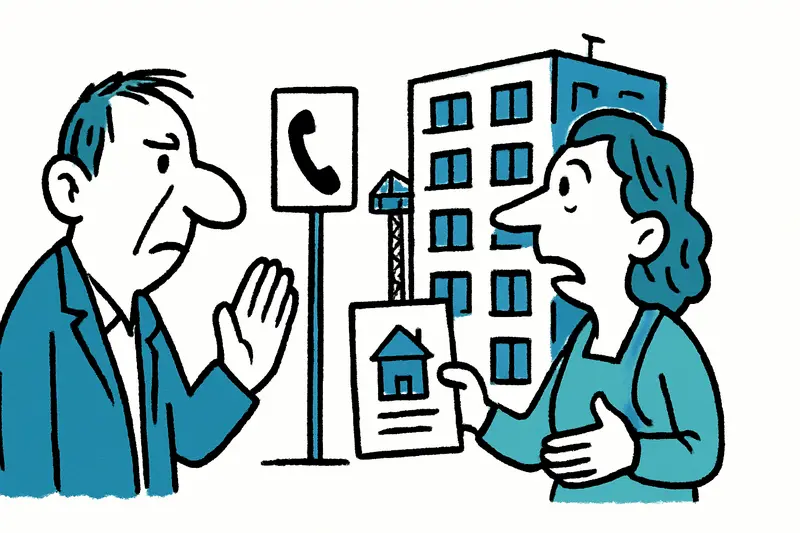
Balearics Consider Restrictions on Second-Home Purchases – a Reality Check
The regional government is examining whether purchases of second homes by non-residents can be restricted in future — bu...
More to explore
Discover more interesting content

Can Cap de Bou

Townhouse Lleo 72
