
Anne Wünsche moves — luxury with family rhythm: Why Mallorca becomes a home again
Anne Wünsche moves — luxury with family rhythm: Why Mallorca becomes a home again
Former soap actress Anne Wünsche is shifting her base to Mallorca: rented villa, dogs and children relocated step by step, while the Berlin apartment remains. A look at daily life, costs and opportunities for the island.
Anne Wünsche moves — luxury with family rhythm: Why Mallorca becomes a home again
A family relocation, two residences and a very Mallorcan daily rhythm
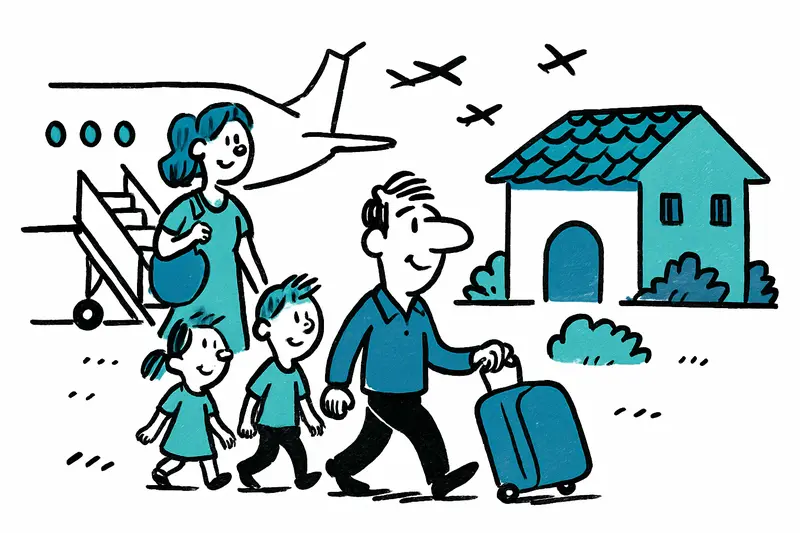
On a March morning, when a small flock of passenger planes passes over Palma de Mallorca Airport (Son Sant Joan) and the trees along the roadside still hold the last almond blossoms, you notice: life is starting again on Mallorca. It is into this in-between space that a German family now maneuvers, whose arrival is becoming the talk of the town. The 34-year-old Anne Wünsche, known from television series, has decided to divide her life between Berlin and the island.
The move is carefully scheduled: at the end of March her dogs travel first — accompanied by her brothers — shortly afterwards the children follow with a caregiver. This staggered approach reveals much about what matters to her: stability for the children and a gentle transition into a new routine. Instead of changing suitcases and children's bedrooms in one day, something familiar is preserved — a children's room in Berlin remains.
On Mallorca, Wünsche has found a rented villa near Palma. Important to her were four bedrooms and a quiet, village-like location, yet not far from the airport. The rent: around €6,500 per month; she keeps the Berlin apartment and plans to retain it for about €4,000 per month. This is not a fleeting change of scenery, but a dual-life arrangement that requires financial means and organizational work — flights between the residences included, a theme explored in When Space Becomes a Luxury: Why a Family Left Mallorca.
Why is this more than just another celebrity address for Mallorca? Quite practically: families create demand for schools, childcare, craftsmen and services, from gardeners to furniture stores. Those who stay longer look for doctors, sports clubs and leisure activities — that creates lasting work locally. In many villages you can already hear the clatter of bakery baskets in the morning and the chatter of parents at the school gate; new neighbours slowly join in, walk their dogs along the promenade or let their children run around in the park.
The decision to keep the Berlin apartment feels deliberate. It also shows how modern mobility allows families to combine different places to live. For the children this means a piece of continuity, familiar furniture, perhaps the same small desk where homework is done. For the adults it means organizing commuting times and making arrangements with fathers who live in Germany — compromises thought through in advance.
On the island itself the reaction is mostly pragmatic: residents in villages around Palma are used to changing faces, while demand for high-quality rental properties is growing. Driving through places like Sant Jordi or the suburbs of the city, you already see a mix of traditional stone houses, cultivated fields and new villas placed into the landscape. The sound of a lawnmower, an old man with a newspaper on the plaza, children's laughter in the afternoon — that belongs to everyday life.
For Mallorca, such an influx can also bring positive impulses if it is done with sustainability in mind: using local services, hiring craftsmen from the area, integrating the local school into daily life. On a personal level, a relocation like Anne Wünsche's can serve as a reminder that quality of life does not have to be tied to a single place. With some organization, a family can be spread across several cities without sacrificing the children's stability.
In the end a fitting image remains: a quiet village, planes passing in regular succession, the smell of fresh coffee in the corner café and a family that is reorganizing its rhythm. Whether permanent or in stages — such arrivals change island life and neighbourhoods, quietly and piece by piece.
Frequently asked questions
What is the best time of year to move to Mallorca with a family?
Is Mallorca a good place for families who split their time between two homes?
What should families pack when moving to Mallorca?
How far is it sensible to live from Palma de Mallorca Airport?
What is daily life like in the villages around Palma, Mallorca?
How much space do families usually need in a rental home in Mallorca?
What kinds of services do families need after relocating to Mallorca?
Why do some families keep a home in Berlin and a home in Mallorca?
Similar News
Released with Conditions: The Plus Ultra Suspicion and a Mallorcan Finca as Residence
A Dutch entrepreneur, sought in connection with the Plus Ultra case, was extradited to Spain after his arrest in Germany...

Haute Nuit in Puerto Portals: Fashion, Art and Indulgence by the Water
On October 2 the Lobster Club in Puerto Portals will be transformed into a stage for curated fashion, art and culinary e...
Magaluf: Watchtower Alarm – Lifeguards Pull Unconscious Beachgoer from the Water
After a drama in the late afternoon, two lifeguards at Magaluf beach rescued an unconscious 44-year-old man. He was stab...
Turquoise in the City: How dangerous is the color play of the Sa Riera?
The Sa Riera in Palma suddenly turned turquoise — a pretty motif, but behind the effect lies a discharge of saline waste...

Jeckliner at Sunnesching: Cologne spirit sets sail from Palma
In September 2027 the Mein Schiff 2 briefly becomes a floating carnival stage: four days with Cologne bands, comedy and ...
More to explore
Discover more interesting content

Can Cap de Bou

Townhouse Lleo 72
