
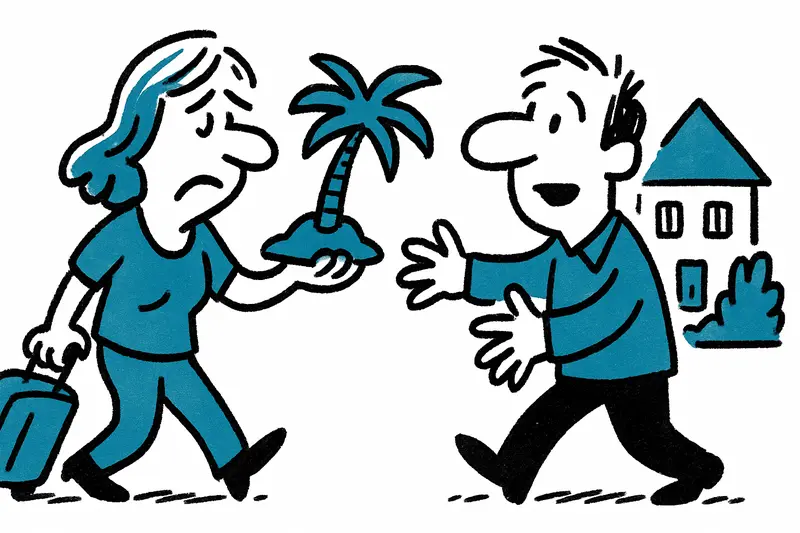
When Space Becomes a Luxury: Why a Family Left Mallorca
Katja and her family swapped palm trees for the Harz mountains. Their return raises a key question: How long will Mallorca remain livable for average earners if housing and everyday life become more expensive?
How much of "home" fits into a rent payment?
The story of Katja, who returned with her family to Wernigerode after 18 years on Mallorca, at first sounds like an unusual life change. But anyone who has lived on the island longer recognizes the small, almost banal reasons: an affordable flat, enough space for children to romp, and reliable childcare. It doesn't begin romantically but pragmatically — and it poses a simple guiding question: How long will Mallorca remain home for average earners if space becomes a luxury, as noted in record property prices in the Balearic Islands?
A turning point in everyday life
For years Katja organized shows, developed programs for visitors at Club Cala Serena, and found a kind of home in the rhythm of the season. Three children came from her relationship with Fabricio. But over time the days grew louder: motorcycles rumbled, construction cabins pushed into the skyline, and rents and prices rose every year. "We often asked ourselves: What is left when there's nothing left after the rent?" she says. That sounds like a personal note, but it echoes many conversations in Palma's markets or in the small bars along the coast, and even in reporting about a family from Binissalem who moved to the mainland.
What is seldom said out loud
Public debate often revolves around tourism figures, bed capacity and beach quality. Less heard are the everyday details: the long search for a parking space in the late afternoon, the difficulty of finding a kindergarten place, or apartments with two narrow rooms for five people, a situation documented in reports on apartments being divided on the Balearic Islands. The dynamics of second homes and short-term rentals exacerbate the problem: empty holiday apartments reduce affordable housing while new tourist facilities are created at the same time.
The return as an attempt to reorient
In Wernigerode Katja now runs a dance school, and Fabricio runs a snack bar. The children walk to school in the morning, the weekly market is manageable, neighbors greet each other when buying bread rolls. These are not spectacular changes but small reliefs: less parking stress, more space in the kitchen, time for homework. These details show why people leave — not because the sea served bad coffee, but because everyday life becomes unbearable in the long run.
What the island could lose
When families like this move away, Mallorca loses more than heads: it loses diversity, everyday culture and infrastructure that supports schools, trades and local businesses. The effect is cumulative. Young teachers, artists, craftsmen — they all now think twice about whether a life on the island is still possible. In the long term, polarization threatens: high-end tourism on one side, shrinking communities on the other.
Concrete approaches instead of phrases
Some solutions are obvious and practically feasible: municipal housing companies for family apartments, mandatory quotas for long-term rentals when granting new building permits, stricter regulation of short-term rentals and tax incentives for landlords who rent long-term to families. Cooperative housing projects and co-housing models could also fill gaps. What matters is that politics thinks less in Sunday speeches and more in concrete, locally implementable measures.
At the community level, small things help: affordable childcare, flexible school offerings, spaces for art and culture outside the season. Such measures make the difference between a holiday destination and a living home.
Not black and white
Whether Katja and her family will stay in the Harz permanently is open. Their decision is not a drama but an indicator. Anyone who comes to Mallorca should do so with open eyes. And those who stay should ask loudly enough so that the island remains not only a place for holidays but everyday life for everyone.
Frequently asked questions
Why are some families leaving Mallorca even if they love living there?
Is it still possible to live on Mallorca as an average earner?
What makes renting a family apartment in Mallorca so difficult?
What everyday problems do Mallorca residents face beyond high rent?
How does Mallorca's housing shortage affect local communities?
What is the link between short-term rentals and housing prices in Mallorca?
Which Mallorca areas are often mentioned in the housing debate?
What kind of housing solutions are being discussed for Mallorca?
Similar News
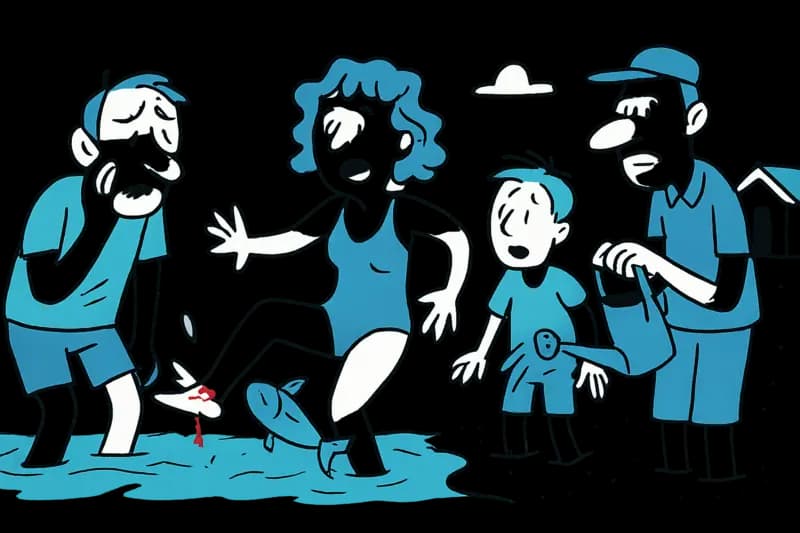
Why the Striped Breams in Cala Pí Should Be a Wake-up Call
Once again bathers in Cala Pí were surrounded while swimming by small, nippy fish — some wounds bled. Time for clear rul...
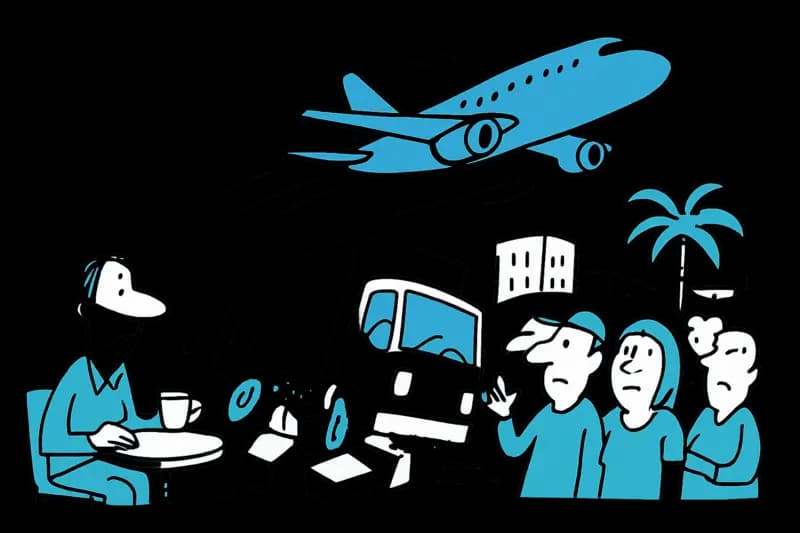
Daily from New York: How Palma's Air Traffic Is Growing — and What Must Change
United will increase the Newark–Palma service to daily flights in 2027 (Boeing, 231 seats). Strong tourist numbers clash...

When Love Ends in Shards: Destruction in Son Vida and the Questions That Remain
In Son Vida a relationship dispute escalated: a woman destroyed furniture in a luxury villa, later pressed a panic butto...
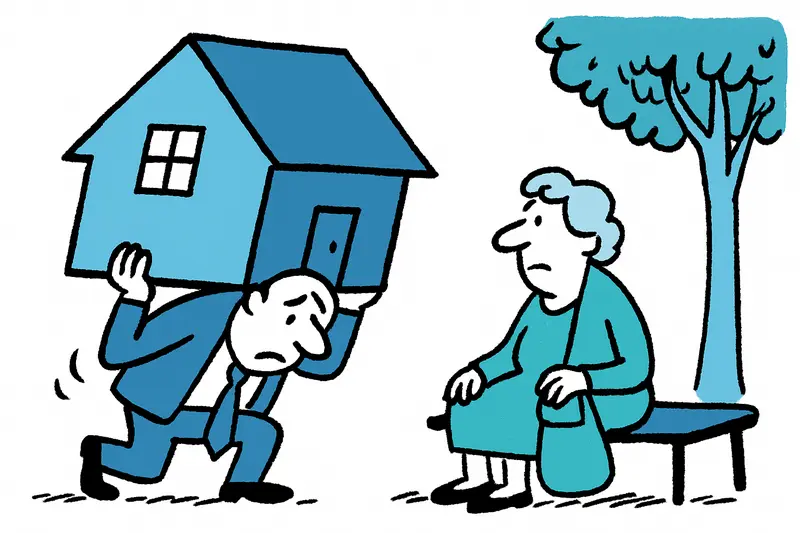
Who Bears the Burden? Mallorca Between Tenant Protection and Landlord Fears
Madrid's new housing decrees strengthen tenant rights — but on Mallorca concern is growing: will the law drive small lan...
On the Edge: What Mallorca's Airport Loses If a Major Low-Cost Carrier Falters
The company that operates numerous connections from Palma to France and domestically is negotiating with creditors to re...
More to explore
Discover more interesting content

Can Cap de Bou

Townhouse Lleo 72
