
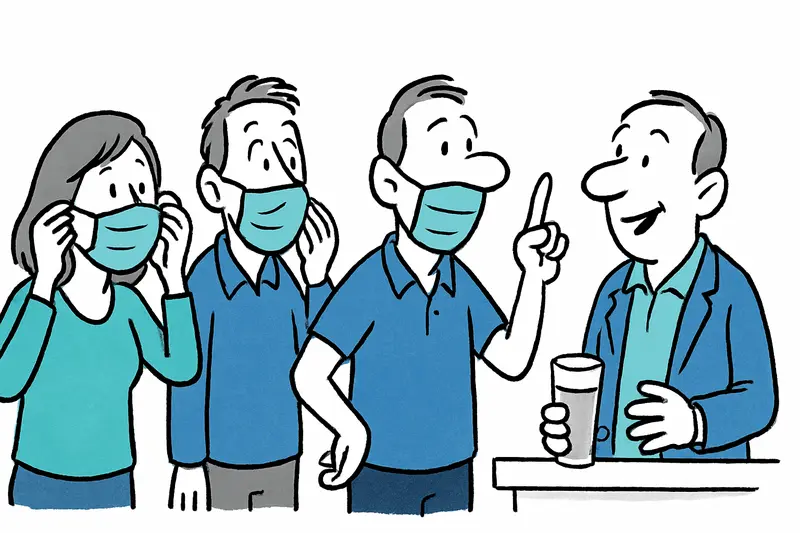
Masks Return in Mallorca: What the New Flu Wave Means for Us
Masks Return in Mallorca: What the New Flu Wave Means for Us
Health authorities have agreed on an action plan against early flu and respiratory waves. What does this mean for everyday life, work and Christmas parties on the island — and what is missing from the debate?
Masks Return in Mallorca: What the New Flu Wave Means for Us
Key question: Are recommendations and vaccines sufficient, or do we now need to focus more on everyday life?
The news spread through Palma like a cool breeze on an otherwise mild December afternoon: national and regional health authorities have agreed on a joint action plan because the flu season is starting unusually early. Already last week the number of reported cases exceeded the epidemic threshold of 40.1 cases per 100,000 inhabitants, as covered in Flu wave in the Balearic Islands: Why the epidemic classification now demands practical measures. On the Balearic Islands the vaccination campaign has been running since mid-October; around 276,000 vaccine doses were planned, mainly for people over 60, pregnant women, risk groups and health care workers.
The measures are designed in stages: we are currently in phase two. There, the authorities recommend routine mask wearing for the sick, in clinics in sensitive areas, and working from home for symptomatic employees. With stronger escalation, the mask requirement can be extended to all health facilities, as discussed in Masks Back in Clinics? A Reality Check for Mallorca. A changed H3N2 variant is blamed for the early wave, as explained in K Variant: Reality Check - How dangerous is the severe flu wave for Mallorca?; according to ECDC on seasonal influenza and vaccines, the available vaccines still protect well against severe courses, but are less effective at completely preventing infections.
Critical analysis: The decisions are not surprising, but they seem hesitant in some respects. Recommendations are one thing — enforcement mechanisms and support are another. At Plaza de Espanya you see delivery drivers, waiters and hotel staff every morning who have no option to switch to working from home. In many bars and bakeries a hoarse voice is brushed off with "I can't take a day off." This is where a gap opens up: without clear rules for sectors with high on-site work, the freedom to stay home often remains theoretical.
What is missing from the public debate: pragmatic measures for employees in the tourism sector, gastronomy and construction; paid sick leave or short-term compensation would increase the willingness to stay home. Also scarcely visible are plans to distribute FFP2 masks to nursing homes and hospitals or to provide free rapid tests for households with at-risk persons. Ventilation and CO2 monitoring in schools and venues are still marginal topics, even though they could quickly make a difference in everyday life, as explained in CDC guidance on ventilation and indoor air quality.
Everyday example: Yesterday at the Mercat de l'Olivar an older woman stood at the fish counter with a shopping bag, her mask in her hand. Sellers call out prices across the market, a child coughs. Scenes like this show: we are still far from accepting masks and tests as normal seasonal-health tools — yet they could preserve simple freedoms if used correctly.
Concrete solutions that could take effect immediately: 1) Free delivery of small FFP2 packs to nursing homes, caregivers and households with elderly people; 2) a short-term allowance or continued pay for employees who are absent due to respiratory symptoms — this reduces presenteeism; 3) clear recommendations plus materials for improved ventilation in schools and restaurants; 4) a visible testing strategy before large family gatherings at Christmas: free antigen tests in pharmacies or local health centers.
Why this matters: The current vaccine protects against severe courses, according to European agencies, but the island is full of contacts in December — Christmas markets, dining events, family celebrations. Those who now rely solely on vaccination overlook the dynamics of short outbreaks that can strain hospitals.
Conclusion: The new rules are a step in the right direction, but more is needed for them to work in everyday life. Politicians, employers and neighbors must act practically: provide masks, secure sick employees, ventilate rooms and offer tests. Those who do not do this risk that the recommendations end at the front door. In Mallorca, caution does not mean renunciation — it can carry us through a tighter December without bringing the island to a standstill.
Frequently asked questions
Why are masks coming back in Mallorca during the flu season?
Is the flu vaccine still worth getting in Mallorca this winter?
What should I do if I have flu symptoms while working in Mallorca?
Are masks required in Mallorca clinics and hospitals now?
What does the flu wave mean for restaurants and hotels in Mallorca?
Should families in Mallorca take rapid tests before Christmas gatherings?
Is it safe to go to Mercat de l'Olivar in Palma during the flu wave?
How can schools and indoor venues in Mallorca reduce flu spread?
Similar News
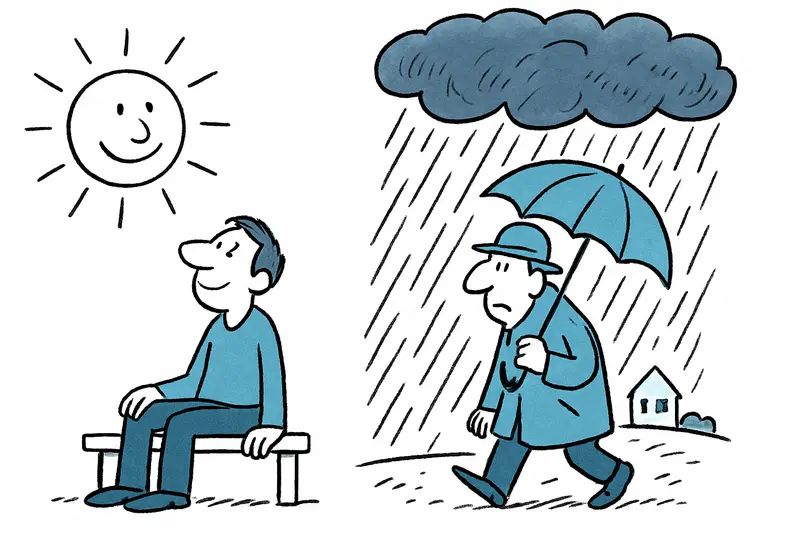
Autumn approaches on the island: Still sun, but a rain band will soon bring relief
The last warm days on Mallorca are still here – around 30°C by day, just under 20°C at night. According to AEMET, a rain...
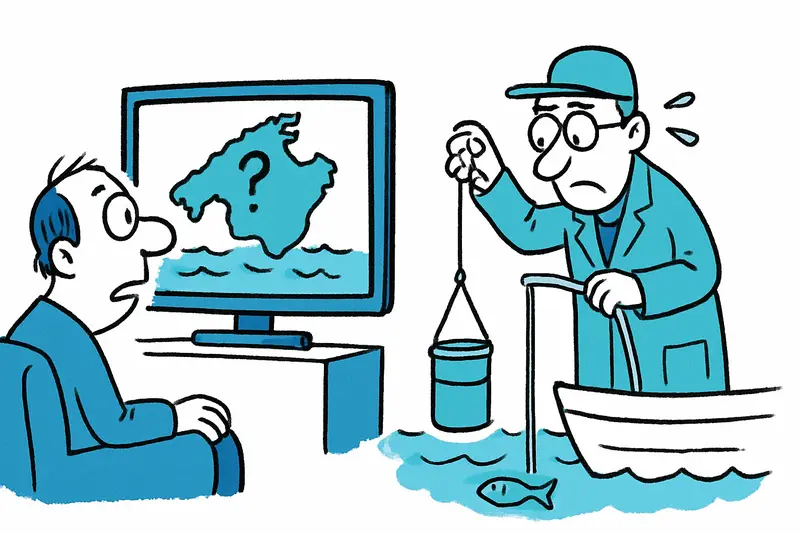
TV documentary on the Mediterranean: How threatened is Mallorca really?
A new television documentary follows marine research off Mallorca and shows: sea temperatures are rising, and farmers ar...
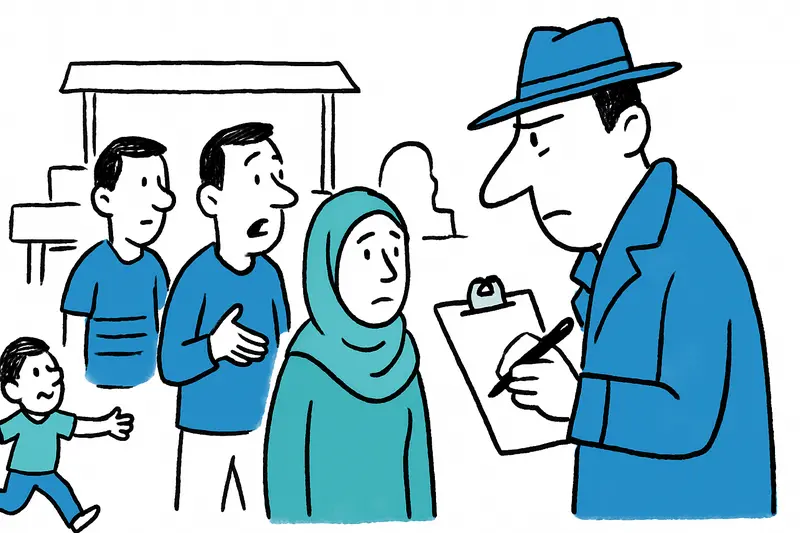
After Ceuta: Intelligence Activities in Mallorca – A Reality Check
The CNI, National Police and Guardia Civil have intensified their surveillance in Mallorca. What does this mean for isla...
An evening that resonates: Hans Theessink in the Claustre of Llucmajor
With a guitar, dry humour and a voice that carries stories: Hans Theessink turned the Claustre de Sant Bonaventura in Ll...
Reality Check: Will Mallorca Become the Weather Laboratory of the Mediterranean?
A new TV documentary has the Mediterranean off Mallorca in its sights. What research shows — and what we on the coast st...
More to explore
Discover more interesting content

Can Cap de Bou

Townhouse Lleo 72
