
Flu wave in the Balearic Islands: Why the epidemic classification now demands practical measures
The Balearic Islands have classified the current flu wave as an epidemic. What does this mean for patients, healthcare workers and daily life in Mallorca? A reality check with everyday scenes, missing data and concrete proposals.
Flu wave in the Balearic Islands: Why the epidemic classification now demands practical measures
Key question: Are the current recommendations enough to truly protect hospitals, care homes and bus services in the run-up to Christmas?
The government of the Balearic Islands has officially classified the ongoing flu wave as an epidemic. Health Minister Manuela García currently reports around 37 cases per 100,000 inhabitants and recommends masks for symptomatic people as well as for those working in medical settings, a stance echoed in Mask Recommendation in the Balearic Islands: Sufficient Caution or Too Vague?. Public statements also warn of a possible peak around Christmas — and remind that the currently circulating virus variant is covered by the available vaccines, as discussed in Early flu wave in Mallorca: How dangerous is the K variant really?.
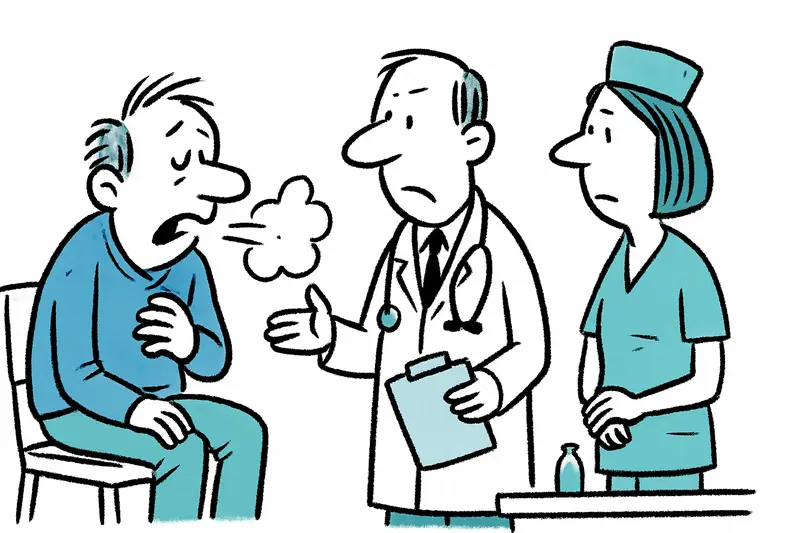
Those are relevant facts. But they do not automatically answer how well everyday life in Mallorca is prepared. In Palma, at a bus stop on Plaça d'Espanya on a chilly December morning, someone coughs into a shopping bag. At the pharmacy on Avinguda Jaume III the shelves for tissues and fever thermometers are conspicuously empty. Many people will recognise scenes like these — they are the yardstick by which recommendations must be measured, as reported in Masks Return in Mallorca: What the New Flu Wave Means for Us.
Critical analysis: The recommendations sound sensible, but remain vague in three respects. First: Which age groups and risk groups are currently most affected? The figure of 37 cases per 100,000 says little about hospital occupancy or severe cases. Second: What is the vaccination rate in the relevant groups — care home staff, healthcare workers, people over 65? Third: What capacities are available for testing, follow-up examinations and additional beds if the rise becomes serious, as outlined in Balearic clinics prepare — is that enough for the flu wave??
What is missing from public discourse: transparent numbers on hospitalisations and occupied intensive care beds, age-differentiated case figures, vaccination rates by sector and clear rules for employers. Without these data the advice “get vaccinated, ventilate, wear a mask” remains a list of good tips, but not an actionable strategy for hospitals, care homes, schools or bus companies.
Concrete, immediately implementable solutions: First, short-term prioritisation of vaccine deliveries and mobile vaccination offers at marketplaces and train stations — for example a vaccination van in front of Mercat de l'Olivar or at Palma Intermodal Station. Second, mandatory FFP2 masks for staff in clinics and care facilities and free mask distribution for public transport employees. Third, quick ventilation checks in waiting areas of health centres and nursing homes using simple CO2 meters and, if necessary, temporary air purifiers. Fourth, a clear regulation on continued pay during sick leave so that workers do not feel forced to go to work while ill. Fifth, improved communication for tourists: information leaflets at the airport with behavioural guidance and directions to vaccination sites on the island.
At the local level more can be done than simply issuing recommendations. Family doctors on Mallorca usually know their patients personally — priority lists for booster vaccinations should be compiled here. Care homes can quickly adjust visiting rules and set up testing stations without immediately closing. In city centres, visible ventilation routines can be implemented in small shops: open windows between customers, signage and provided hand sanitiser.
An often overlooked aspect: seasonal work and close living arrangements in many households increase transmission risk. Seasonal workers in hotels or on large construction sites should have easier access to vaccination appointments and information in multiple languages. Employers' associations and trade unions must also be involved so that protective measures are practical and not only on paper.
Punchy conclusion: Classifying the situation as an epidemic is more than an alarm signal — it demands practical, visible measures that change everyday life. Someone waiting at a bus stop who sees a person coughing into a coat needs no abstract appeals, but concrete help: nearby vaccination offers, reliable masks for staff, clear sick-leave rules and transparent data on the situation. If the health system and municipalities do not take fast, pragmatic joint steps now, bottlenecks threaten exactly where we least need them: in hospitals, in care homes and in the crowded pre-Christmas hours in cities.
In short: Yes, vaccinate, ventilate, wear masks — but with clear numbers, distributed resources and everyday practicality. Otherwise the epidemic will remain mainly a headline instead of a manageable public health issue.
Frequently asked questions
Is the flu wave in Mallorca officially considered an epidemic?
Should I wear a mask in Mallorca if I have flu symptoms?
Can you still get flu even if you have been vaccinated in Mallorca?
What should I do if I feel ill during flu season in Mallorca?
How worried should Mallorca hospitals be about the flu wave?
Why are buses and public transport in Mallorca part of the flu debate?
Where can people in Mallorca get flu protection more easily?
What practical measures could help Mallorca care homes during the flu wave?
Similar News
Smuggling in the secured area: How a gang exploited the duty-free zone at the airport
Two further arrests at Son Sant Joan airport: the Guardia Civil stopped a group that used cheap flight tickets to access...

Brawl at Palma Airport: When Competition Turns to Violence
In the arrivals area of Son Sant Joan a dispute between transfer service drivers escalated. One man was arrested, the vi...
77-year-old missing in Llucmajor: Why such cases on the island must not become routine
A 77-year-old German is missing in Llucmajor. SOS Desaparecidos is searching for Reiner Schnell. A critical assessment: ...
Ham Street, Sunglasses, Cocaine: When Sales Tricks Become Dangerous
A vendor at Playa de Palma offered a pair of sunglasses — and apparently hid a small packet of cocaine. The central ques...
Dancing Instead of Complaining: The Viral Duty‑Free Artist and the Payment Gap at Palma Airport
An actor dances through the duty‑free area in Palma, goes viral — and speaks of unpaid bills. Who is responsible, and wh...
More to explore
Discover more interesting content

Can Cap de Bou

Townhouse Lleo 72
