
Early flu wave in Mallorca: How dangerous is the K variant really?
Early flu wave in Mallorca: How dangerous is the K variant really?
On Mallorca the flu is arriving much earlier this year. German island doctors assess the risks, who should get vaccinated, and which practical steps make sense locally now.
Early flu wave in Mallorca: How dangerous is the K variant really?
A reality check from the island — between hospital beds, vaccination appointments and everyday life
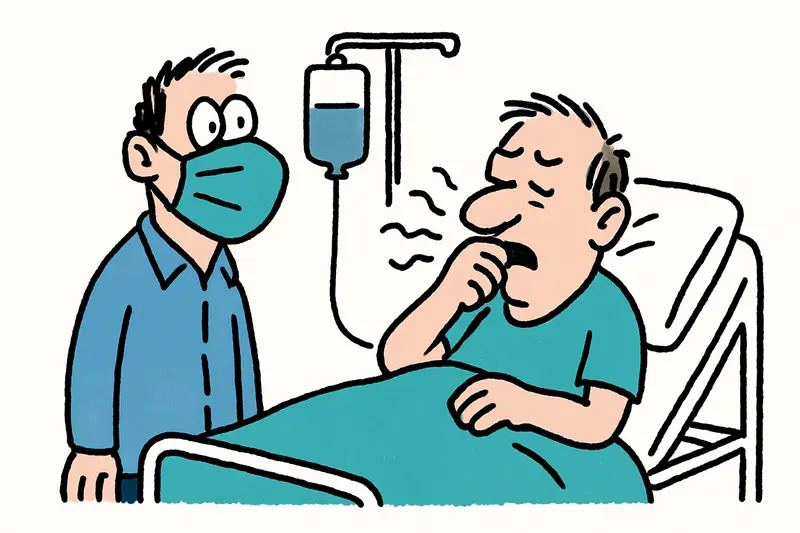
In Palma's cafés it smells of coffee, the rooftops are only slightly damp from the December mist, and yet something is different: reports of colds and flu in general practitioners' offices are rising earlier than usual. Health authorities and clinics report more cases, and Son Llàtzer hospital has at times made additional beds available. You can hear coughing in the corridors, and people stand in line at the Passeig Mallorca pharmacy asking for flu vaccine.
Main question: Does the so-called K variant, which spreads faster, automatically mean a greater risk for us here on the island — or is the fuss bigger than the danger?
Our assessment: Higher transmissibility does not equal higher severity. This is also reflected in assessments by doctors in German island medicine: Dr. Milanka Krämer from Llucmajor is now seeing hospitalized flu cases and a significantly increased demand for vaccinations. Dr. Christian Gmelin from the medical center in Porto Pí sees little strain in his practice — he reminds that coughing does not automatically mean influenza. Dr. Clemens Lunau from Palmanova emphasizes that the season is starting earlier without him expecting fundamentally more severe cases than in other years.
Critical analysis: Three points are important. First: transmissibility and virulence are different properties of a pathogen. A virus that "moves faster" can infect more people without each case being more severe. Second: vaccine effectiveness varies by season; if the vaccine is only a moderate match, that does not automatically reduce its benefit. Even partial protection can significantly reduce severe courses and hospitalizations. Third: pressure on the healthcare system arises not only from severe cases but from the rapid succession of many mild to moderate cases that occupy staff and beds — an issue Son Llàtzer has recently felt.
What is missing in the public debate: local, easy-to-understand figures. Residents rarely know how many beds are currently occupied, which age groups are actually being treated in hospital, or what the vaccination rates look like in municipalities like Llucmajor, Palmanova or Palma city. The role of tourists is also rarely addressed locally: fewer arrive in the off-season, but those coming from abroad can accelerate local dynamics. Transparency about testing capacity and the availability of FFP2 masks in pharmacies would also be helpful.
Everyday scene: At the l'Olivar market vendors tap oranges, a saleswoman pulls her mask up after an older customer coughed. The tram to Plaça España is surprisingly full; some passengers still do not habitually pull an FFP2 mask over their mouths. These small moments show how quickly transmissions happen — and how much everyday actions matter.
Concrete solutions for Mallorca — pragmatic and local:
1) Targeted vaccination campaign: Mobile vaccination teams for care homes and markets, extended opening hours in island pharmacies and clear recommendations for people over 60 and chronically ill. An early information campaign in German and Spanish will increase willingness to be vaccinated; see the flu vaccination campaign 2025/26 in Mallorca.
2) Measurable transparency: A simple public dashboard with current hospitalization numbers, bed occupancy and age distribution would curb rumors and create planning security for practices and care homes.
3) Mask policy with common sense: FFP2 masks make sense in hospitals and when visiting vulnerable people, as set out in Masks Return in Mallorca: What the New Flu Wave Means for Us. In crowded indoor spaces it's worth wearing a mask — not out of panic, but as consideration for others.
4) Labor law and economy: Employers should promote flexible home-office rules and paid sick days so infected people can stay home. Short-term support for staffing shortages would be useful for small businesses.
5) Schools and daycare centers: More attention to ventilation, testing options and clear action plans so outbreaks can be contained locally without bringing everyday life to a standstill.
Why these proposals are realistic: They do not necessarily cost millions, but rather require organization and communication. Mobile teams and longer vaccination hours require staff planning; a clear dashboard can be created from existing reporting data. There are enough healthcare professionals and volunteer structures on Mallorca that can be coordinated.
Concise conclusion: The K variant causes an earlier and stronger rise in cases — that's unpleasant, but not automatically dramatic. Those who are older or have chronic illnesses should get vaccinated and wear an FFP2 in crowded situations. For everyone else: ventilate rooms, contact your GP if you worsen, and don't play the hero with a fever. The challenge for the island is less the individual infection than the coordination: better local data, targeted vaccination offers and pragmatic everyday rules would reduce anxiety and relieve hospitals.
On the way from Passeig Mallorca towards Son Llàtzer you can hear the siren of an ambulance — an audible reminder that local prevention helps, just as everyday cooperation in our streets, markets and practices does.
Frequently asked questions
Is the early flu wave in Mallorca more dangerous than a normal flu season?
Does the flu vaccine still help in Mallorca if the current strain is a poor match?
What should I do if I get flu symptoms while living in Mallorca?
Should I wear an FFP2 mask in Mallorca during the flu wave?
Why are hospitals in Mallorca feeling more pressure during this flu wave?
Why is flu spreading so quickly in Palma and other parts of Mallorca?
Is Mallorca expecting a worse flu season than usual this year?
Where can people in Mallorca get a flu vaccine at the moment?
Similar News
Palma: Car Flips Over – Seniors Rescued, Questions About Traffic Safety
On a major arterial road in Palma, a car flipped onto its roof after a heavy collision. An elderly couple was freed and ...
Calvià opts for style over rowdiness – a plan for year-round, diversified tourism
Calvià wants to shake off Ballermann images by 2030 and boost hiking, sports, culture and gastronomy tourism. Hotels, th...
Autumn Is Coming — When the Rain System Will Cool Mallorca and What We Must Learn
AEMET warns: the chance of rain increases on Thursday and Friday — temperatures will fall. An opportunity to prepare our...

Eurowings in Palma: Expansion, Approval Chaos and the Reality Test for Island Planning
Eurowings is significantly increasing its presence in Palma and is even considering technical maintenance on site. The i...

A.M.Y.: Between Finca, Cornfield and Schoolyard – a 13-Year-Old Who Gets Mallorca Humming
With sunglasses, a rock guitar and the courage to sing over nagging voices: Amy Horber, 13, lives with her family on Mal...
More to explore
Discover more interesting content

Can Cap de Bou

Townhouse Lleo 72
