
Radio, Ships, Guitars: How Uwe Bahn Made Mallorca His Creative Center
Radio, Ships, Guitars: How Uwe Bahn Made Mallorca His Creative Center
Uwe Bahn combines radio, cruises and music into a mobile creative laboratory. On Mallorca he has made his base — between rooftop terraces, the sounds of the old town and festival line-ups.
Radio, Ships, Guitars: How Uwe Bahn Made Mallorca His Creative Center
A Driven Man in the Best Sense: How Curiosity Turned into a Network
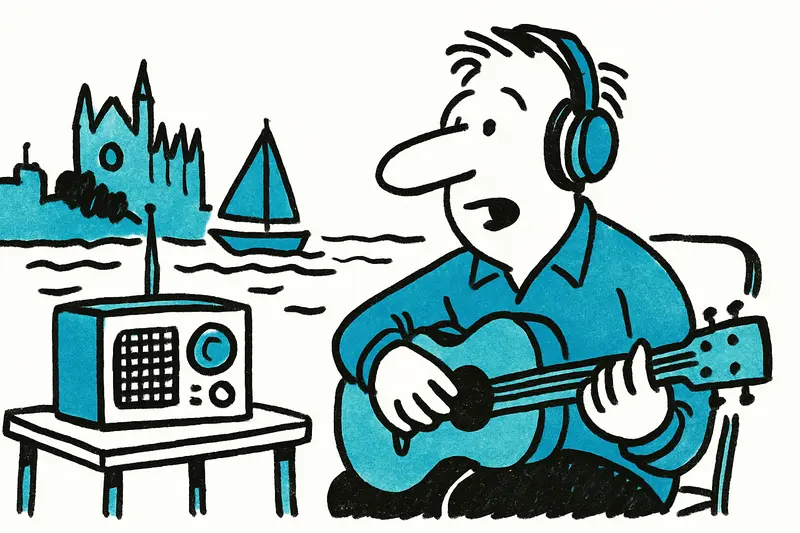
On the rooftop terrace of the small boutique hotel Ca Sa Galesa, with a view over Palma's maze-like old town and the tiny sails in the harbor, Uwe Bahn speaks with a sort of mild surplus of ideas. You notice immediately: standing still is not an option for him. His apartment in the middle of the city is less a retreat than a planning office with a view. When the church bells ring and people downstairs on the Passeig fetch coffee, he sits at his computer and thinks about the next format.
Bahn comes from Lauenburg on the Elbe and decided early on not to follow the predetermined career path. Instead of classrooms he chose the microphone. The path led through radio, where he tried out various formats — comedy, sports, morning shows. The studio experience stayed, the language changed: from host to concept developer.
His fascination with travel finally led him to ships, a topic also reflected in A man from Bremen, his boat and the new heartbeat: how a sailboat in Mallorca quietly went electric. A cruise gave him a simple but decisive image: the hotel comes along. This insight connected two things he loved — stage and mobility — and became the foundation of what many today know as ship festivals. He began working on it systematically in 2004; since 2006 an annual comprehensive cruise guide has been published, which has become a map for travelers.
The consequences of his work are visible on Mallorca. When a rock liner or a nostalgic '80s cruise sets sail from the harbor, it is not just a vacation for guests: it is business for local bands, work for technicians, audience for restaurateurs and opportunities for travelers who want to experience culture differently. Uwe developed formats with bands and artists that understand ships not only as transport but as a stage. Collaborations with well-known acts and teams from the scene helped these projects gain visibility; the first voyage sold out quickly, and the principle has proven successful ever since.
Another chapter is his commitment to German-language radio on the island. In the mid-1990s he helped start a station project that became a fixed point for many residents and holiday guests. He likes to describe his role as that of a midwife: bring the idea, give the first push, then step aside. The result endures and has enriched Mallorca's media landscape.
Music was always part of his life, for a long time privately. Only encounters with Nashville and modern production techniques led him to write and release his own songs. The guitar he has played for decades is today not just a keepsake but a production tool. He experiments with new technologies and uses digital channels to spread the tracks, similar to projects described in From the Conference Room to the AI Canvas: How an Ex-PR Woman Starts Anew in Mallorca. For him, songs endure; broadcasts live briefly. This feeling of creating something lasting has changed him.
What Uwe brings to Mallorca is less a rigid brand than a hands-on practice: designing formats, connecting local resources, organizing guest experiences differently. That fits the island: Palma as a logistical center from which projects start, small businesses benefit and culture becomes visible. His attitude is pragmatic and optimistic. He recognizes problems such as the concentration of tourist sites and says openly that too much of it harms the experience — at the same time he looks for formats that open spaces instead of clogging them, a concern also raised in Barcolana in Trieste: What Mallorca's Coasts Should Learn Now.
In everyday life this shows in banal moments: a phone call with a band in Barcelona, a two-minute check of stage planning between a cappuccino in El Born and the sound of a moped racing down the Rambla. Mallorca benefits because such ideas bring stage and audience together, create work and enliven the island culturally. This is not a loud performance but a network that grows slowly.
For local creatives Bahn is an example of how passions can be combined, an example echoed by Between Paintbrush and Microphone: Peter Klein Builds His Second Life in Mallorca. His message is simple: start, combine, try. Two hobbies became a way of life that never felt like work to him and at the same time opened many doors for others. Those who listen to him leave the meeting with a small sense of feasibility — and the desire to follow his example.
In the end remains the image of a man who prefers to invent formats rather than stand in the spotlight. On an island whose sounds you know — seagulls, a chainsaw somewhere in a lane, the clinking of cutlery in a bar — this comes across as a new, unobtrusive beat. A beat that connects culture, tourism and everyday life. And it shows: on Mallorca there are still places where ideas can begin to grow.
Frequently asked questions
What is the best time of year to visit Mallorca for cruise-related events and ship festivals?
Can you hear live music on cruises departing from Mallorca?
Why is Palma important for creative projects in Mallorca?
What role does German-language radio still play in Mallorca?
Is Mallorca a good place for musicians who want to work on new songs?
What should I pack for a cruise from Mallorca?
How do themed cruises help local businesses in Mallorca?
Who is Uwe Bahn and why is he associated with Mallorca?
Similar News
Released with Conditions: The Plus Ultra Suspicion and a Mallorcan Finca as Residence
A Dutch entrepreneur, sought in connection with the Plus Ultra case, was extradited to Spain after his arrest in Germany...

Haute Nuit in Puerto Portals: Fashion, Art and Indulgence by the Water
On October 2 the Lobster Club in Puerto Portals will be transformed into a stage for curated fashion, art and culinary e...
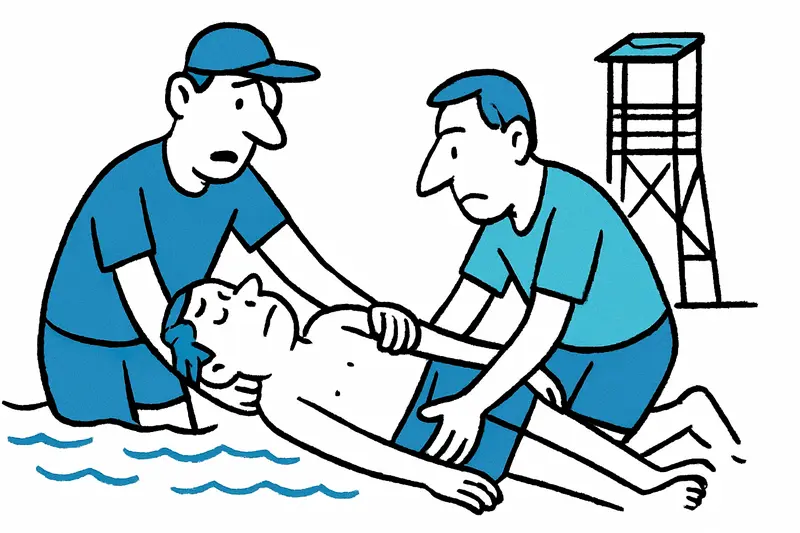
Magaluf: Watchtower Alarm – Lifeguards Pull Unconscious Beachgoer from the Water
After a drama in the late afternoon, two lifeguards at Magaluf beach rescued an unconscious 44-year-old man. He was stab...
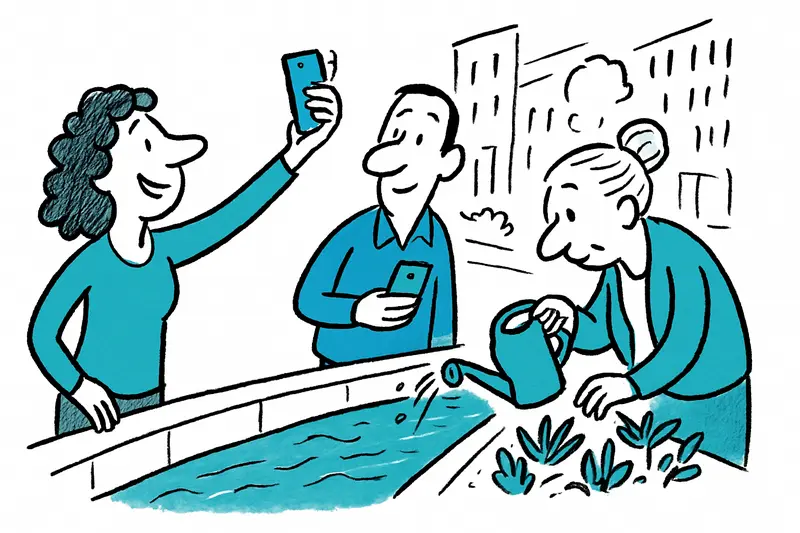
Turquoise in the City: How dangerous is the color play of the Sa Riera?
The Sa Riera in Palma suddenly turned turquoise — a pretty motif, but behind the effect lies a discharge of saline waste...

Jeckliner at Sunnesching: Cologne spirit sets sail from Palma
In September 2027 the Mein Schiff 2 briefly becomes a floating carnival stage: four days with Cologne bands, comedy and ...
More to explore
Discover more interesting content

Can Cap de Bou

Townhouse Lleo 72
