

Between Paintbrush and Microphone: Peter Klein Builds His Second Life in Mallorca
Between Paintbrush and Microphone: Peter Klein Builds His Second Life in Mallorca
The 58-year-old former reality-TV personality from Ludwigshafen continues working as a painter while increasingly trying his hand at singing — an example of new beginnings and island pragmatism.
Between Paintbrush and Microphone: Peter Klein Builds His Second Life in Mallorca
From Construction Site to Stage — and Still Keeping His Feet on the Ground in Llucmajor
It is late-autumn mild at Playa de Palma, a light wind, the waves roll gently, and the smell of sea salt still lingers around Ballermann. There, near Balneario 7, Peter Klein sits with an Americano at the Münchner Kindl and looks relaxed. The 58-year-old has broadened his workplace in recent years: alongside his trade, the stage is increasingly in the spotlight.
As a trained painter and varnisher, Klein still earns his living with a putty knife, paintbrush and spray gun. His daily work as a craftsman shifts to the winter months, when many homeowners are away and renovations are due. That gives him a clear rhythm: more time on stage in summer, on construction sites in autumn and winter.
The step into music came late, but not unexpectedly: about a year ago Klein began to appear as a singer on Mallorca. The first season brought some gigs, and a year later there were considerably more dates in the calendar. His goal is ambitious: to play many more concerts within a season and, in the medium term, to perform on larger scene stages.
On the island, such a mix of craft and entertainment works particularly well; examples of prominent figures adapting life and projects on Mallorca can be found in coverage such as Peter Maffay on Mallorca: Review, Foundation and the Quiet Side of Progress. Mallorca is not only parties and glossy marinas, but also a stage for people who want to reinvent themselves. Klein shows that here you can combine several life plans with experience and hard work: services for homeowners, performances for tourists and partygoers, and studio work on the side — a recording with a local label is coming up.
Privately, Klein has found a base in Llucmajor: a town that offers central connections to the airport and short trips to hardware stores. That is useful for craftsmen and practical for someone who often commutes between island and mainland. At the same time he lives a bit of island life, which values less showmanship and more uncomplicated neighborhood relations.
His personal reorientation also includes private decisions: after a divorce last year Klein is in a new relationship, but still maintains a long-distance setup and insists on not rushing things. Everyday rituals like going to the gym six times a week and having coffee in a familiar place are part of his balance between stage and construction site.
What does this mean for Mallorca? Stories like this are useful: they show that the island has room for different lifestyles; even media personalities adapt in similar ways, for example Paul Janke appears in TV dating show as bartender — and Mallorca is pleased. Artists, craftsmen, self-employed people — they all contribute to the economic and cultural landscape. When a local service provider finds an audience in the evening, it brings income and variety into the low season, when otherwise less is happening.
Practically and visibly this works out: more live dates stabilize small venues and clubs, additional studio recordings support regional labels and technicians, and regular clients on the construction site benefit from a flexible craftsman structure. Klein himself is not thinking of putting the brush away forever; the music is meant to complement, not replace, his trade.
The small scene at Ballermann, the workshops in Llucmajor, the gyms and cafés — these are places where you meet people reorienting themselves. Peter Klein is an example of perseverance and adaptability. His plan to play more gigs and record new songs is not an end in itself but a practical response to aging and the need to combine income with joy in life.
Those who appreciate this mix find room to experiment on Mallorca; similar personal connections are noted in pieces such as A New Start with a Suitcase and Heart: Birgit Schrowange Stays Connected to Mallorca. For Klein this means: continue taking jobs, renovate in winter, sing in summer and keep his place on the island. Not a big show finale, more a step-by-step project — which fits well with an island that moves between tourist bustle and everyday reality.
Outlook: A new song in the studio, more small gigs and the balance between work and love — that is the roadmap Klein is using to grow his second profession. For Mallorca it is an invitation: to make room for people who bring experience to several areas and so make a difference all year round.
Frequently asked questions
What is Mallorca like in late autumn for a quiet beach visit?
Can you still swim in Mallorca in late autumn?
Is Mallorca a good place to combine seasonal work and music?
Why do many people choose Llucmajor as a base in Mallorca?
What is Playa de Palma like outside the main summer season?
How do people in Mallorca keep a regular routine while working in public-facing jobs?
Why is Mallorca attractive for people starting over later in life?
Do local gigs and small venues matter for Mallorca's economy?
Similar News
Holiday in Mallorca: Where you can still shop on Monday, October 12
The Spanish National Day on Monday, October 12: many shops remain closed, but some supermarket branches and outlet store...
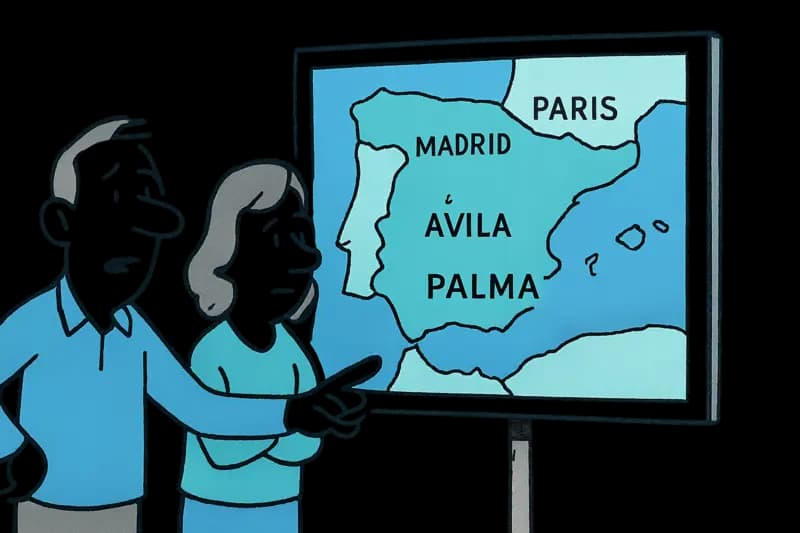
Advertising poster relocates Palma to the mainland - what the mistake says about us
An advertising poster for flights from Andorra shows Palma on the Spanish mainland. Why such an error occurs, what is mi...
Who Protects Valldemossa's Charterhouse? A Construction Site That Leaves More Questions Than It Opens
Two new entrances in the Claustre de les Murteres have pitted the administration against the opposition. Who authorized ...
Between Runway and Keel: How Boatbuilding Lives in Son Bonet, Mallorca
In the small Son Bonet airport, craftsmen preserve the island's boatbuilding tradition: restoration work, woodworking gu...
Debris by the Pool, Fear in the Streets: What to Do About the Squatted Hotel in s'Arenal?
For weeks people have been living in a vacant hotel on Rua Girona in s'Arenal. Trash, noise and insecurity plague reside...
More to explore
Discover more interesting content

Can Cap de Bou

Townhouse Lleo 72
