
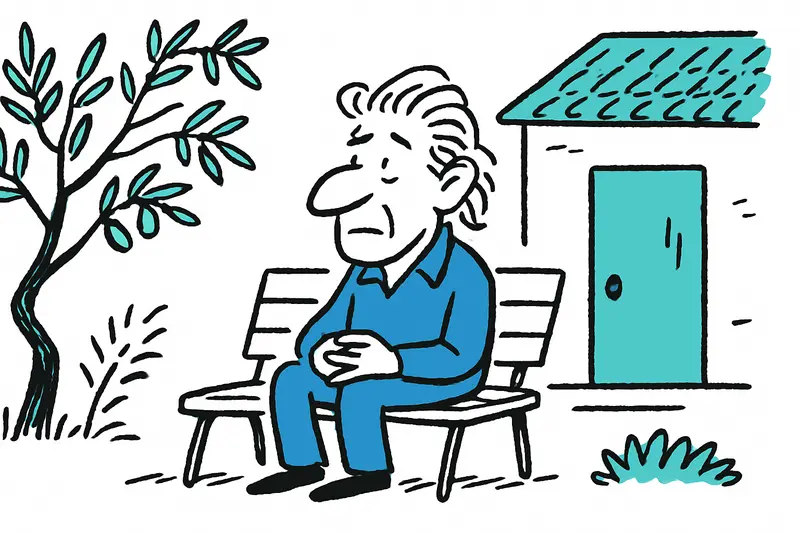
Peter Maffay on Mallorca: Review, Foundation and the Quiet Side of Progress
After 50 years on stage, Peter Maffay is cutting back on tours and deepening his work with the foundation on Mallorca — in the process encountering questions about resources, transparency and the sustainable integration of island society.
How does a celebrity project really affect Mallorca?
Standing in front of the wrought-iron gate of the foundation in Pollença means taking a deep breath first: Tramuntana among the olive trees, the smell of rosemary and somewhere the church bells — this is how stories begin here that start very German and then quickly become Mallorcan. Peter Maffay has built a lot in recent years. The guiding question is: does his commitment change the island in a sustainable way — and if so, how?
Less touring ego, more selective stages — a small disappearance from the spotlight
That Maffay has ended his big stadium tours hardly surprises anyone who appreciates the peace in the lanes of Pollença. The man trades mass frenzy for “Love Places” — halls with 10,000 to 14,000 seats where atmosphere and closeness matter again. For the island this means two things: less logistical excess, but also the chance to schedule concerts in the shoulder season and thus slightly spread out the seasons. A nice side effect for local restaurants and guesthouses if dates are cleverly coordinated.
The foundation — important, but not free of contradictions
The Peter Maffay Foundation on Mallorca is more than a PR picture: two weeks at Finca Ca’n Sureda farm festival, supervision, excursions into the mountains — many children experience a space here that they might not have at home. After shifting from German to Spanish children, the work is closer to local needs. But this also raises questions that are rarely discussed publicly: how sustainable are these short stays? Are local structures being strengthened or does a dependence on external impulses arise? Who measures success — and by what criteria?
Another often overlooked point is resource consumption. Water scarcity is real on Mallorca. Properties, fincas and projects consume water; add to that infrastructure debates such as the motorway. Celebrity help is welcome, but it must fit into a local water and land-use plan. Otherwise good intentions risk falling on dry ground.
What hardly anyone says: integration needs transparency and local jobs
An effect that repeatedly comes up in conversations with neighbors is the desire for more participation. Projects that create jobs for locals — not only temporary caregiving positions, but training places in social work, environmental management or trades — would strengthen structures. The same applies to transparency: public annual reports, local advisory boards or at least regular exchange rounds with the Ayuntamiento could reduce skepticism and build trust.
Concrete starting points — from rainwater to community tickets
Good intentions alone are not enough. Some practical proposals that have emerged from the local debate:
Water management: Rainwater storage, greywater use and xeriscaping around fincas and venues would actually save water. Partnerships with local agricultural projects could also bring exchange on sustainable irrigation.
Transparency and participation: Regular reports on participant numbers, referrals to youth services and on-site evaluations. A local advisory board with representatives from Pollença, conservation and social work could help design programs.
Local economy: Priority for local service providers, training programs for young people from the area and a community-ticket allocation for concerts — so neighbors benefit not only culturally, but also economically.
More than a feel-good project — the chance to become a model region
It would be wrong to be only critical. Maffay's commitment has real shine: doors have opened, strangers have become neighbors, and some children have found new paths here. But without accompanying measures much of this gain can evaporate. The island does not need charity, but sustainable partnerships.
On the Plaza de Pollença, when the afternoon sun warms the stone, you often hear the same thing: gratitude mixed with a desire for more participation. This is not a reckoning, rather an offer. If foundation, municipality and neighborhood accept this offer, a private initiative could become a model others can learn from — in education, conservation and social inclusion.
Conclusion: Peter Maffay's energies have found a new address — smaller stages, foundation days, family. That is likeable and human. For the island to gain more than nice stories, however, clear rules, local jobs and an honest approach to resources are needed. Then the music will not only continue to sound, it will also have an impact.
Frequently asked questions
Does Peter Maffay’s work in Mallorca have a real impact on the island?
What is the best time to visit Mallorca if you want a quieter atmosphere?
Can you still swim in Mallorca outside the main summer season?
What should I pack for Mallorca if I plan to visit the countryside or a finca?
Why do people in Mallorca talk so much about water use?
What role does Pollença play in Peter Maffay’s Mallorca projects?
How can celebrity projects benefit local people in Mallorca?
What makes Mallorca’s shoulder season a good time for cultural events?
Similar News

Palma at the Capacity Limit: Who Plans for Peak Days?
Four cruise ships, kilometer-long traffic jams in front of shopping centers and full car parks: the long weekend showed ...
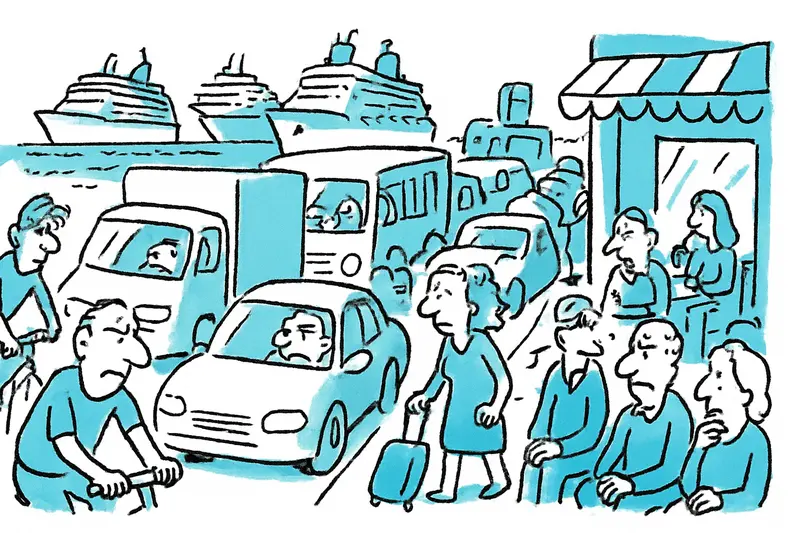
When Palma Overflows: Why the Long Weekend Brings the City to a Standstill
Four cruise ships, overfilled parking garages and a two-kilometre traffic back-up in front of the Fan entrance: who is r...

After the Fatal Rally Crash: A Reality Check for Mallorca
The death of L’Osteria co-founder Klaus Rader at the Rally 550 Challenge raises questions about safety on Mallorca's cou...
Who really protects Mallorca's coasts? A reality check after the viral beach video
A viral online video compared developed coasts in Turkey with Mallorca's beaches and praised the island. A good moment t...
Arenal: How Two Strangers Stole Jewelry from a 91‑Year‑Old — and What We Should Learn
In El Arenal two young women managed to gain the trust of a 91‑year‑old and steal jewelry from her apartment. A family f...
More to explore
Discover more interesting content

Can Cap de Bou

Townhouse Lleo 72
