
Flu wave in Mallorca: Son Llàtzer sets up 24 beds — is that enough?
Flu wave in Mallorca: Son Llàtzer sets up 24 beds — is that enough?
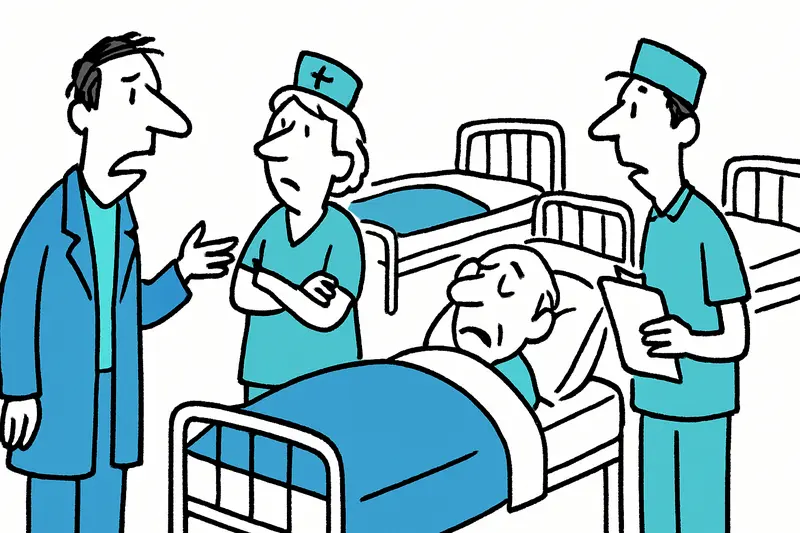
Son Llàtzer hospital has provided 24 additional beds and more nursing staff due to an early flu wave. We ask: Is that sufficient for Palma and the island?
Flu wave in Mallorca: Son Llàtzer sets up 24 beds — is that enough?
Key question: Are the 24 additional beds and the short-term reinforced staffing enough to ease the current burden in Palma and across the island?
At Son Llàtzer hospital in Palma the corridors are noticeably fuller than usual. Authorities now openly say: 24 additional beds have been made available, staff were hired at short notice, and currently 36 people are waiting for an available hospital bed. The Balearic health authority IB-Salut announces it will increase beds and staff in other clinics as well, as detailed in IB-Salut is mobilizing up to 215 additional beds. Vaccination recommendations and the wearing of masks with cold symptoms are being reiterated.
Critical assessment
24 beds sound like a quick operational solution, but they are not a panacea. A bed requires nurses, infection control, supplies and space in logistics — no number exists in isolation. If 36 patients are already waiting for a bed, that shows demand can exceed short-term capacity shifts. The report that IB-Salut wants to respond island-wide is fundamentally reassuring, but says nothing about how quickly beds actually become free or how many additional nurses will be present.
What is missing from public discourse
Concrete information is missing: How many nurses will be deployed additionally? Will other elective procedures be postponed to free up beds? Are there plans for temporary alternative spaces, coordination with emergency departments or a clear prioritization of cases? The situation in nursing homes and GP practices is often left out of the news, although bottlenecks there can create backlogs in hospitals.
A slice of everyday life from Palma
Early in the morning, when the bakery on Carrer Manacor puts out its first baskets of simit and ensaimada, you sometimes see shift changes in front of Son Llàtzer's entrance: nurses in blue-gray uniforms sipping tired coffee, an ambulance parked, an employee pushing the sliding door open and sending patients to admissions. The telephone switchboard sounds uniformly hectic, noises of wheeled beds and rustling plastic covers, and always the instruction: "For cold symptoms, call first." These small scenes show: capacity is not just beds, it is people and processes.
Concrete solutions
1. Transparent figures: IB-Salut should publish daily, easily accessible data: occupied beds, patients waiting, available ICU and regular beds, and staffing levels. 2. Short-term reprioritization: bundle or postpone non-urgent procedures to create beds quickly. 3. Mobile infection teams: deploy teams to nursing homes and GP practices to carry out tests, vaccinations and basic treatments to avoid hospitalizations. 4. Temporary emergency units: use vacant rooms in clinics or municipal buildings as observation stations for uncomplicated cases. 5. Protect staff: rapid tests, targeted vaccination offers for hospital staff and regulated rest periods so personnel do not become a bottleneck.
Why quick responses matter
A bed alone does not solve the problem if the system is stuck in multiple places. Patients waiting in the street or in emergency departments lead to increased stress for staff, longer response times in emergencies and worse outcomes for patients. If staff are already being temporarily reinforced, there must also be attention to long-term relief — because burnout and sickness-related absences would further weaken the system.
What people on site can do
Authorities recommend vaccination and wearing masks when symptomatic, guidance echoed in Masks Return in Mallorca: What the New Flu Wave Means for Us. That is pragmatic: getting the flu shot reduces the likelihood of needing inpatient care. It is also practical to call your GP or the on-call medical service first with cold symptoms to avoid unnecessary trips and waiting in emergency departments.
Pithy conclusion
The 24 extra beds at Son Llàtzer are a necessary step — but not proof the problem is solved. Anyone who has experienced the aerosol crowding in a busy ER knows: coordinated measures on multiple levels are needed. Clearer figures, targeted relief of nursing and GP structures and short-term available alternative spaces would be the truly effective tools right now. Son Llàtzer is reacting; the island must follow — and not just with beds, but with plan and speed.
Frequently asked questions
Is the flu wave in Mallorca putting pressure on hospitals right now?
Are 24 extra beds enough at Son Llàtzer in Mallorca?
What should I do in Mallorca if I have flu symptoms or a bad cold?
When is the best time to get the flu vaccine in Mallorca?
Why is Son Llàtzer in Palma especially busy during flu season?
Do masks help during a flu wave in Mallorca?
Is the flu wave affecting clinics and nursing homes in Mallorca too?
What happens if hospital beds run out in Palma during flu season?
Similar News
Smuggling in the secured area: How a gang exploited the duty-free zone at the airport
Two further arrests at Son Sant Joan airport: the Guardia Civil stopped a group that used cheap flight tickets to access...

Brawl at Palma Airport: When Competition Turns to Violence
In the arrivals area of Son Sant Joan a dispute between transfer service drivers escalated. One man was arrested, the vi...
77-year-old missing in Llucmajor: Why such cases on the island must not become routine
A 77-year-old German is missing in Llucmajor. SOS Desaparecidos is searching for Reiner Schnell. A critical assessment: ...
Ham Street, Sunglasses, Cocaine: When Sales Tricks Become Dangerous
A vendor at Playa de Palma offered a pair of sunglasses — and apparently hid a small packet of cocaine. The central ques...

Dancing Instead of Complaining: The Viral Duty‑Free Artist and the Payment Gap at Palma Airport
An actor dances through the duty‑free area in Palma, goes viral — and speaks of unpaid bills. Who is responsible, and wh...
More to explore
Discover more interesting content

Can Cap de Bou

Townhouse Lleo 72
