
Open at the Top Again — but Not for Everyone: La Seu's Terraces Under Scrutiny
Open at the Top Again — but Not for Everyone: La Seu's Terraces Under Scrutiny
The roof terraces of Palma Cathedral are accessible again, but opening hours, prices and strict access requirements raise questions. A critical assessment with everyday scenes and concrete suggestions.
Open at the Top Again — but Not for Everyone: La Seu's Terraces Under Scrutiny
Reopening is good for the view, but is that enough?
In the early afternoon, when the bells above the Plaça de la Seu send out their long tolls and tourists with cameras drift like small swarms under the flying buttresses, the cathedral is open again – at least partially. The roof terraces are open to visitors until November; tickets are available online via the cathedral's website or at the ticket offices on site. Groups depart every half hour, and each tour lasts about an hour.
Key question: Does the decision to reopen the terraces really ensure fairness and safety for the whole city — or is it primarily a solution that serves visitor flows?
The facts are clear: Regular admission is 25 euros and includes access to the cathedral, the terraces and the museum of sacred art. An audio guide in several languages, including German, can be booked additionally. Residents of the Diocese of the Balearic Islands receive concessions: free access on Fridays upon presentation of proof, and on other weekdays as well as Saturdays reduced tickets for eight euros if the ticket is purchased at the box office. For safety reasons access is restricted — people with heart or respiratory conditions, persons with a fear of heights or with limited mobility are excluded from the tour; minimum age is nine years.
Critical analysis: At first glance this sounds like a well-thought-out offer: culture, a view, accompaniment by audio guides. On closer inspection, however, several question marks remain. First, accessibility. The cathedral is a monument that belongs to Palma's identity. Bans on visits for people with limited mobility exclude precisely the group that lives in the city and would most appreciate long-term access. The alternative solution — special lifts or adapted routes — is not covered by the current regulation.
Second, communication and pricing: 25 euros for a combined ticket is acceptable for many visitors, but a burden for locals, especially if free access on Fridays requires bureaucratic proof and the reduced rate only applies at the box office. Those who work often cannot come to the city centre on Fridays — from many people's perspective the rule appears less thoughtful than generous.
Third, the safety argument: excluding people with heart or respiratory conditions as well as those with a fear of heights is understandable; the question, however, is whether this assessment is checked individually or applied across the board. No option for a medical clearance on site or an alternative, safety-checked accompaniment creates a rigid boundary where flexibility might be possible.
What is missing from the public discourse: talks about long-term accessibility, transparent cost breakdowns and the involvement of the neighbourhood. The discussion so far revolves around the spectacular view and visitor numbers. Voices from everyday life are hardly heard: the neighbour who goes to the market at noon and wants to see the terrace once in her life; the pensioner who cannot afford 25 euros twice; the children swinging on the plaça who would love to see the bell ringing from above.
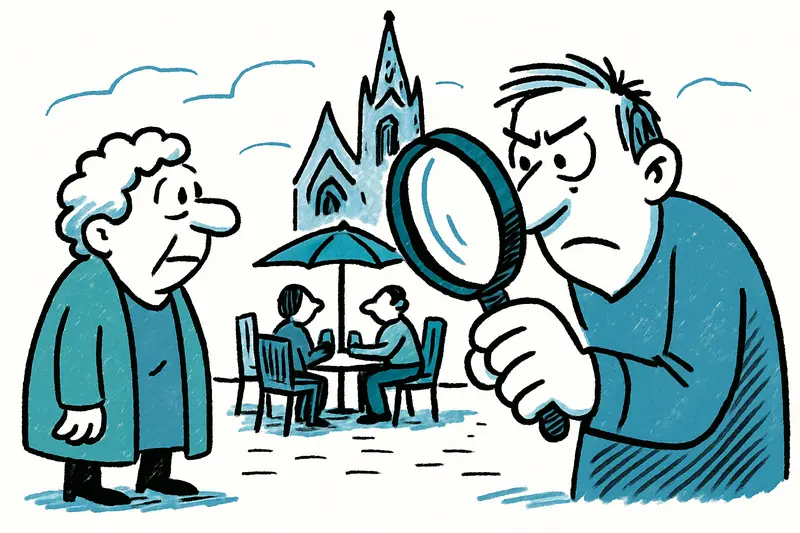
Everyday scene from Palma: On a windy March evening an older woman leans against the fountain in front of the portal, her shopping bags creak, the smell of freshly brewed coffee drifts up Carrer del Mirador from a bar. She looks up at the dark silhouette of the cathedral and says, 'My father used to be able to count the boats up there. Today we are only allowed up sometimes, and even then not everyone.' You hear such voices in the side streets, not in the official announcements.
Concrete solutions: First, the cathedral administration should work with the diocese and the municipality of Palma to develop a plan for gradual accessibility. This does not have to be a complete lift framework; often small interventions suffice, a vetted companion for people with limited mobility or special time slots with fewer visitors. Second: flexible ticket models for locals. An annual pass for island residents or a discounted afternoon window could be effective. Third: transparent safety criteria and a medical or administrative option to review exceptions. Fourth: more dialogue with residents — information events on the plaça, a round table with neighbourhood associations and tourism representatives.
Easy-to-implement measures would also include clearly visible notices at the ticket offices in several languages, special time slots exclusively for island residents, and the option to prove entitlement to reduced tickets online so that commuters and working people are not disadvantaged.
Conclusion: The reopening of the terraces is welcome news for Palma — the view from above remains an experience. But anyone who understands the cathedral as part of the city's communal life must think further: accessibility, fair pricing and transparent rules belong to sacred architecture as much as flying buttresses and rose windows. If administration, church and neighbourhoods now work together, La Seu can not only be a crowd-puller but again a place that belongs to the whole city.
Frequently asked questions
Is it worth visiting the roof terraces of La Seu in Palma?
How much does it cost to visit La Seu in Mallorca?
Can you book La Seu terrace tickets online?
Who is not allowed on the La Seu terraces in Palma?
Is La Seu in Palma accessible for people with limited mobility?
Do Mallorca residents get discounted entry to La Seu?
When is the best time to visit La Seu terraces in Palma?
What should I know before visiting La Seu in Palma with children?
Similar News
Fear in the Sa Teulera Forest: Youth Groups Harass Cruising Zone in Palma
In the wooded area of Sa Teulera, those affected report verbal attacks, property damage and intimidation. How safe is th...
Axa opens first health center in Palma: €3 million, 650 m² and more local access for La Vileta
In the heart of La Vileta, Axa has opened its first own health center in Mallorca. On around 650 square meters and with ...
30 Years of Nit de l'Art: What Palma's Art Night Really Shows — and Conceals
Nit de l'Art celebrated its thirtieth anniversary: full galleries, young visitors — and the quiet tensions between the a...
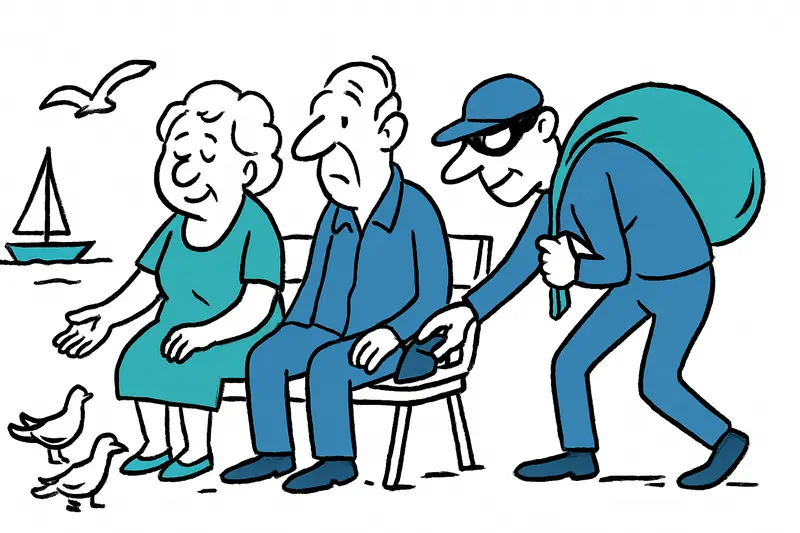
Hunt for Older Holidaymakers: Arrests after Suspected Pickpocketing in Port d'Andratx and Bellver
Five suspects were arrested after investigators accuse them of targeted pickpocketing of elderly tourists in Port d'Andr...
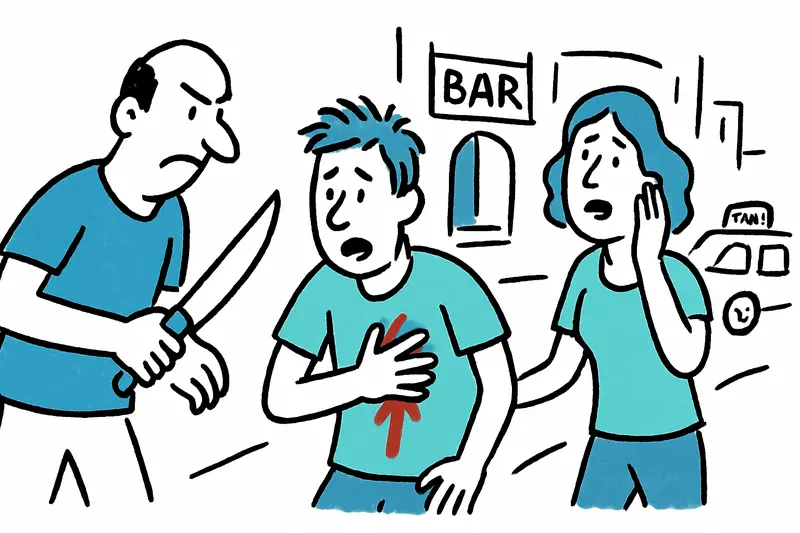
Knife stabbing in Magaluf: Why it must not remain an isolated incident
A 21-year-old tourist was stabbed in the chest in Magaluf and is in life-threatening condition. A reality check: what's ...
More to explore
Discover more interesting content

Can Cap de Bou

Townhouse Lleo 72
