
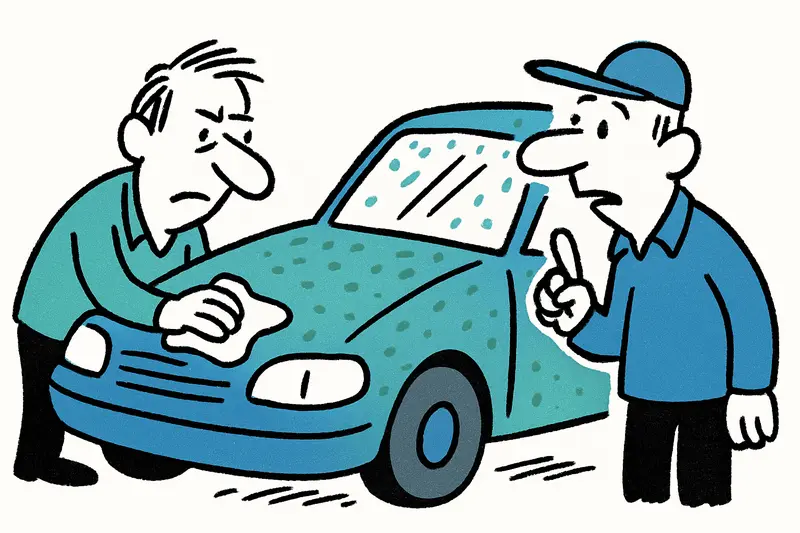
Sahara dust and muddy rain: What to expect next in Mallorca
Sahara dust and muddy rain: What to expect next in Mallorca
A low from North Africa brings Sahara dust to Mallorca — resulting in isolated showers with mud content and brown stains on cars, terraces and trees. What this means for everyday life, health and municipalities and how to prepare.
Sahara dust and muddy rain: What to expect next in Mallorca
Key question: How much will the dust disrupt life on the island in the coming days?
The last few days in Palma felt almost like the anticipation of summer: street cafés full, shutters along Passeig Mallorca rolled up, a light east wind carrying petals along the sidewalks. Now a low-pressure system is coming in from North Africa, bringing Sahara dust and dressing the island in a dusty layer for several days, as described in Mud Rain and Saharan Dust: Why the Weather Change Is Stirring Mallorca. According to AEMET the chance of isolated showers that can "wash" the dust out of the air is rising — for visibility and cars this means brown streaks.
Critical analysis: Forecasts indicate isolated, weak precipitation and highs that can locally climb to just under 28 °C (see Cold snap and mud rain: Atlantic front puts Mallorca to the test). At first glance that seems harmless. The problem is less the amount of rain than its content: fine desert sand. When rain binds this dust, visible residues remain on paintwork, paving and garden furniture. For daily routines this means dirty floors in entrances, more work for cleaning services and potential impacts for allergy sufferers and people with respiratory problems.
What often gets lost in public discussion is the burden on technical systems (air conditioners, air filters), the increased strain on municipal cleaning services and the economic side effects for small businesses — from the kiosk at Plaça Major to the car wash on Avinguda de Jaume III, as reported in Mud Rain over Mallorca: How Resilient Is the Island to Sahara Dust?. Those who run outdoor businesses will need to reorganize at short notice; those who rent holiday homes will soon be dealing with brown terrace tiles instead of new flower boxes.
Everyday scene: Early in the morning in Portixol you can already see the first cars with a fine brownish layer on the hood. Queues form in no time in front of the small car wash on the harbor promenade; Mallorcan voices mix with Spanish whispers of bewilderment: “Come back tomorrow, it will be better then.” In Café Sant Magí a fine film lies on the tables as well — the waiters wipe more often, customers eye their espresso cups critically.
Concrete approaches
1) Short-term: Cover garden furniture, avoid completely wetting balconies (that only spreads the mud), open windows only when the wind direction is favorable. For cars: do not go straight into the car wash immediately after the shower stops; it is better to rinse lightly with clear water first, as vigorous rubbing can damage the paint. People with respiratory problems should monitor AEMET warnings and, during high dust concentrations, prefer indoor spaces with closed windows and HEPA filters.
2) Municipal: Municipalities should prioritize cleaning roads and squares, monitor sensitive areas like hospitals and schools, and inform citizens early about closures or cleaning operations. Mobile information channels — municipal websites, SMS alerts, notices at ports and bus stations — help steer cleaning capacities where they are needed.
3) Economic: Operators of car washes and cleaning services can adjust shifts at short notice, coordinate mobile offers in holiday areas and communicate with landlords. Gardeners and cleaning companies should use products that do not damage stone slabs and tiles; simple tests in inconspicuous spots save trouble later.
Why this is not just a nuisance: Such events also reveal how closely urban life, tourism and infrastructure are intertwined. After the rain there are topics for conversation in bars and on beaches — and business for local service providers. On the other hand, it shows the importance of fast information channels; an early warning about dust can prevent queues at car washes.
Conclusion: The low from North Africa will bring Sahara dust and isolated muddy showers to us in the coming days. Minor disruptions are likely, major dangers are rarer. Those who act pragmatically — protect windows, vehicles and terraces, pay attention to local advice — will save nerves and money. The island will have cleaner air afterwards; until then it means a bit of wiping, a bit of patience and having a mask at hand if needed.
Frequently asked questions
What does Sahara dust mean for Mallorca’s weather in the next few days?
Is muddy rain in Mallorca dangerous, or mostly just annoying?
How should I protect my car during Sahara dust in Mallorca?
Should I keep windows open during Sahara dust in Mallorca?
What should people with allergies or asthma do during dusty weather in Mallorca?
What happens in Portixol when Sahara dust reaches Mallorca?
How does Sahara dust affect Palma’s streets and cafés?
Can you still go outside in Mallorca when the air is full of Sahara dust?
Similar News

Rental Car Theft in El Arenal: What This Incident Reveals About Our Gaps
A teenager steals a running rental car in El Arenal, flees on foot, climbs over walls and is caught by the Guardia Civil...
Red Rope in Palma's Library: What Helps Against Selfie Tourism — and What's Missing
Palma's city library cordoned off an area with a red rope to keep selfie tourism away from reading and working activitie...
Fort San Carlos: Museum, Harbor Dispute — and a Conflict That Demands Answers
The military museum at Fort San Carlos sits right on Palma's harbor, with unexpectedly quiet rooms filled with cannons a...
Old Town Under Pressure: When a Doorway Becomes a Sleeping and Shower Place
For months a woman has been living with a parasol, a clothes rack and personal belongings next to the social welfare off...
When Shopping Weighs Heavier: Mallorca Demands a Tax Pause on Food and Fuel
Rising prices are putting pressure on households and agriculture. The Balearic Islands are calling for temporary tax rel...
More to explore
Discover more interesting content

Can Cap de Bou

Townhouse Lleo 72
