
Mud Rain and Saharan Dust: Why the Weather Change Is Stirring Mallorca
Mud Rain and Saharan Dust: Why the Weather Change Is Stirring Mallorca
An Atlantic trough brings rain and Saharan dust: fog, muddy rain from Sunday and a temperature drop early in the week. A reality check for everyday life, traffic and gardens in Mallorca.
Mud Rain and Saharan Dust: Why the Weather Change Is Stirring Mallorca
Key question: How well is the island prepared for wet, sandy rain and its consequences?
Friday, 12 December 2025, and the sky over Palma hangs heavy. Morning fog muffles the sounds on Passeig Mallorca, delivery vans creep more slowly, and the smell of coffee blends with damp air. In Capdepera the thermometer showed around 16 °C at night, with 17–19 °C expected during the day — still mild, but unsettled.
Critical analysis
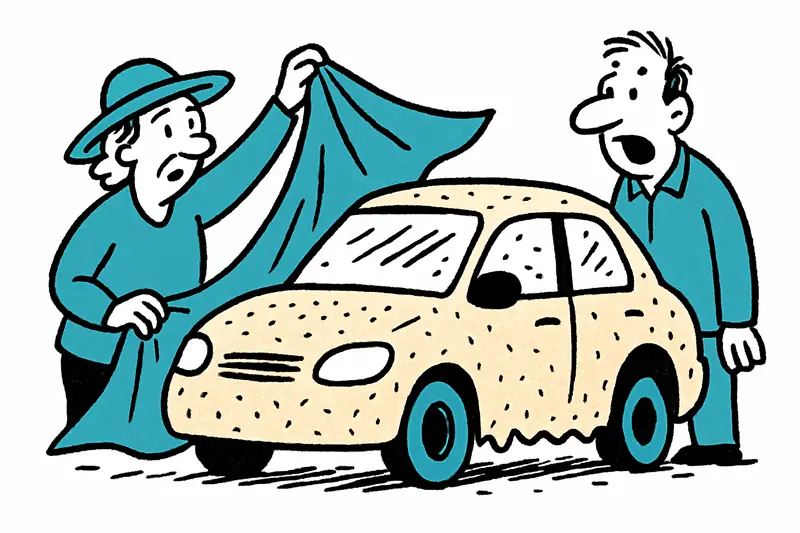
An Atlantic trough is pushing moist air into our region while Saharan dust sits in higher layers of the atmosphere. Cold snap and mud rain: Atlantic front puts Mallorca to the test. When rain falls through these layers, a thin brown layer — so-called mud or clay rain — lands on cars, terraces and plants. Mud Rain over Mallorca: How Resilient Is the Island to Sahara Dust? These deposits alone are not a weather emergency. It becomes problematic when reduced visibility from fog meets wet roads, or when the dust clogs open water and filtration systems. Drivers and hospitality businesses also repeatedly complain about the extra cleaning effort required after such events.
What is often missing from public debate
There is a lot of talk about precipitation amounts and temperatures, but little about the practical consequences: gutters blocked by dust deposits, soiled solar panels, extra strain on wastewater treatment plants and more work for street cleaning. Agriculture also suffers — fine dust settles on leaves and fruit and can clog irrigation systems. Short-term action recommendations for private households and businesses are often lacking.
Everyday scene on the island
Saturday morning in Son Servera: an elderly gardener quickly throws tarpaulins over her lemon trees, neighbors sweep terraces, a restaurant on the harbour promenade stacks chairs into storage. Small actions you don't hear about on the evening radio but that save work on Monday.
Concrete solutions
Private: park cars with windows closed, avoid driving with severely reduced visibility, only use windscreen wipers once the glass has been pre-wetted to avoid scratches. Cover furniture, plants and pools or clean them only after the rain eases — dry sweeping helps before water causes crusting. Solar panel operators should check modules after the event; a gentle rinse is more effective than hard scrubbing.
Municipal and commercial: prioritise sweeping plans for main roads and promenades, check street drains for blockages, coordinate cleaning teams with AEMET warnings, as explained in New Rain and Snow Front on Mallorca: What Does It Mean for Daily Life and Infrastructure?. Nurseries and businesses with irrigation systems should keep spare filters and check them regularly. For ports and fishing businesses: secure nets and remove light deposits so drying and processing run cleaner.
Traffic and health: those who experience fog combined with mud rain should drive more slowly and with due caution. Pedestrians and cyclists should consider reflective clothing. People with respiratory problems notice Saharan dust more; monitor current AEMET dust situation reports and reduce outdoor activities if necessary.
Concise conclusion
The upcoming weather change is not a catastrophe — but it will likely bring a week of dirty streets, more cleaning and annoyance over brown coatings on cars and furniture. A bit of preparation, quick coordination among municipal cleaning services and some tarpaulins are often enough to keep the trouble small. If you pause now and cover your terrace, you save yourself a week of scrubbing later.
Frequently asked questions
What causes mud rain in Mallorca?
Is it safe to drive in Mallorca when there is fog and mud rain?
How should I protect my car and terrace during Saharan dust in Mallorca?
Can mud rain damage plants or gardens in Mallorca?
What temperatures are expected in Mallorca during this unsettled weather?
What should hotels and restaurants in Mallorca do before mud rain?
Does mud rain in Palma affect daily life much?
What should people with respiratory problems do in Mallorca during Saharan dust events?
Similar News

After Being Admitted to Hospital Again: Heinz Hoenig and the Questions We Should Ask in Mallorca
Long-time Mallorca resident Heinz Hoenig was admitted to hospital again. A clear “what next?” is missing from the covera...
Yellow Alert: Is Mallorca Prepared for the Next Rain Band?
Aemet has issued a yellow alert for the south, southwest and the island's interior. Thunderstorms and heavy rain are for...
Kegel brothers trial postponed: Why Mallorca must wait for a verdict
The trial of 13 German holidaymakers will not begin until May 2028. The long wait raises questions — for victims, defend...

Chaos on Palma's Runway: Why the Summer at the Airport Was So Disrupted
This summer laid bare where Palma airport is faltering: only just over half of departures were on time and seven percent...
Cocaine Offer on Ham Street: Why the Open Trade Should Ring Alarm Bells
In the middle of Pare Bartomeu Salvà a tourist was offered a packet of cocaine as part of a sunglasses deal. A short int...
More to explore
Discover more interesting content

Can Cap de Bou

Townhouse Lleo 72
