
Mallorca in Gridlock: Why the Island Tolerates More Cars Than It Can Handle
Mallorca in Gridlock: Why the Island Tolerates More Cars Than It Can Handle
The number of vehicles in the Balearics is surging — more rental cars, more resident vehicles, more congestion. Why politics is barely acting and what concrete steps could help now.
Mallorca in Gridlock: Why the Island Tolerates More Cars Than It Can Handle
Key question: How much traffic can Mallorca still cope with — and who pays the price?
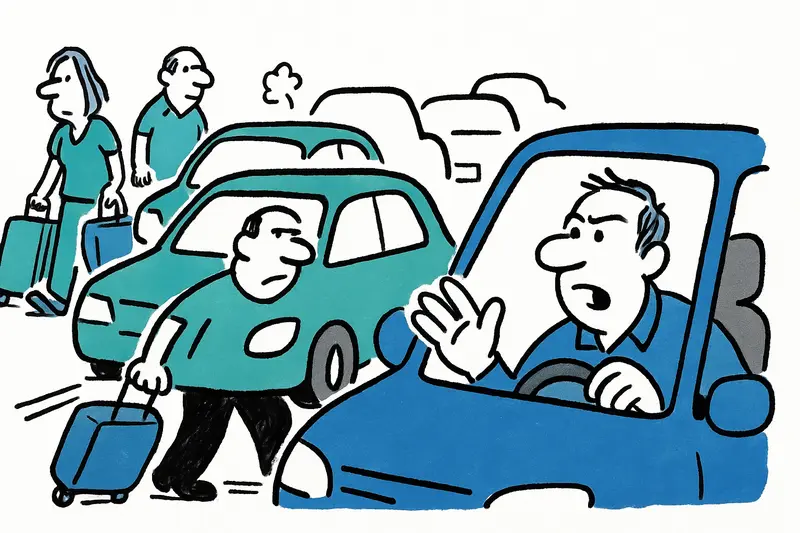
On a mid-morning in front of a parking garage at Plaça d'Espanya, a queue of white and silver rental cars stretches back to the exit. People with trolleys and suitcases on the pavement, the beeping of reversing vehicles, and the smell of brakes in the warm city breeze: this is no longer a holiday snapshot, it is everyday life. Numbers confirm what this feels like: around 1.14 million vehicles are now registered in the Balearics, and over 34,000 were added just last year. Cars and motorcycles are driving the increase — almost 20,000 more cars and more than 9,000 motorcycles; local reports include Too Many Old Cars in Mallorca: Why the Problem Runs Deeper Than the Exhaust.
The driving forces behind the problem are twofold. On one hand, visitor numbers are rising, as examined in Mallorca at the Limit: Will This Weekend Break the Visitor Maximum?; on the other, the resident population is growing. An additional factor: rental cars are being offered in much greater numbers. In April, 2,483 rental cars were newly registered in the Balearics — an increase of around 135 percent compared with the same month the previous year (1,058). Industry figures now speak of about 70,000 rental cars on the islands. Debate about capping these fleets is discussed in Rental Car Cap: Between Traffic Calming and Holiday Stress – What Mallorca Must Consider Now.
The sum of these developments is tangible: congestion on the Andratx route, delays on the road to Inca, slow traffic on the Vía de Cintura around Palma, and backups on the approach to the airport are now almost daily companions. In narrow town centres — Cala Millor, Alcúdia, parts of Capdepera — parking shortages reign: municipalities are responding with reservations, controlled zones and fines.
Critical analysis: What is missing from the debate? In short: a binding strategy. The regional legislature has rejected motions to limit vehicle inflow; the decision at the end of April showed there is currently no political majority for strict caps. The island council also rolled back similar initiatives. At municipal level there are targeted measures: Alcúdia has reserved around 2,000 parking spaces for residents and tightened enforcement; Son Servera and Capdepera have introduced parking rules in tourist areas. But such isolated actions are like band-aids on gaping wounds.
Three elements are missing from the public discourse: first, a realistic assessment of how many vehicles the road infrastructure can sustain in the long term; second, a clear concept for the rental car sector (caps on registrations, concessioned fleets, parking and servicing areas outside sensitive zones); third, binding traffic models that bring together commuting flows, delivery traffic and excursion destinations. Without this information, discussions remain reactive and locally limited.
Everyday scene: On a cloudy evening traffic pushes along the Ma-1 towards Cap Formentor, drivers honk, a coach stops, two motorcycles overtake between lanes. Residents along the route complain that excursion stops and coach gaps bring new litter and noise. These snapshots show it is not just about numbers but about quality of life in villages and the feeling of still being in control of one's own street.
Concrete solutions — practicable and legally feasible:
1) Regulate rental cars: introduce a maximum fleet size per operator and an annual new-registration quota linked to revenue or seasonal data. Operators would have to prove parking and maintenance areas outside sensitive zones. Such conditions can be embedded in concession or licensing regimes.
2) Access quotas and digital reservation systems for heavily burdened destinations (e.g. Cap Formentor): instead of blanket closures, pre-bookable time slots could smooth peaks and at the same time generate income for nature conservation.
3) Parking management: expand resident parking zones, as practised in Alcúdia, combined with dynamic parking fees in centres and hotspots. Clear signage and automated enforcement reduce arbitrariness and create revenue for transport alternatives.
4) Strengthen attractive alternatives: more direct links with electric shuttle buses to popular beaches and viewpoints, better frequencies for regional buses, and closing gaps in the rail network should be considered. For short distances: safe cycle and e-bike lanes, protected parking facilities, and rental systems with incentive models.
5) Logistics time windows: delivery and heavy goods traffic should be bundled in time so that shop deliveries do not clog the morning rush hour. Municipalities can regulate delivery times by ordinance.
6) Transparency and data: regional traffic monitoring and publicly accessible data on vehicle flows, parking occupancy and rental fleets enable fact-based decisions instead of public debates without a numbers basis.
These proposals are not silver bullets, but they are concrete and applicable — and they set priorities: less rhetoric about bans, more management. Some measures can be implemented immediately at municipal level, others require legal frameworks from the autonomous government or the regional administration.
Conclusion: Mallorca stands at a crossroads. Without coordinated measures, congestion will shift into ever new neighbourhoods and the quality of life in tourist-attractive places will erode. Politicians have the tools, but they need the courage to combine control, incentives and infrastructure investments. Otherwise one result remains: piecemeal regulation, continued suffering in traffic, and bewilderment about why the island is getting louder and slower.
Frequently asked questions
Why is traffic in Mallorca getting worse?
When is traffic worst in Mallorca?
Do rental cars make traffic in Mallorca worse?
Is it difficult to park in Palma and other Mallorca towns?
What traffic problems are common on Mallorca’s main roads?
Can you drive to Cap Formentor without getting stuck in traffic?
What is Mallorca doing to reduce car traffic?
Are there better alternatives to driving in Mallorca?
Similar News

Rental Car Theft in El Arenal: What This Incident Reveals About Our Gaps
A teenager steals a running rental car in El Arenal, flees on foot, climbs over walls and is caught by the Guardia Civil...

Red Rope in Palma's Library: What Helps Against Selfie Tourism — and What's Missing
Palma's city library cordoned off an area with a red rope to keep selfie tourism away from reading and working activitie...

Fort San Carlos: Museum, Harbor Dispute — and a Conflict That Demands Answers
The military museum at Fort San Carlos sits right on Palma's harbor, with unexpectedly quiet rooms filled with cannons a...

Old Town Under Pressure: When a Doorway Becomes a Sleeping and Shower Place
For months a woman has been living with a parasol, a clothes rack and personal belongings next to the social welfare off...

When Shopping Weighs Heavier: Mallorca Demands a Tax Pause on Food and Fuel
Rising prices are putting pressure on households and agriculture. The Balearic Islands are calling for temporary tax rel...
More to explore
Discover more interesting content

Can Cap de Bou

Townhouse Lleo 72
