
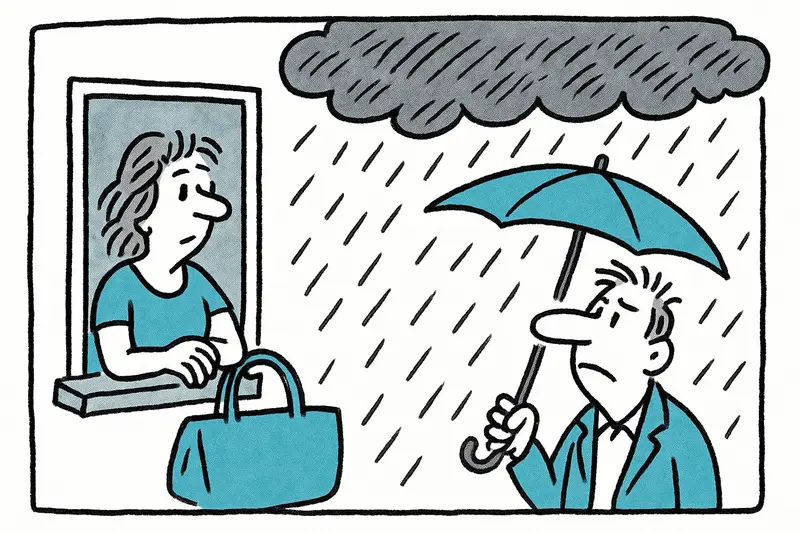
Orange Alert: How Mallorca Is Preparing for a Wet Late Summer
Warm sea, moist air — and suddenly an orange alert: why Mallorca is now more often surprised by short, intense showers and which measures island residents and municipalities should take immediately.
A central question: Are we ready for more frequent, sudden late-summer thunderstorms?
Passeig Mallorca was a little more subdued this morning than usual: people pulled their jackets tighter, café indoor areas filled up, and somewhere an umbrella clattered in the wind. Almost the entire island is on a Orange Alert: Torrential Rains — Is Mallorca Prepared?, with only Palma apparently still at yellow. That sounds like classic weather trouble — but the background and the consequences for our everyday life run deeper than a brief news note suggests.
Why are there more storms and heavy rain now?
The Mediterranean around Mallorca still holds 27–28 °C — enough to pump a lot of water vapor into the air. When this warm, humid air meets cooler upper-level air, the energy shoots upward and forms compact, energy-rich storm cells. Meteorologically this is not a gamble: this pattern can accompany us until about early September. For tourists this means: less blazing heat, but more frequent short, intense downpours that are locally highly concentrated.
What often gets too little attention: infrastructure and natural channels
We like to talk about temperatures and beach days, but less about the barrancos, torrents and the old channels in the villages. These narrow riverbeds react extremely quickly to heavy rain. A cloudburst in Sóller or in the Raiguer can turn a street into a riverbed within minutes, as described in Storm Alert: Orange Warning for North and Northeast — What Mallorca Residents Should Know Now. Clogged storm drains, outdated drainage systems and loose deposits worsen the problem. Agricultural areas also suffer: vines and olive trees tolerate standing water badly, and short-term floods can permanently damage harvests.
Practical risks for tourism and mobility
Storm Alert: Is Mallorca Prepared for the Deluge? Small excursion boats should take warnings seriously; for operators that means having a plan B ready and avoiding afternoon trips where possible. On the island's switchback roads, mudslides and poor visibility increase the risk of accidents. In Palma you can see the everyday consequences: shopkeepers mop more often, street sweepers are out, and taxi drivers already choose wet alternative routes out of habit.
What you can do immediately today
A few simple things help right away: pack an umbrella and waterproof shoes, secure garden furniture and sunshades, bring in loose pots. If you live on a slope or near a barranco: check storm drains, keep access routes clear and have sandbags ready. Boat owners should reconsider mooring maneuvers and plan a safe parking option for guests. People who are sensitive to air pressure changes: stay calm, drink enough fluids and postpone appointments if possible.
Longer-term approaches: Not just repair, but plan ahead
The bigger question is how Mallorca will permanently deal with more frequent, short heavy-rain episodes. Useful measures would include regular cleaning and modernization of drainage systems, more retention areas in urban zones and targeted reforestation on erosion-prone slopes. Small actions like smart traffic management or flexible market opening hours on rainy days would also ease many problems. Local coverage of preparedness can be found in Orange Alert: Heavy Rain and Thunderstorms Mainly Affect Northern Mallorca.
Technology and communication as keys
A better local early-warning system with sensors in critical torrent channels, linked to SMS or push messages for affected residents, could save lives in critical hours; such systems cost money, but pay off if they prevent floods and protect harvests, as advised in European Commission guidance on flood risk management. Municipalities should consider whether temporary road closures, relocated school activities or short-term halls as alternative shelters are possible.
A few concrete proposals that have quick effects
- Regular cleaning of storm drains and soakaways before autumn.
- Visible warning signs at barrancos and temporary barriers.
- Municipalities set up an SMS distribution list for residents in torrent-prone areas.
- Gravel and sandbag depots at strategic, quickly accessible points.
Local impressions and a final glance
At the kiosk on the plaça there was already a light drip from the tiles. The smell of wet earth rose up, a sound like distant drums. No reason to panic, but a wake-up call: late summer is changing its mood. Those who stay alert, secure their surroundings and take simple measures can minimize surprises. Then there is still time to enjoy the rain after coffee — and perhaps take a short stroll under an awning while the island clears up again.
Frequently asked questions
Why does Mallorca get sudden thunderstorms in late summer?
Is it still safe to go to the beach in Mallorca during an orange weather alert?
What should I pack for Mallorca when late-summer storms are possible?
Can heavy rain in Mallorca cause flooding on roads and in towns?
What should residents in Mallorca do before a storm arrives?
How does heavy rain affect driving in Mallorca?
Which parts of Mallorca are most vulnerable to sudden rain and runoff?
What can Mallorca municipalities do to reduce storm damage?
Similar News

Near-miss on Lanzarote: Landing Ryanair Jet and Iberia Takeoff — what really went wrong
On Lanzarote there was a dangerous incident: A Ryanair flight (FR5910) from Dublin landed on runway 03 while an Iberia E...

Eurowings introduces new Premium Business seats on Mallorca routes
From December 1, selected Eurowings flights to Palma and other destinations will feature eight particularly generous sea...

Car on MA-13 near Inca in flames – a safety check for the island
A vehicle caught fire on the MA-13 towards Alcúdia on Tuesday afternoon. The driver was uninjured, the car was destroyed...

Real Estate in Mallorca: Fewer Buyers, Higher Prices — What's Behind It?
Sales on Mallorca are falling, yet prices continue to climb. Why fewer transactions do not equal relief — and what shoul...
Just Bought — Already Trouble: Water Damage in the Heiters' Villa and What Owners in Mallorca Should Know Now
A newly purchased sea-view property — and within days a water damage. What risks lurk in new properties in Mallorca, and...
More to explore
Discover more interesting content

Can Cap de Bou

Townhouse Lleo 72
