
Can you still safely swim in the sea around Mallorca? A look at water quality in 2025
Official bathing water maps for 2025 show green almost everywhere — but how reliable are the measurements? A look at sampling cycles, causes of poorer results and concrete measures to keep Mallorca's bathing water clean in the future.
Can you still safely swim in the sea around Mallorca? A look at water quality in 2025
The central question sounds simple and yet is more complicated than a glance at the green marking on the map: 'Is the water safe right now?' On a windy morning at Platja de Muro, when children collect shells and the sea gently laps the sand, everything feels normal, as also noted in Mallorca Magic report on autumn water temperatures 2025. The official maps, however, show 113 sampling points – almost all green, only one yellow, as reported by Mallorca Magic report on bathing water quality 2025. Reassuring. Until you read the details.
How meaningful are the samples really?
Bathing waters are monitored during the season (usually May to October), but the system has gaps. There are only a few samples per sampling point over the summer; in remote coves in the northeast, some measurements can be weeks old. That means a thunderstorm, a night-time ship movement or a broken pipe can change the situation within hours – the map often remains silent, even though the European Commission bathing water rules aim to improve monitoring and public information.
Important to know: The green flag reflects an average and long-term finding. It is a good indicator of general trends, but not a live status display for the current moment.
Why results are worsening
Long-term data show a decline in 'excellent' sampling points. Causes are known but not always visible: aging sewer networks, overloaded treatment plants, and the problematic combination of stormwater and wastewater pipes. After heavy rain, untreated water often flows into the sea – and that is exactly when swimming is riskier than the weekly statistics suggest.
Added to this is the booming development and tourism pressure since the 1980s and localized pollution from boat moorings. In some municipalities – Palma is a positive example here – monitoring is denser, which builds trust. Other places lag behind: small coves around Portals Nous or hidden calas in the northeast are more vulnerable because maintenance and staff are lacking.
What is hardly discussed publicly
There are aspects that rarely appear in the debate: microcontaminants such as pharmaceutical residues or nutrient inputs are not included in every routine program. Resuspended sediments from anchoring activity, which bring bacteria and nutrients back to the surface, are often not taken into account. Climate change and more frequent heavy rain events exacerbate problems because systems are not designed for sudden volumes, as highlighted by the Mallorca Magic report on deep-water warming in 2025.
Concrete proposals – what would help now
A few measures could quickly improve safety:
1. Denser sampling cycles and rapid tests: More samples after rainfall, automatic samplers and quick tests could provide information on a 24- to 48-hour basis. That builds trust and protects against unexpected bathing bans; international guidance such as the WHO guidelines for safe recreational water environments discuss rapid assessment approaches.
2. Transparency and local warning systems: Mobile apps, displays on promenades and real-time social media messages. If the flag turns yellow, locals and tourists should find out immediately, not days later.
3. Infrastructure investments: Modernize treatment plants, build separate stormwater and wastewater systems, create retention basins. These are major projects, but they also bring jobs and, in the long run, better beaches – and thus sustainable tourism.
4. Local prevention: Allow boats to anchor only in designated areas, create green spaces and infiltration zones, simple awareness campaigns for households and landlords to avoid illegal connections.
What bathers can do themselves
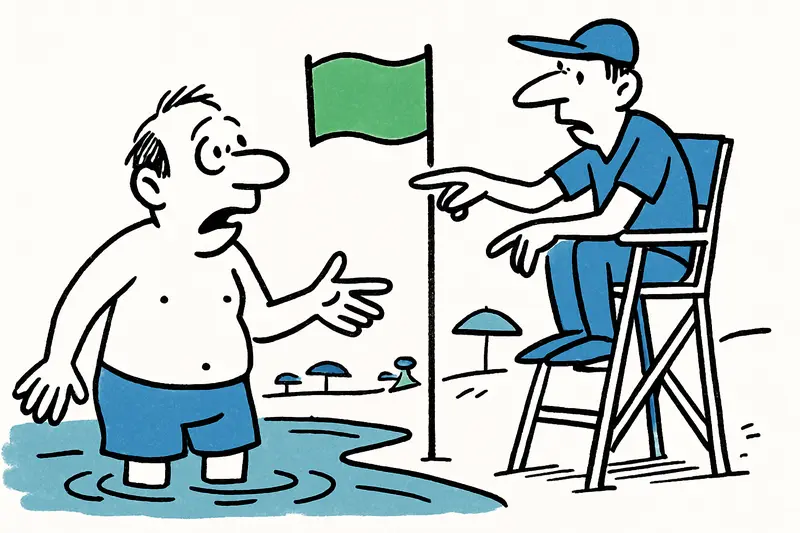
Practical everyday advice: after heavy rain wait before entering the water, pay attention to the flags on the promenade and read local notices. A lifeguard at the Playa recently said: 'People usually notice themselves when the water is cloudy.' True. But trust only grows when sampling cycles become denser and results are published promptly. A green flag helps – but it is not a 100 percent guarantee for the current moment.
Outlook: Mallorca has the chance to turn necessity into strength: more monitoring means not only more safety but also a better image for the island. If municipalities, operators and citizens work together, we will soon again more often hear the calming rustle of palm trees, see clear waves at the shoreline and be able to walk barefoot through the sand without worries. Until then: keep your eyes open, pay attention to the flags – and after the next storm enjoy a coffee on the promenade.
Frequently asked questions
Is it generally safe to swim in the sea around Mallorca in 2025?
When is it less safe to go swimming in Mallorca after rain?
What do the green, yellow and other bathing water marks mean in Mallorca?
How reliable are Mallorca’s beach water quality samples?
Are some Mallorca beaches more vulnerable to water quality problems than others?
What should swimmers do in Mallorca if the water looks cloudy?
What improvements could make Mallorca’s bathing water safer in the future?
What is the best way to check if a Mallorca beach is safe to swim today?
Similar News
Sudden Toxic Gas in a Hotel Pool: Who Is Liable, Who Protects?
Around 60 holidaymakers experienced symptoms after an incident in a hotel pool in southern Spain. Authorities suspect a ...
Four bodies off Portocolom: Who bears responsibility for the dead at sea?
Off Portocolom the Guardia Civil recovered four bodies from the sea. The circumstances are unclear and a possible link t...
When the Vendors Flee: What the Nighttime Police Operation at Ballermann Conceals
A night raid on the Schinkenstraße ended with a panicked flight of street vendors into the Bierkönig and damage to venue...
Poison from Technology: What the Pool Incident in Benahavís Should Tell Us
Around 60 holidaymakers were taken to hospital after a malfunction in the pool treatment system in Benahavís. Time for a...
Migrant boat lands in Colònia de Sant Jordi — Why the procedure on Mallorca's beaches is stalling
A boat reaches Colònia de Sant Jordi during the day. Twelve men come ashore, disperse, and the local police arrive with ...
More to explore
Discover more interesting content

Boat Tour with BBQ along Es Trenc Beach

Private transfer from Mallorca Airport (PMI) to Pollensa
