
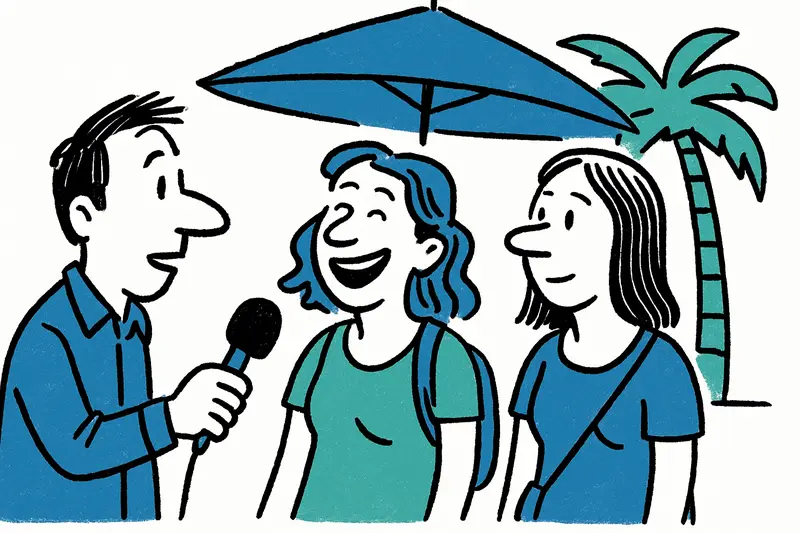
In the early morning at Playa de Palma, first-time visitors and returnees meet. Voices from the beach explain why Mallorca still surprises — and why many want to stay longer.
Between the scent of coffee, rustling palms and new favorite spots
It's not yet really hot, the cafés on the promenade are brewing the first café con leche, and the sea sparkles like a cautious greeting. At Playa de Palma voices from Dublin, the Saarland, North Rhine‑Westphalia and France mingle; they speak loud enough for you to catch a few fragments, but quiet enough so the seagulls don't lose the rhythm. I sit in the shade of a creaking avenue of palm trees and listen: How is the holiday going so far?
Duygu is still laughing as she talks about her plans. “We're here for the first time today,” she says, “we want to see more than just the beach.” Next to her Katharina nods: “I was here once before, but the real Mallorca is quieter than on TV.” The two grab a rental car, planning to head inland to Alcúdia and to hidden coves — the map's voices that you still have to discover.
Christian, known from the Ruhr area as a returnee, sounds familiar; his phrase feels almost like a ritual. “Mallorca is like a good friend,” he says. Every year there's a new corner that makes you take notice — this time it's the bar at Balneario 14 that he shows to a mate. Small rituals, great satisfaction.
From a quick beach day to slow discovery
Joshua and Nico from the Saarland seem like the classic young holiday duo: beach by day, Palma by night, mountains on the second day. “It's really great here,” Joshua says, gesturing toward the water. Yet behind the spontaneous cheer hides a sober plan: a bit of city air, some tapas, and then back to the beach where the wind whispers over the parasols.
Kiki and Tina, more frequent visitors and thus more seasoned, have a different kind of calm: “For us it feels like coming home,” Tina says, who as a flight attendant often uses stopovers. For us it feels like coming home, as explored in How Mallorca Really Becomes Your Home: A Practical Guide from Island Experience. She knows the cafés on the Passeig Marítim, the best times for the market and the hidden steps that lead to secluded sunny spots. Those who come more often learn the island like a good recipe — with small changes each time.
The French family, Étienne, Élise and little Simon‑Pierre, also join in. They try Spanish, also speak Mallorquín with a smile and praise the old town and the slow pace. “No stress, good food, beautiful walks,” Élise sums up. A sentence that sounds like an invitation.
What unites them all: Mallorca offers options. Some stick to Plan A (beach, sun, sea), others check off Plan B (villages, mountains, wine tastings). Many write spontaneous plan-change notes: one more day, one more cove, one more evening in Palma. The island is patient — and visitors notice that.
The rustle of the palms, the clatter of cutlery at the chiringuitos, the murmur in several languages: all of this creates a setting where travel feels easy. But the conversations at the Playa also show that the quality of what is offered matters — from clean beaches to authentic places off the main promenades; this contrast is also discussed in In the Rhythm of the Night: Who Really Benefits from Mallorca's Tourism?.
A tip: If you come outside the high season, you should plan for a rental car; many travellers choose late September for a more relaxed feel — Why Many People Fly to Mallorca at the End of September: Late Summer Instead of High Season.
That's good for Mallorca: visitors who stay longer or look beyond the concrete blocks bring different added value than pure day-trippers. Local cafés, small bars and landlords notice it immediately — empty tables in the morning and full conversations in the evening.
By the end of the morning the sun climbs higher, the voices get brighter, and some guests plan their next day. Whether Balneario or quiet cove, old town or mountain village — the island remains versatile. And the most frequent conclusion made that morning: one stay is rarely enough.
Frequently asked questions
Is Playa de Palma good for a relaxed beach holiday in Mallorca?
What is Mallorca like outside the high season?
Do you need a rental car to explore Mallorca properly?
What should I pack for a trip to Mallorca in late summer?
Is Palma worth visiting if you stay at Playa de Palma?
What is Alcúdia like for a day trip from Playa de Palma?
Where can you find quieter places near Playa de Palma?
What kind of holiday does Mallorca suit best?
Similar News
Near-miss on Lanzarote: Landing Ryanair Jet and Iberia Takeoff — what really went wrong
On Lanzarote there was a dangerous incident: A Ryanair flight (FR5910) from Dublin landed on runway 03 while an Iberia E...
Eurowings introduces new Premium Business seats on Mallorca routes
From December 1, selected Eurowings flights to Palma and other destinations will feature eight particularly generous sea...
Car on MA-13 near Inca in flames – a safety check for the island
A vehicle caught fire on the MA-13 towards Alcúdia on Tuesday afternoon. The driver was uninjured, the car was destroyed...
Real Estate in Mallorca: Fewer Buyers, Higher Prices — What's Behind It?
Sales on Mallorca are falling, yet prices continue to climb. Why fewer transactions do not equal relief — and what shoul...
Just Bought — Already Trouble: Water Damage in the Heiters' Villa and What Owners in Mallorca Should Know Now
A newly purchased sea-view property — and within days a water damage. What risks lurk in new properties in Mallorca, and...
More to explore
Discover more interesting content

Can Cap de Bou

Townhouse Lleo 72
