

When Mallorca Becomes the Backdrop of Scandals: A Reality Check on the Marius Case
When Mallorca Becomes the Backdrop of Scandals: A Reality Check on the Marius Case
Marius Borg Høiby, the stepson of Norway's Crown Princess, visited Colònia de Sant Jordi twice as a child. He now faces serious charges in court. What does this mean for the island — and what is missing from the public debate?
When Mallorca Becomes the Backdrop of Scandals: A Reality Check on the Marius Case
Why memories of holidays in Colònia de Sant Jordi are more than celebrity gossip
Key question: May a place that people fondly remember become, in public discourse, a stage for personal histories and alleged crimes — and what consequences does that have for Mallorca?
The core of the matter is brief: Marius Borg Høiby, now 29 and the stepson of Norway's Crown Princess, faces an indictment in Norway with a total of 38 counts and potential sentences of up to 16 years in prison. Shortly before the trial began, he was reportedly detained on Sunday evening; a request for pretrial detention of four weeks was filed, a situation that echoes other high-profile detentions on the island such as the pre-trial detention of a former minister over mask contracts.
Critical analysis: It is understandable that public figures and their families attract attention. But two levels dangerously blur here: facts about the person versus the dramaturgical use of memories. That a person played in the sea with their family as a child is a fact. If the same memory is repeated in the context of very serious allegations, it can shift perception — without legal value. The media's retrojection of childhood scenes onto alleged crimes turns a holiday photo into a symbolic evidence display, even though courts and investigations seek evidence, not pictures from the past; this dynamic is visible beyond individual cases, for instance in discussions about reality shows and island feuds in When Old Feuds Become Mallorca Fodder: What 'The Reckoning' Does to the Island.
What is missing from public discourse: the voices of those affected and a sober classification of the legal situation. Reports mention the number of charges and the maximum possible sentence; that is important. What is often missing, however, is how a trial proceeds, what rights the accused and victims have, and how long investigations can take, as illustrated by recent local proceedings such as the trial of Matthias Kühn in Palma. Also rarely discussed is the responsibility of the media and social networks not to overload the everyday life of third parties — such as a holiday community — with sensational material.
An everyday scene from Mallorca to put this in context: On a wintry morning in Colònia de Sant Jordi you hear the seagulls above the Platja, the hum of delivery vans on the MA-614 coastal road and the soft clatter of tables in a café on the Paseo Marítimo. Longstanding fishmongers remember summers when well-known guests came and went discreetly. Many residents want their place to remain a place — with all the small sounds of everyday life, not a backdrop for endless headlines.
Concrete approaches: First, local authorities and media representatives should establish clear guidelines for reporting on sensitive criminal proceedings — separating facts, context and speculation. Simple practice: clearly label historic holiday photos as not constituting evidence of crimes. Second, more transparency is needed from judicial authorities about procedural steps so that speculation does not fill the void. Third, victim support must be visibly strengthened — anonymous help paths, hotlines and local counseling centers should be provided when serious allegations circulate. Fourth: promote media literacy — readers should be encouraged to distinguish accusations from convictions and to critically evaluate sources.
Another suggestion for the island: tourism and municipal bulletins could offer a brief orientation on how places want to deal with prominent incidents — without censoring, but with the aim of not stifling everyday life. The balance is difficult but possible: fairness toward proceedings, respect for victims, and protection of uninvolved community members.
What is not acceptable: reducing a current trial to early holiday photos as a narrative shortcut. That narrows the public sphere and turns a complex legal question into a series of images. It is a fine line between legitimate interest and voyeurism.
Concluding point: Mallorca is not a stage set, even if celebrities often stop here. The island with its streets, cafés and beaches has a life of its own that should not be sacrificed to every headline. At the same time, the seriousness of the accusations in this case calls for a factual, rule-of-law perspective — not merely nostalgic beach pictures or sensation-driven comparisons. For residents, business owners and readers this means: look more closely, speak more calmly, let the justice system do its work — and let the seagulls over the Paseo continue to circle without their calls being instrumentalized for headlines.
Frequently asked questions
Why do Mallorca holiday memories keep appearing in celebrity scandal coverage?
Can old holiday photos from Mallorca be used as evidence in a criminal case?
What is it like in Colònia de Sant Jordi outside the tourist season?
Why do local communities in Mallorca react strongly when a place is linked to a scandal?
How should the media report on serious cases connected to Mallorca?
What should readers keep in mind when following a criminal case involving a public figure in Mallorca?
Does Mallorca have a role in court proceedings linked to high-profile people?
Why do residents want Mallorca to stay separate from celebrity headlines?
Similar News
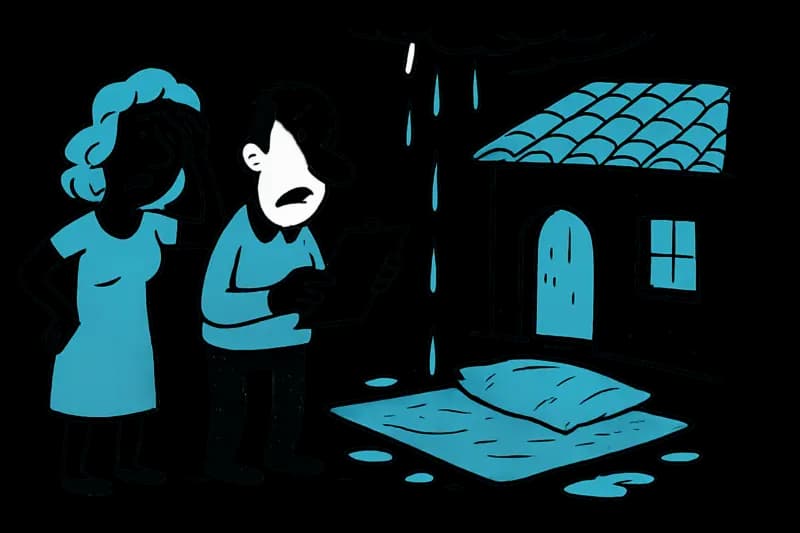
Just Bought — Already Trouble: Water Damage in the Heiters' Villa and What Owners in Mallorca Should Know Now
A newly purchased sea-view property — and within days a water damage. What risks lurk in new properties in Mallorca, and...

Rich, Richer, Mallorca? A critical look at the growing super-rich bubble
Numbers: Around 3,600 millionaires in the Balearic Islands hold a combined €27.6 billion. What this concentration of wea...
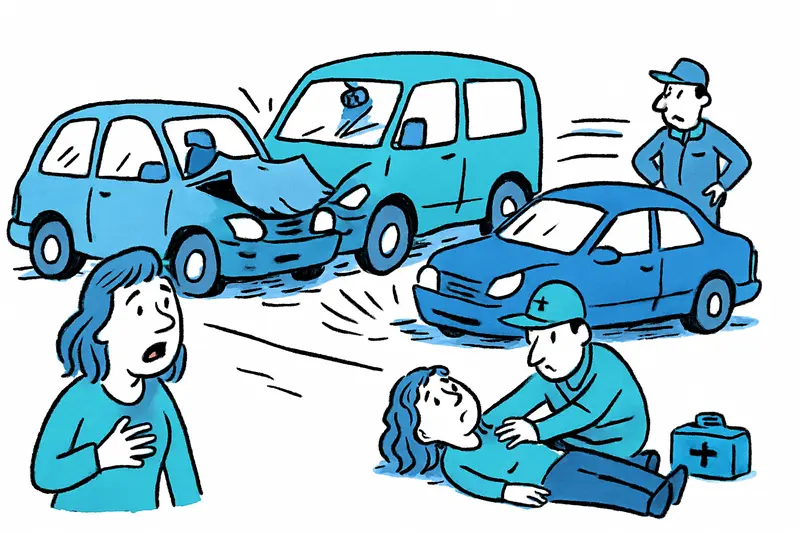
Chain reaction on the MA-1: Eight injured in rear-end collision near Portopí
On Tuesday morning there was a crash at the Andratx exit to the MA-1 towards Palma: a rear-end collision between a car a...

Happy Couple and Water Damage in Mallorca: A Reality Check for Home Buyers
Just moved in, already water under Mallorca's sun: the case of the influencer couple highlights risks often overlooked w...
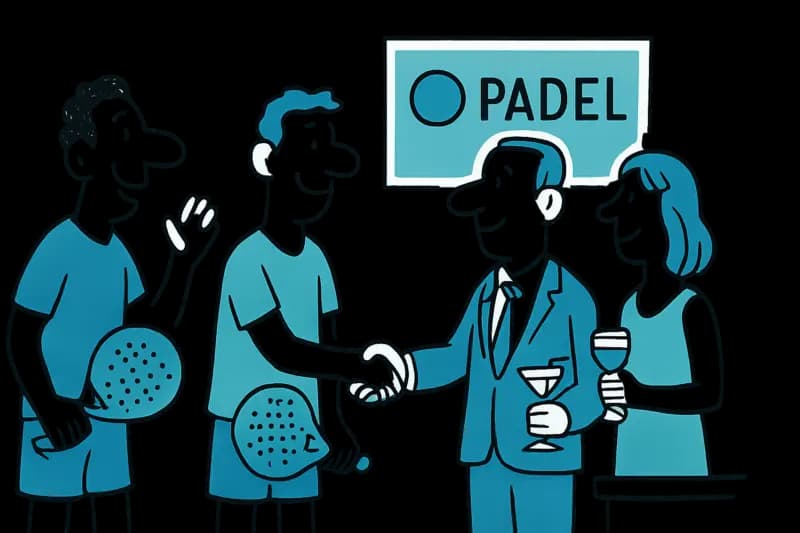
Bendinat as a meeting place: Padel Cup brings together nearly 120 players
Three days of padel at the Bendinat Urban Country Club: organized by El Económico and Borbalán, with around 120 particip...
More to explore
Discover more interesting content

Can Cap de Bou

Townhouse Lleo 72
