
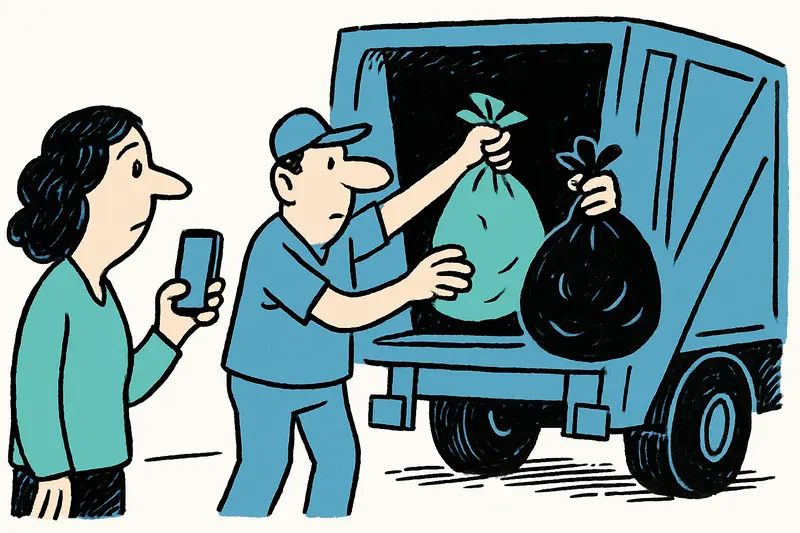
Marratxí: When separated bags end up in the same truck — video causes uproar in Carrer Major
A resident filmed hygiene bags being loaded next to recyclable sacks into the same garbage truck. Why promises from the town hall don't change anything — and what Marratxí should do now.
Video from Carrer Major exposes a recurring problem
On a hot morning, when Marratxí's church bells were still ringing and the neighbor dogs barked briefly, a resident pulled out her smartphone: the result is a short, clear record of frustration captured in a local report with the neighbour's video. In the clip you can see bags of cat litter and other sanitary waste, placed close to plastic bags and bundles of paper, being dumped one after another into the same garbage truck. The sound of crunching plastic, the clatter of the tailgate and a worker's voice with the laconic sentence "That's how you do it" — that lingers.
The central question: Why does what should have been stopped repeat?
The woman already reported it to the town hall in mid-August and was promised a "solution." Yet the same picture has now reappeared. That raises the question whether it is due to a lack of oversight, poor work processes, or other causes. And it shows: promises without visible consequences are no longer believed in the neighborhood. This is not isolated: Binissalem residents and environmentalists demand concrete measures in response to persistent waste problems nearby.
Not just annoyance — real consequences for the climate and the wallet
For all those who separate plastic, paper and organic waste cleanly, the scene is more than annoying. When separated material is mixed, it often ends up in the incineration plant rather than being recycled. That increases disposal costs and leads to unnecessary CO2 emissions. For many neighbors this is a breach of trust: they invest time and attention, but the effort evaporates when the separation ends at the truck. Better sorting and adherence to rules are the basis of the European Commission guidance on waste and recycling.
System error or isolated incident? A look behind the collection curtain
In Marratxí there is a rotating system: certain fractions are collected on set days, while hygiene and pet waste may often be put out daily. This only works if drivers and collectors follow clearly separated procedures. In practice, several causes stand in the way that are rarely discussed openly:
Work pressure and schedule. Routes that run through narrow streets like Carrer Major leave little room for manoeuvre. When the timetable is tight, efficiency wins over care.
Unclear or missing vehicle separation. Many vehicles are not modular enough to transport separate containers cleanly.
Lack of oversight. There is a lack of regular spot checks and visible markings on vehicles, so residents can hardly trace which truck is responsible.
Added to this are language barriers, changing subcontractors and often poor pay — factors that can dampen motivation for careful separation.
Concretely: What Marratxí should do now
The solution does not lie in a single act, but in several linked steps. Some proposals that could have short- and medium-term effects:
Immediate: A clear, written instruction from the town hall that hygiene waste must be collected separately, accompanied by visible route numbers on the vehicles. An easily accessible complaints office with quick feedback — by email and phone — would already regain a lot of trust.
Short term: Training for drivers and collectors, a checklist per route and spot checks by independent inspectors. Visible consequences for repeated violations, such as fines for the responsible companies.
Medium term: Investments in trucks with separate compartments or removable containers, clear labelling of fractions and digital documentation of routes (e.g. GPS logs, anonymised dashcams under data protection conditions).
How the neighborhood can help
Residents should remain vigilant: note time, street and license plate, take photos and short videos and consistently file complaints. It's tedious, but it helps. It is important to keep the balance: not every untidiness is a scandal, but repeated patterns must be made public — as happened when trash chaos in s'Arenal prompted residents to mobilize.
A final thought
The scene in Carrer Major is more than a nuisance between two courtyard doors. It is an indication of how local services, occupational safety and environmental goals are linked. If Marratxí wants to continue to value sustainable behaviour, the administration and the waste contractors must step up — with clear rules, controls and a bit of respect for those who follow the separation guidelines. Otherwise all that remains is the smell of burnt plastic and the bitter aftertaste that good intentions were lost on the way to the garbage truck.
Note: If you observe similar incidents: note the time, street and license plate and report them to the municipal administration. Only documentation creates pressure — and changes behaviour.
Frequently asked questions
Why are separated waste bags sometimes collected together in Mallorca?
What should I do if I see waste separation being ignored in Marratxí?
Does mixed waste collection affect recycling in Mallorca?
When is household waste collected in Marratxí?
What is the complaint process for waste collection problems in Marratxí?
Why are residents in Carrer Major upset about the garbage truck in Marratxí?
What can the town hall do to improve waste collection in Marratxí?
How can I separate household waste correctly in Mallorca?
Similar News
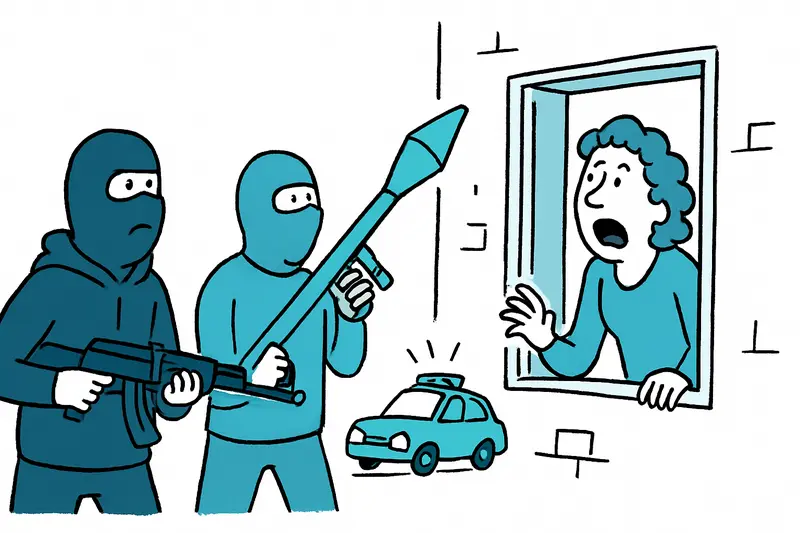
Masked Images, Real Panic: When Social Media Aesthetics Alarm Neighbors
Five German content creators filmed on a recently vacated detention site using deceptively realistic props. The result: ...
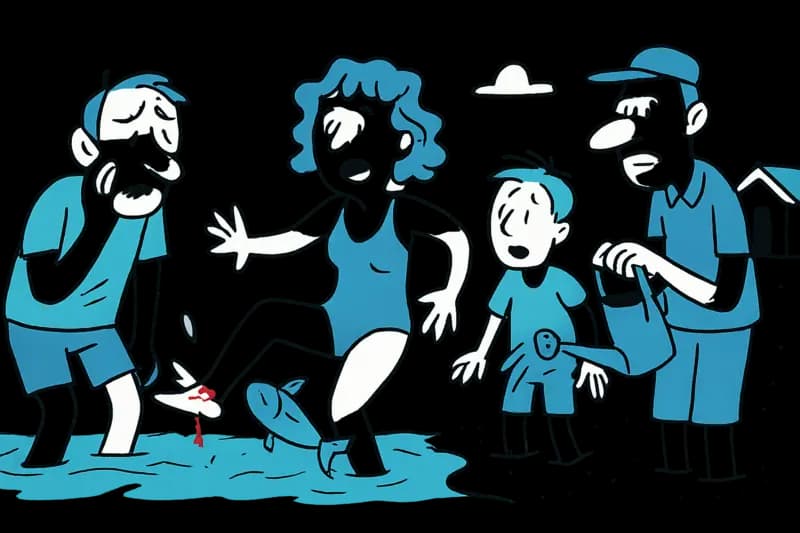
Why the Striped Breams in Cala Pí Should Be a Wake-up Call
Once again bathers in Cala Pí were surrounded while swimming by small, nippy fish — some wounds bled. Time for clear rul...
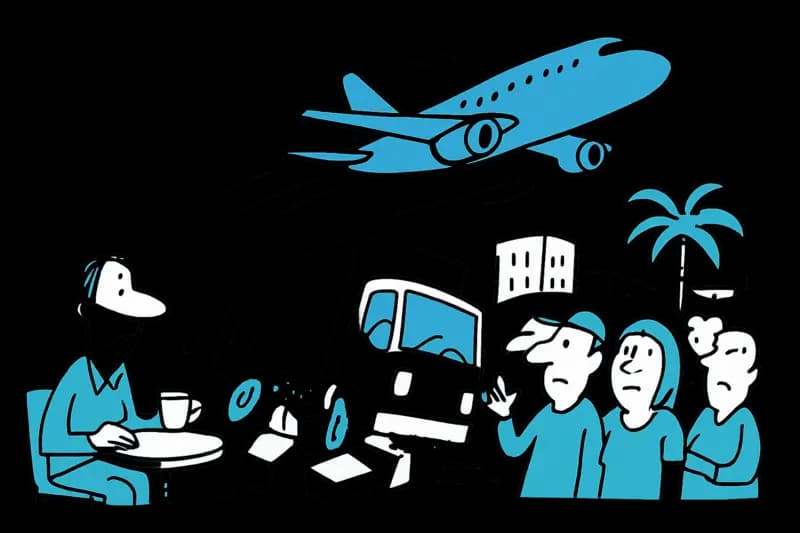
Daily from New York: How Palma's Air Traffic Is Growing — and What Must Change
United will increase the Newark–Palma service to daily flights in 2027 (Boeing, 231 seats). Strong tourist numbers clash...

When Love Ends in Shards: Destruction in Son Vida and the Questions That Remain
In Son Vida a relationship dispute escalated: a woman destroyed furniture in a luxury villa, later pressed a panic butto...

Who Bears the Burden? Mallorca Between Tenant Protection and Landlord Fears
Madrid's new housing decrees strengthen tenant rights — but on Mallorca concern is growing: will the law drive small lan...
More to explore
Discover more interesting content

Can Cap de Bou

Townhouse Lleo 72
