

M2 to Son Espases: Opportunity for Commuters — but Many Open Questions
The idea of a dedicated M2 metro line from Plaça Espanya to Son Espases hospital sounds simple and useful. But before tunneling begins there are technical, financial and social pitfalls — and questions that need answers now.
M2 to Son Espases: Opportunity for Commuters — but Many Open Questions
The city's proposals sound pragmatic: an independent metro line M2 from the intermodal station at Plaça Espanya directly to the central Son Espases hospital, as discussed in Tunnel fantasy or construction reality? The metro plans for Son Espases under scrutiny. For many employees, patients and visitors this would be a real relief — especially on rainy mornings when the MA-19 is jammed and ambulance sirens wail along the ring road.
The central question: Separate line or extension of the existing route?
At heart is a simple but crucial question: Does Mallorca need a completely new, independent route — or would an extension of the existing metro suffice? This issue is examined in Metro to Son Espases: Tunnel or Branch? Palma's tricky transport decision. A standalone M2 promises short travel times (estimated 12–15 minutes from Plaça Espanya) and flexible intervals that could reliably cover shift changes at the hospital. But separate trains, a dedicated operations depot, additional signal boxes and a new operational organization drive costs up.
What is often overlooked — the less visible risks
Many discussions focus on travel time and frequency. Less attention is paid to: Where will the maintenance depot be located? Is there enough space on an island where land is expensive? What risks do groundwater and geological voids pose in the tunnel area? And not least: archaeological finds can suddenly halt a project — as is known from road and building works here.
Another topic is the role of emergency vehicles. How will access routes for emergency services be secured during and after construction? If the MA-19 is blocked, we must not create the same bottlenecks along new construction sites. These safety questions have so far been too rarely worked out in the public debate.
Construction in densely built neighborhoods — what residents and businesses want to hear
On the ground, in the small cafés around Plaça Espanya, cups clink when construction plans are mentioned. Suppliers ask about access, café owners fear noise and loss of revenue. For tunneling there are two main options: the tunnel boring machine (TBM) keeps the surface largely intact but creates large logistical needs for ring segments and removal. Cut-and-cover hits the surface hard — with longer detours, dust and noise. Night work speeds things up but steals residents' sleep. Here binding rules, compensation mechanisms and transparent site management are needed.
Who really benefits? Traffic and operational questions
Fewer cars in front of the hospital and more reliable connections are clear pluses. But a separate line can mean extra transfers for many passengers. How should timetable coordination, fare design and transfer times be organized so that staff, patients and visitors actually save time? A poorly synchronized connection can cause commuters more hassle than benefit.
Practical measures could include early employee ticket programs, coordinated shift schedules with the transport operators and reserved corridors for medical transports. Those details determine in the end whether M2 becomes a real gain or just a prestige project for planning files.
Financing, environmental assessment and political compromises
The question of money is not just bureaucratic. EU funds, state loans, regional contributions or public-private partnerships are possible — each option has its pitfalls. PPPs ease the burden short-term but bind budgets for decades. Environmental impact assessments examine groundwater, flora, fauna and shifts in emissions. That takes time, costs money and leads to political compromises. And: the longer the reviews take, the more likely construction costs will rise or projects will have to be altered.
Concrete proposals to make the project acceptable
Instead of vague hopes, early decisions are needed on some core points:
- Transparent schedules: publicly accessible phased plans with milestones and clear construction timelines.
- Noise and dust protection: limited night work, strict dust control measures and compensation rules for those affected.
- Interim solutions: expansion of bus lines (BRT), additional shuttle services for shift changes and temporary park-and-ride areas until the tunnel is finished.
- Financing mix: a combination of EU funds, regional subsidies and municipal contributions, coupled with efficiency guarantees and clear cost caps.
- Citizen participation: early dialogue forums in the neighborhoods along the route so that delivery times, access and parking rules can be negotiated together.
Outlook: Waiting for 2026 — and what can be done now
The review and approval round is scheduled for 2026. Until then studies must be completed, environmental reports prepared and financing lines secured. That also means: if you see planners with models in cafés or neighborhood centers in the coming months, you are witnessing citizen participation in action. A speedy solution would be good news for commuters. For residents and businesses it is a project that must be managed sensitively — with honest answers, not construction wishful thinking.
I will stay on it: I listen in cafés, clinics and planning offices and will report further as soon as concrete construction phases, compensation rules or transport networks emerge from the M2 planning.
Frequently asked questions
What is the planned M2 metro line in Palma de Mallorca?
How long could the journey from Plaça Espanya to Son Espases take by metro?
Why is a separate M2 line being discussed instead of extending the existing metro?
What problems could delay construction of the Son Espases metro line in Mallorca?
How could the M2 metro affect residents and businesses near Plaça Espanya?
Will the new metro to Son Espases help hospital staff and patients in Mallorca?
What kind of construction method is being considered for the Mallorca metro project?
When could Mallorca decide whether the M2 metro to Son Espases goes ahead?
Similar News
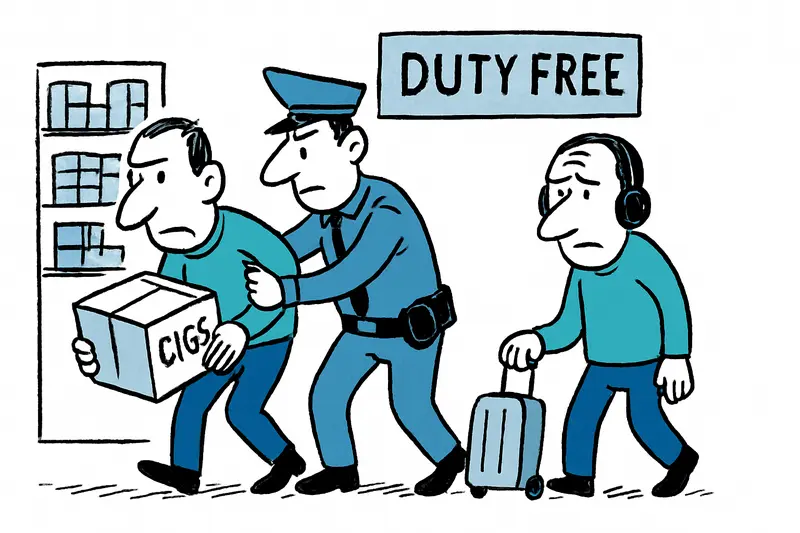
Smuggling in the secured area: How a gang exploited the duty-free zone at the airport
Two further arrests at Son Sant Joan airport: the Guardia Civil stopped a group that used cheap flight tickets to access...

Brawl at Palma Airport: When Competition Turns to Violence
In the arrivals area of Son Sant Joan a dispute between transfer service drivers escalated. One man was arrested, the vi...
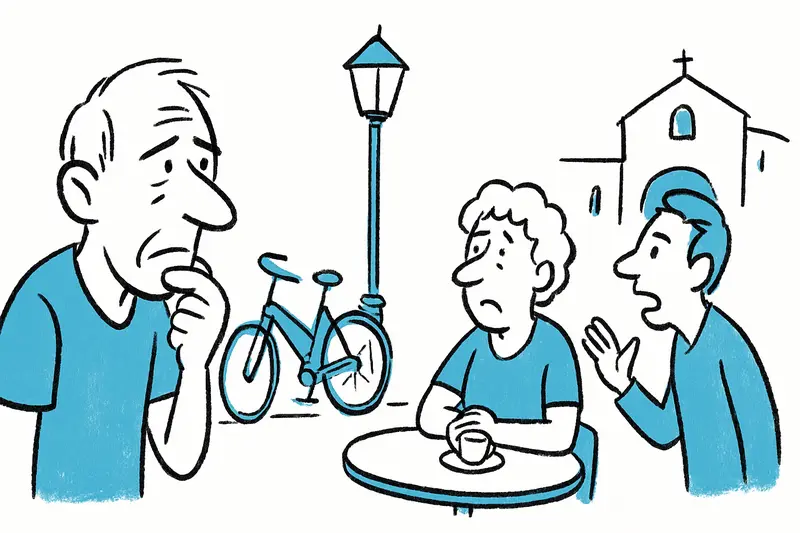
77-year-old missing in Llucmajor: Why such cases on the island must not become routine
A 77-year-old German is missing in Llucmajor. SOS Desaparecidos is searching for Reiner Schnell. A critical assessment: ...
Ham Street, Sunglasses, Cocaine: When Sales Tricks Become Dangerous
A vendor at Playa de Palma offered a pair of sunglasses — and apparently hid a small packet of cocaine. The central ques...

Dancing Instead of Complaining: The Viral Duty‑Free Artist and the Payment Gap at Palma Airport
An actor dances through the duty‑free area in Palma, goes viral — and speaks of unpaid bills. Who is responsible, and wh...
More to explore
Discover more interesting content

Can Cap de Bou

Townhouse Lleo 72
